
Add a Stylish Touch of Glass Partition to Enhance Your Space – Get In Touch With Our Experts At 020 8461 8966
 High-quality finish
 Fast turnaround times
 Stunning in-person showroom
Glass Partitions for Home & Office
Whether you’re redesigning your home, fitting out a new office or creating a more functional commercial space, glass partitions offer a stylish way to divide interiors without reducing natural light. At GH Interior Glass, we design, manufacture and install bespoke frameless and framed glass partitions across London, Kent, Surrey and Essex, delivering tailored solutions for homes, offices, retail premises and hospitality venues, with a free site survey and installation available in as little as four weeks.

Discover the Perfect Glass Partition Design for Your Space
GH Interior Glass has the perfect partitioning solution for you with our range of sliding doors. Call us on 020 8461 8966, email info@ghinteriorglass.com, or use our contact form to arrange a consultation today.
Glass Partitions for Every Space We Work In
Every property has different practical and aesthetic requirements, which is why we supply bespoke glass partitions designed around how you use your space. Whether you’re creating a dedicated home office, dividing an open-plan workplace or improving customer flow within a retail environment, our systems combine functionality with a clean, contemporary appearance. Available in framed and frameless designs, our glass partition walls can incorporate doors, acoustic glazing and custom finishes to complement your interior.
Glass Partitions for Homes
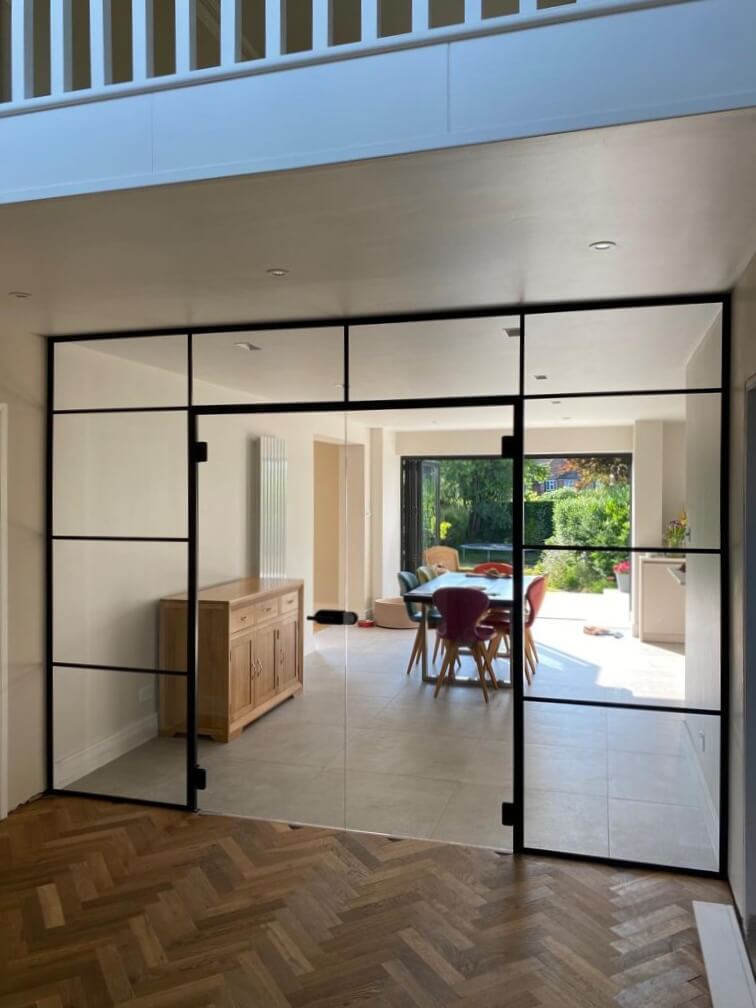
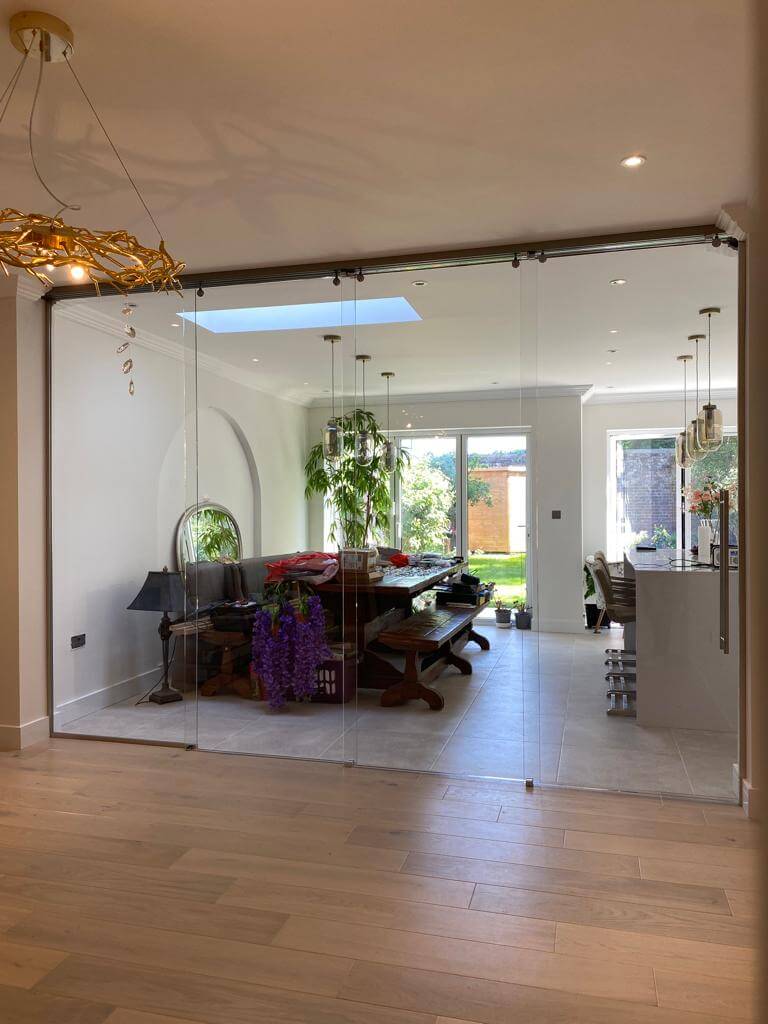
Glass partitions help homeowners create flexible living spaces without sacrificing daylight. They’re ideal for home offices, open-plan kitchen-diners, snug areas, dressing rooms and stairwells where you want separation while maintaining an open feel. Our glass partitions for home are manufactured to suit your property’s layout and interior style, creating practical spaces that feel bright and spacious.
Glass Office Partitions
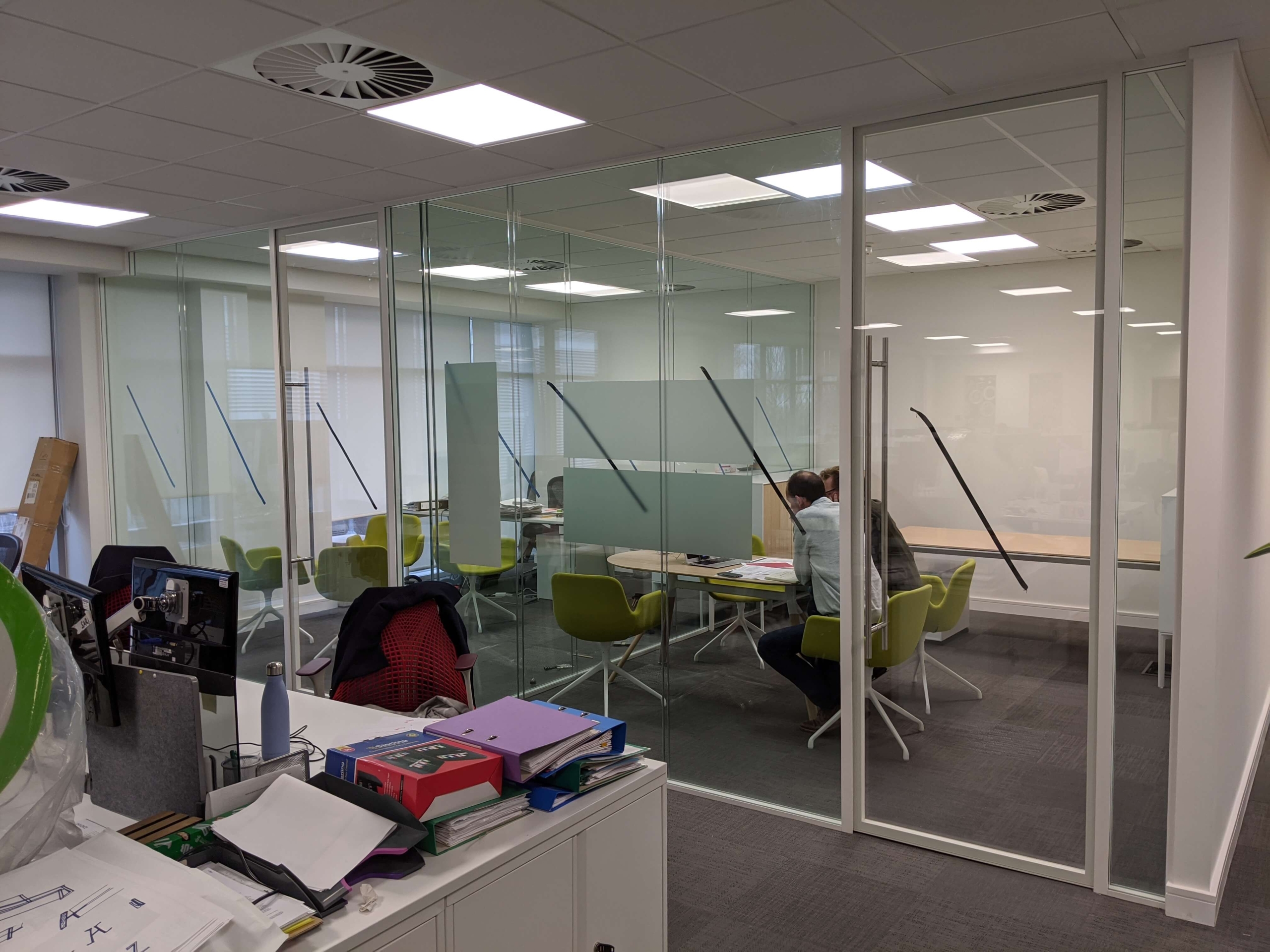
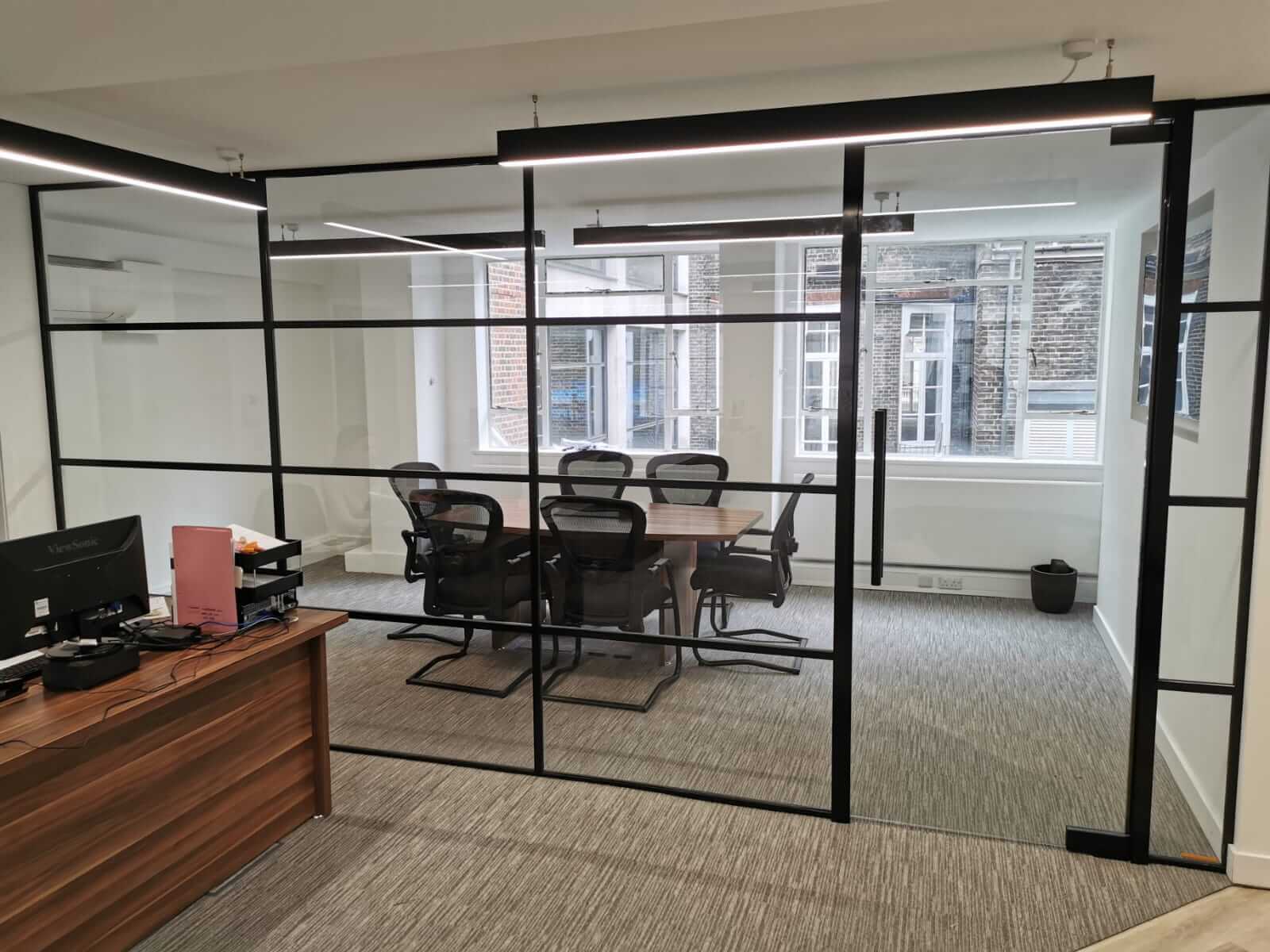
Modern workplaces need adaptable layouts that encourage collaboration while providing areas for focused work. Our glass office partitions create private offices, meeting rooms, executive suites and breakout spaces without making the office feel enclosed. Frameless systems maximise natural light, while acoustic glazing helps reduce noise between workspaces.
If you’re looking for completely seamless designs, explore our frameless glass partitions, which create contemporary office environments with minimal visible framework.
Retail Spaces
Retail environments benefit from clearly defined spaces while maintaining visibility across the shop floor. Glass partitions are commonly used to create changing rooms, consultation areas, display sections and internal shopfront divisions, giving customers a premium experience without compromising the openness of the store.
Hospitality Venues
Hotels, restaurants, cafés and leisure venues often require flexible space planning. Glass partitions can divide dining areas, private function rooms, reception spaces and meeting facilities while preserving natural light and creating an inviting atmosphere. They also provide a practical solution where adaptable layouts are needed for different events or customer requirements.
For projects requiring sliding systems, we also install internal glass sliding doors, providing a practical solution where space-saving access is important.
The Glass Partition Options We Install
Every project is different, which is why we offer a range of glass partition walls to suit residential, commercial and retail environments. From minimalist frameless systems to specialist acoustic and fire-rated installations, every partition is manufactured to your specification and professionally installed by our experienced team. We’ll help you choose the right glazing, fittings and finish based on how the space will be used, your design preferences and any building regulation requirements.
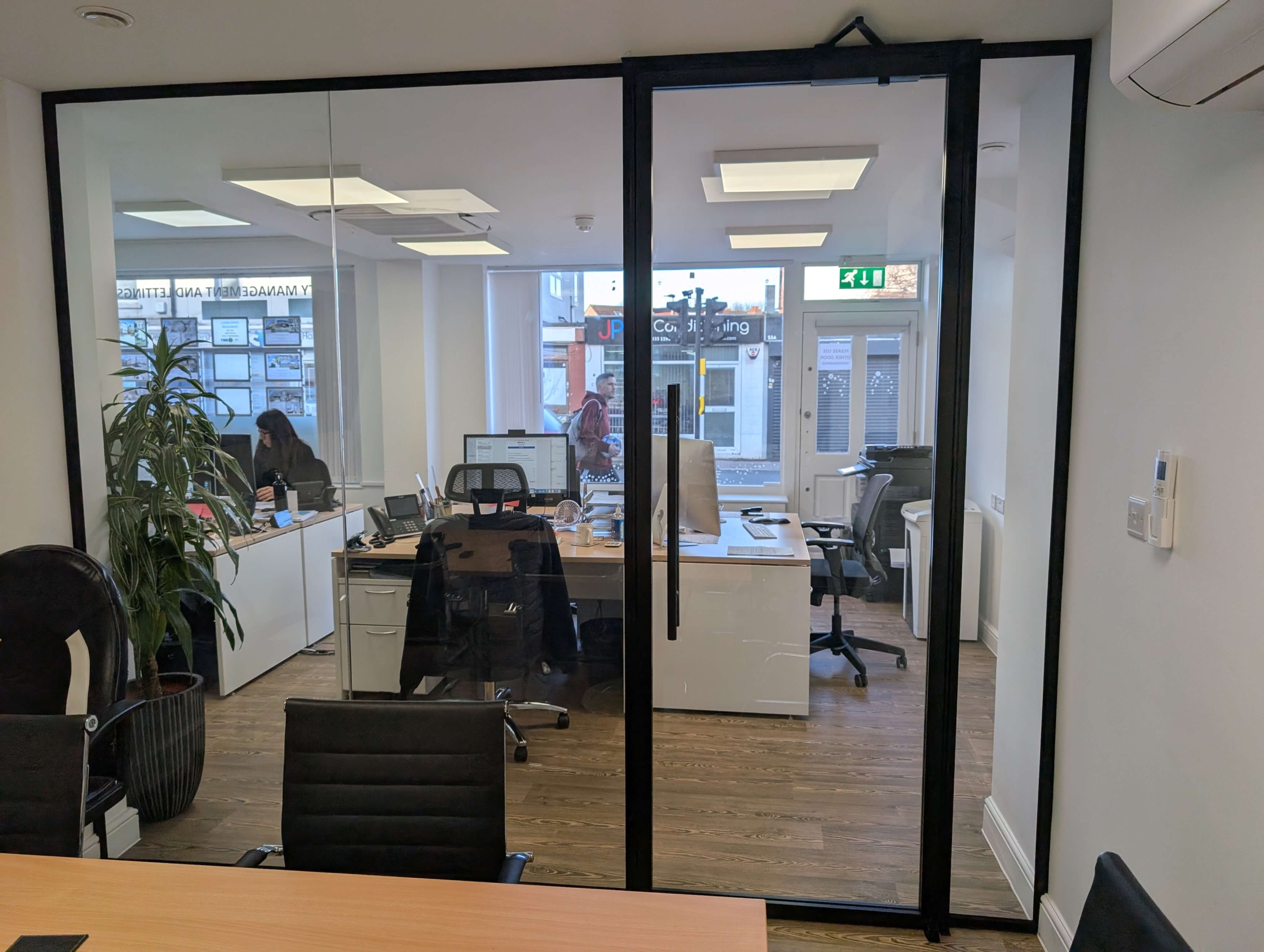
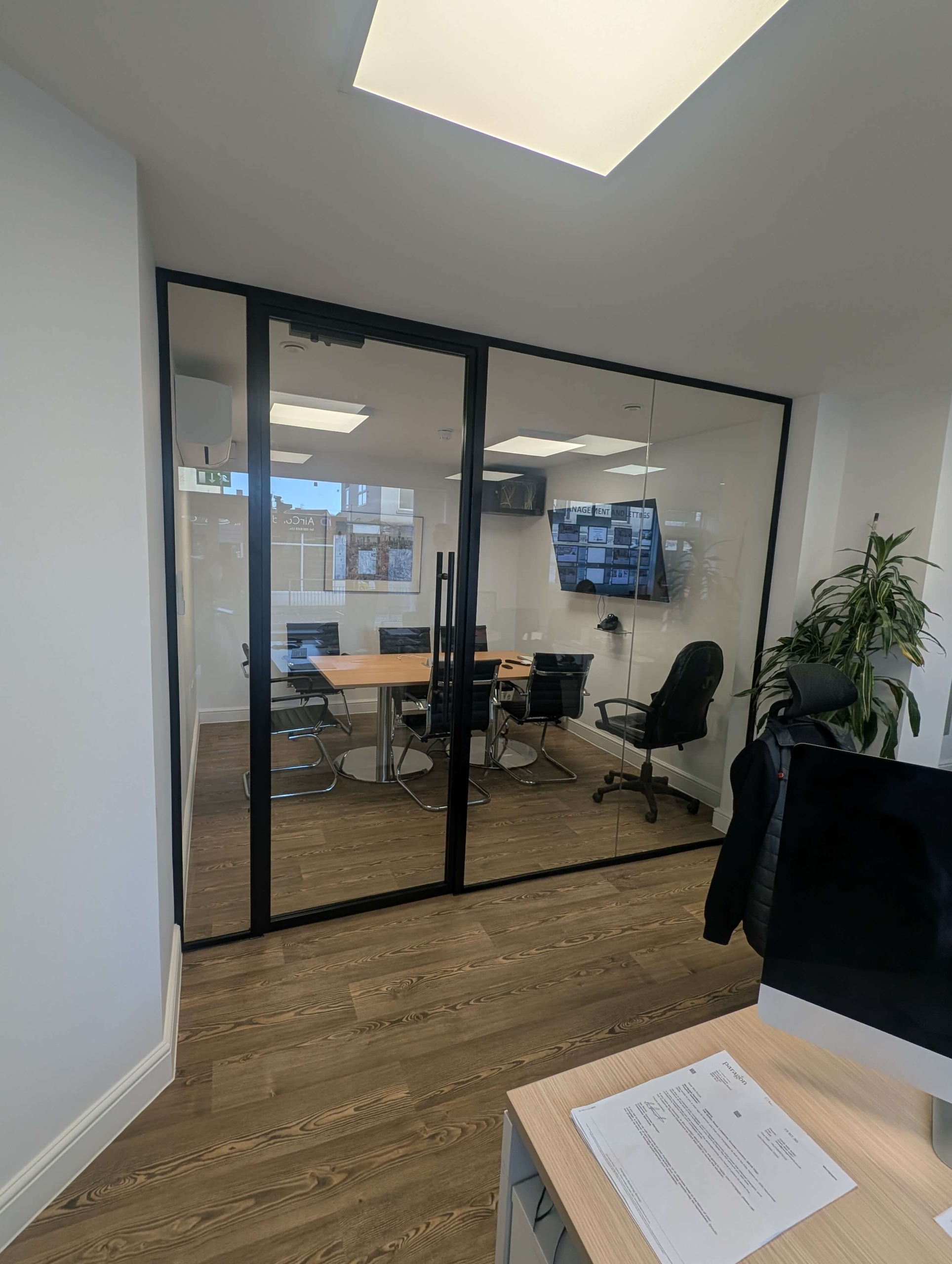
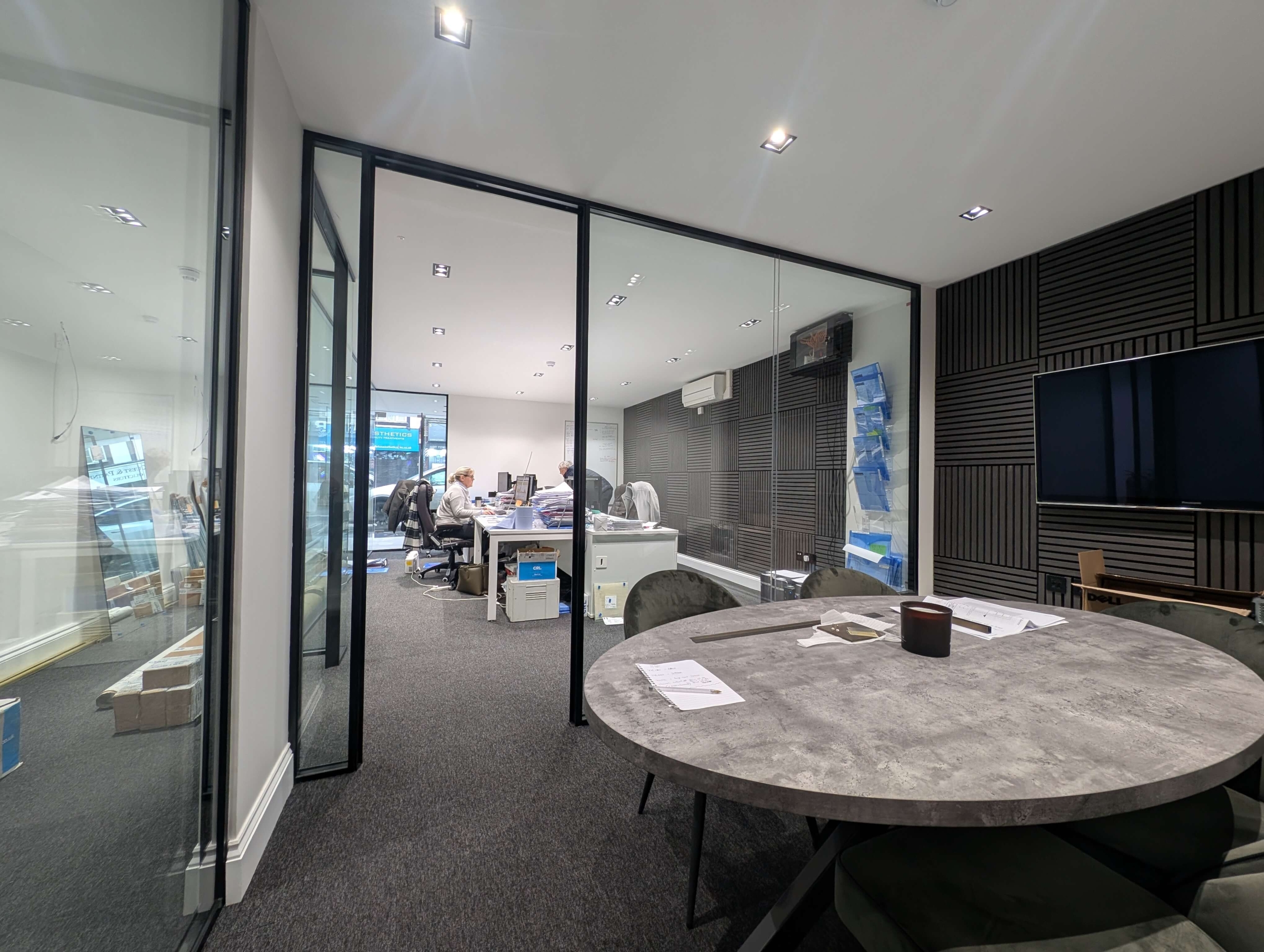
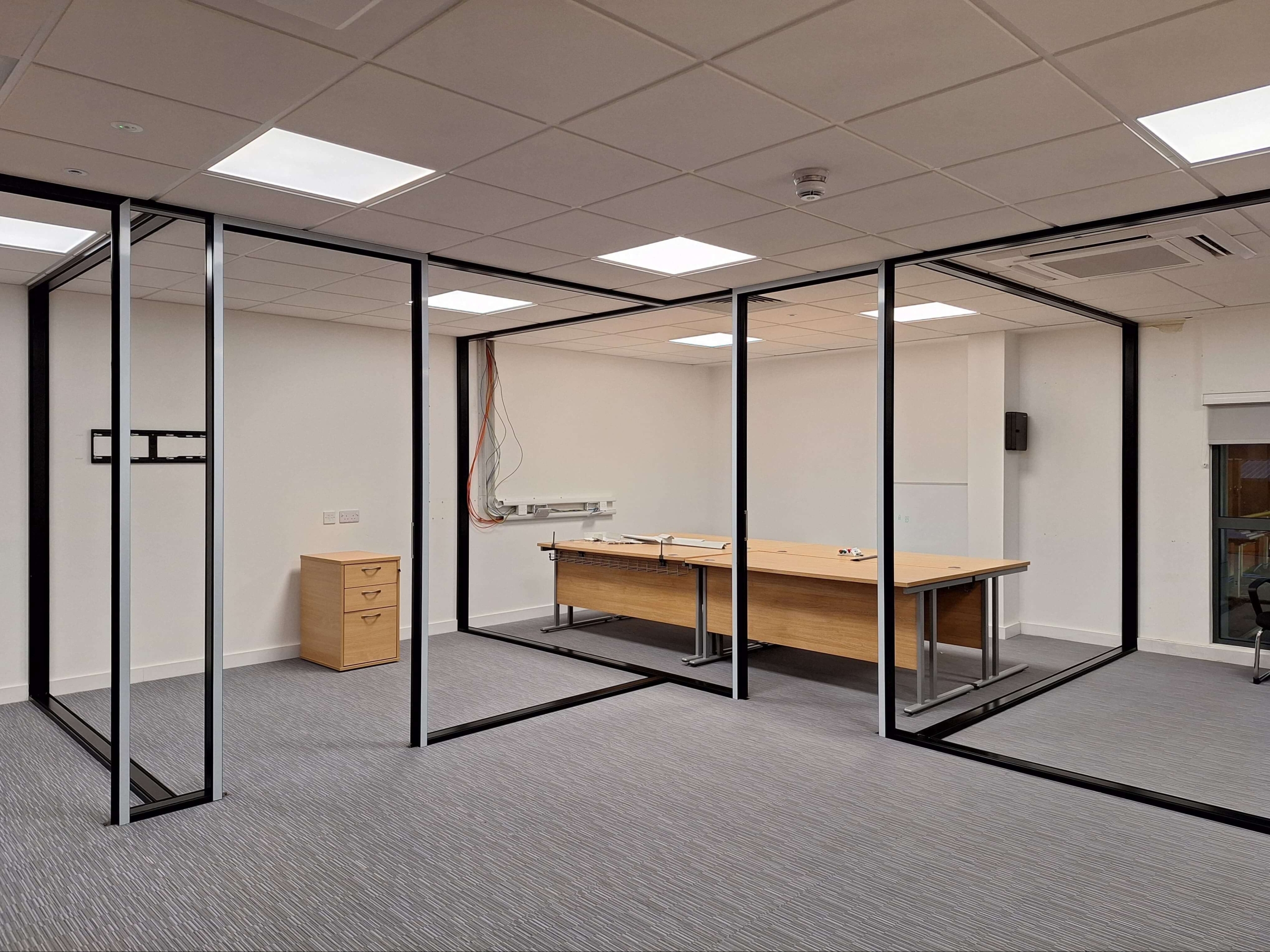
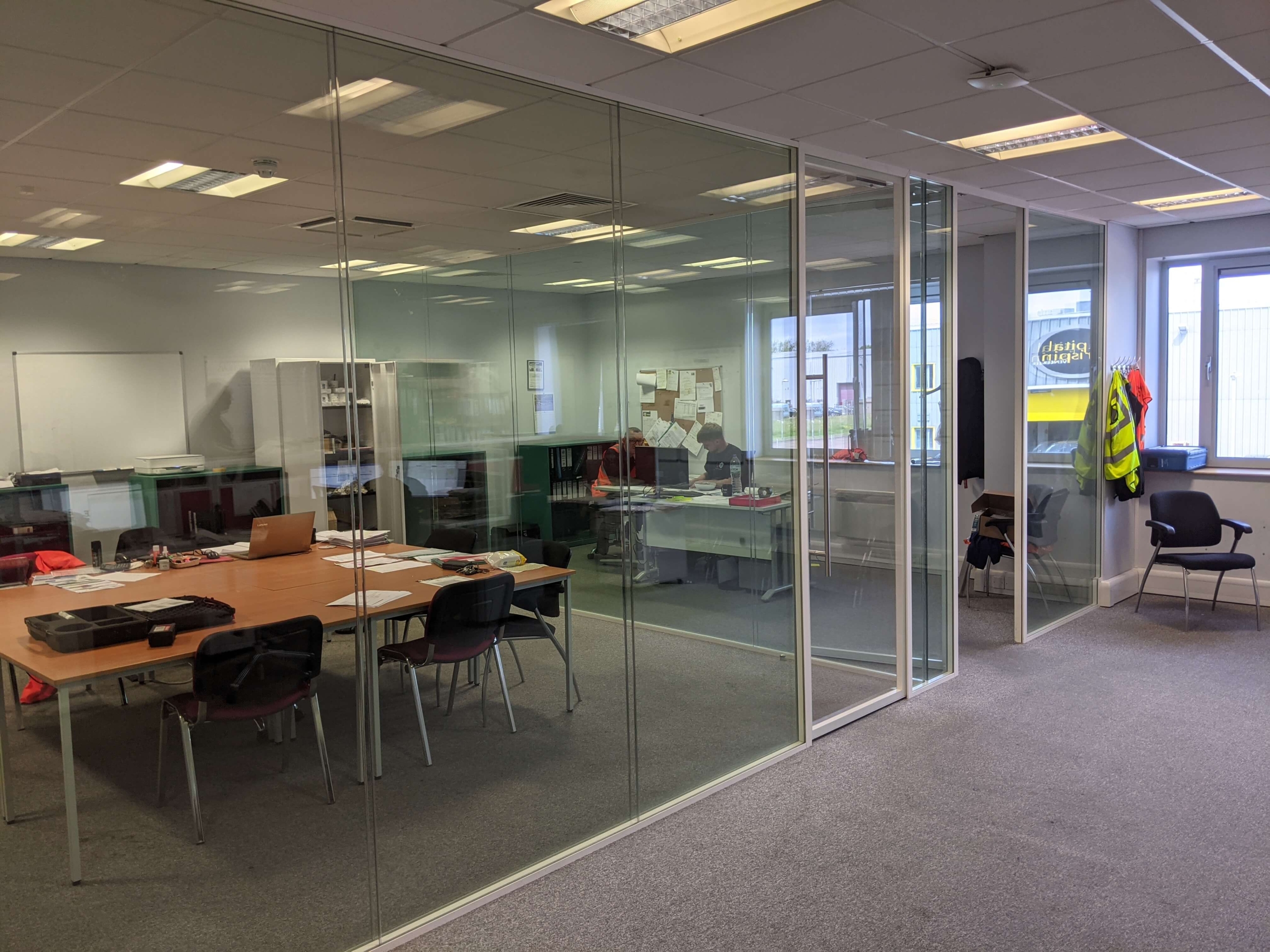
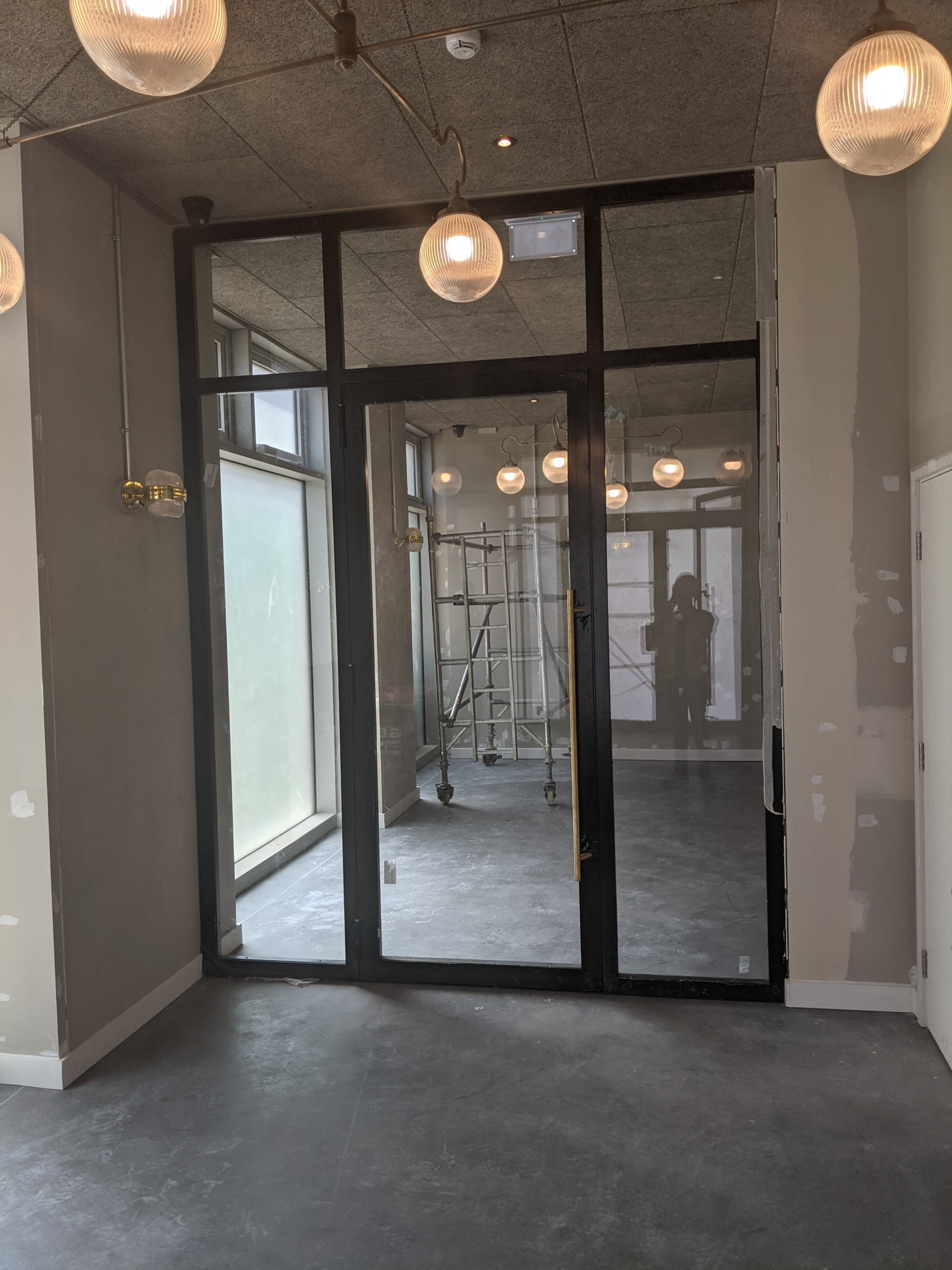
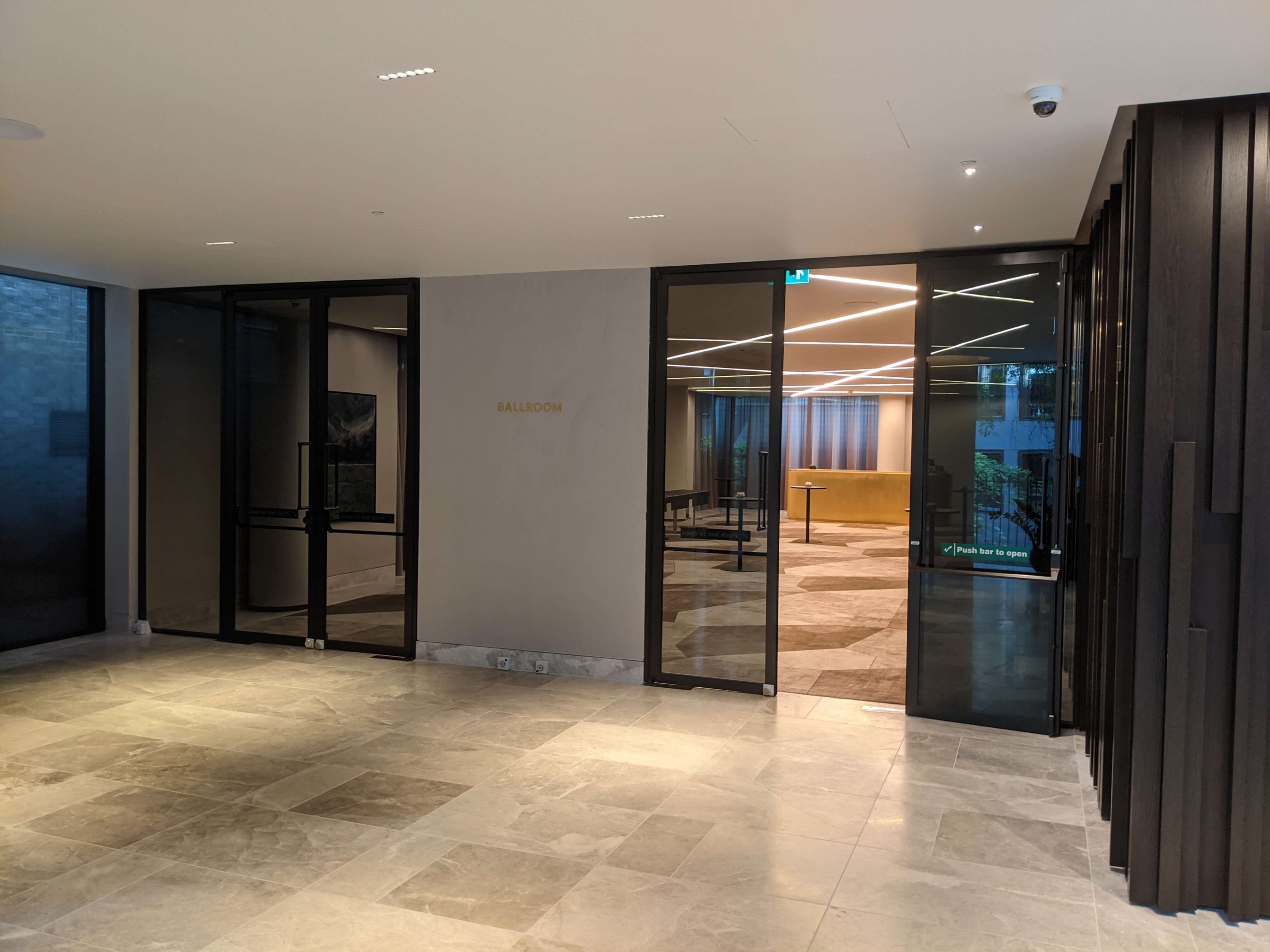
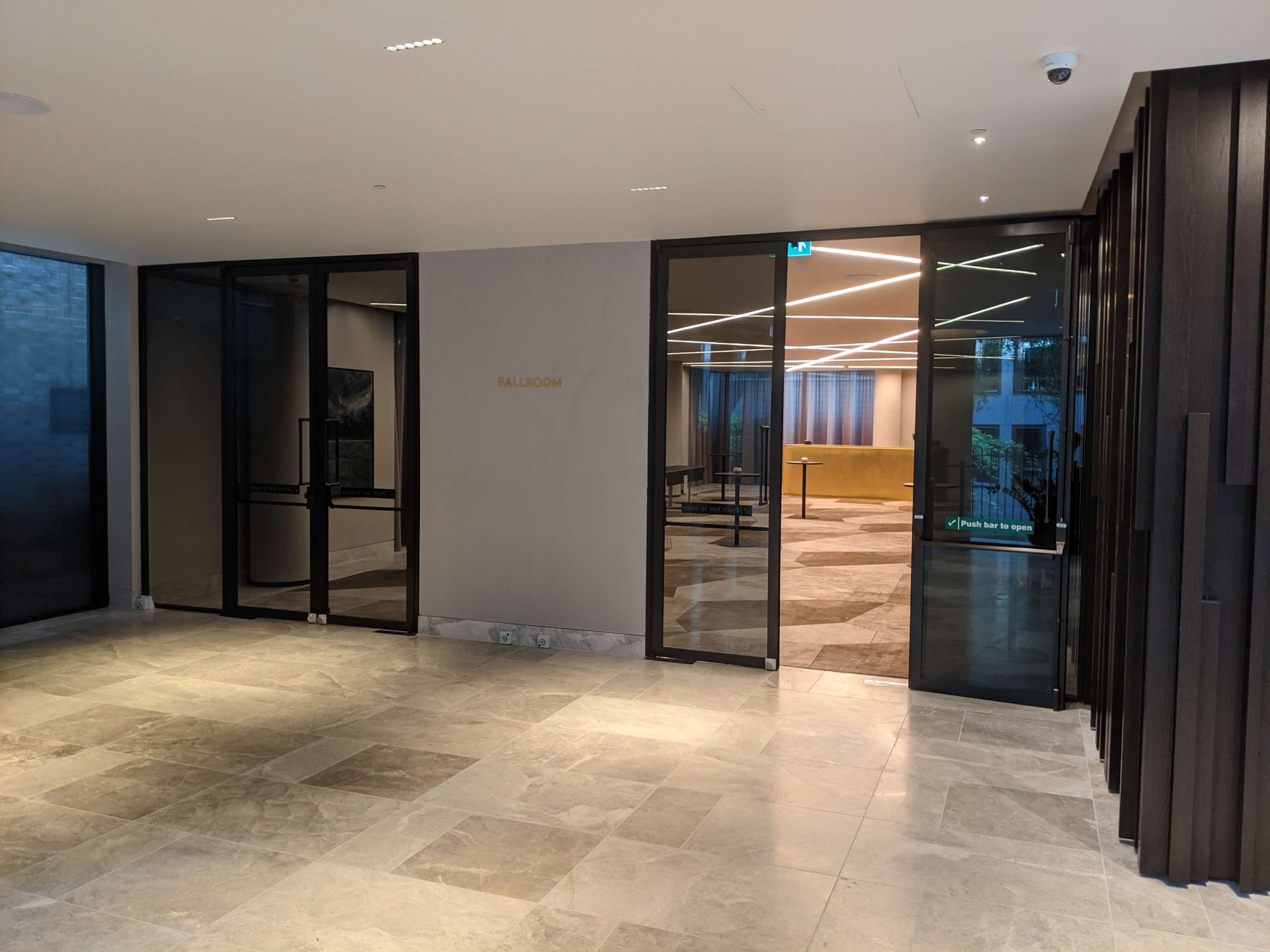
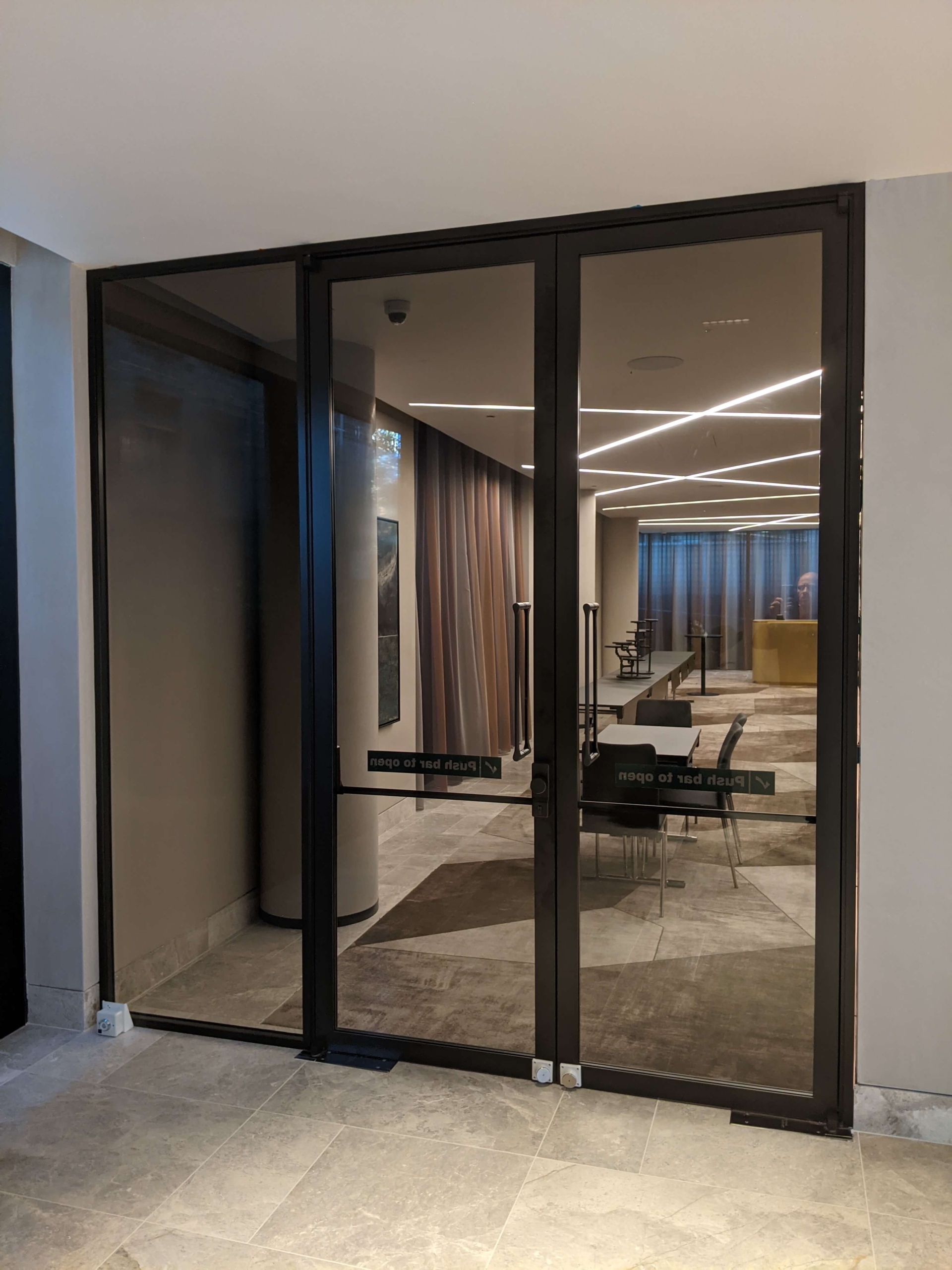
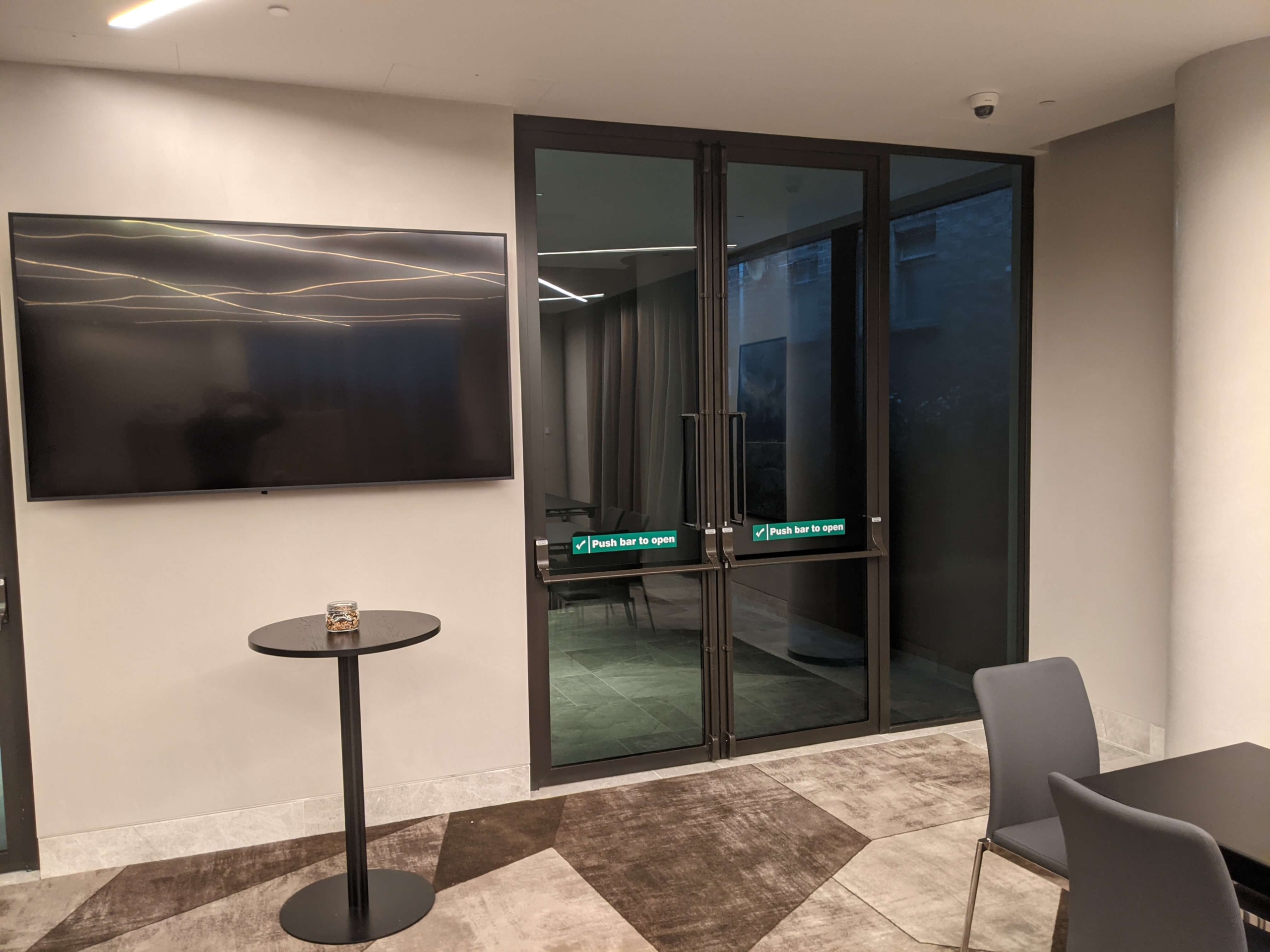
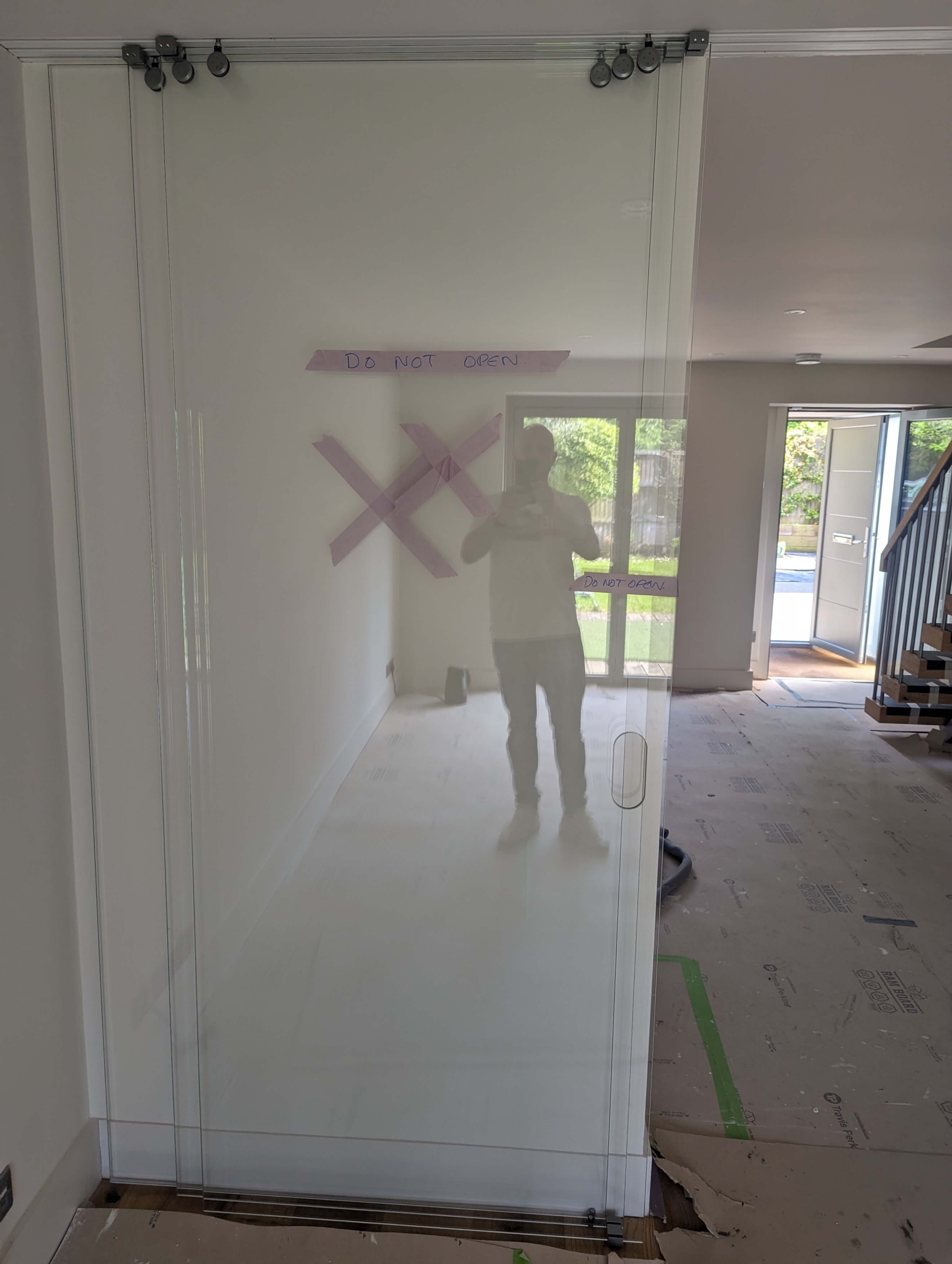
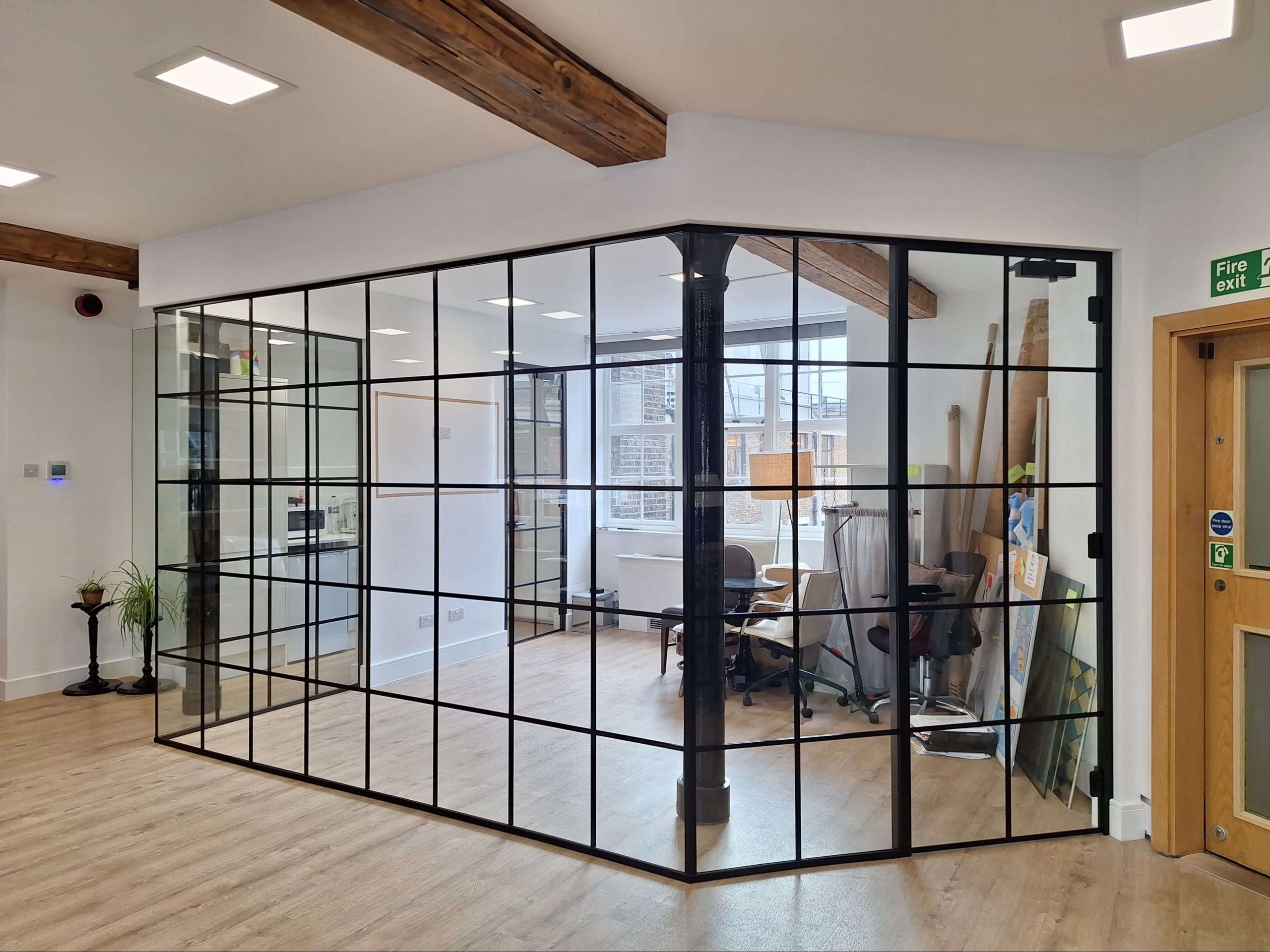
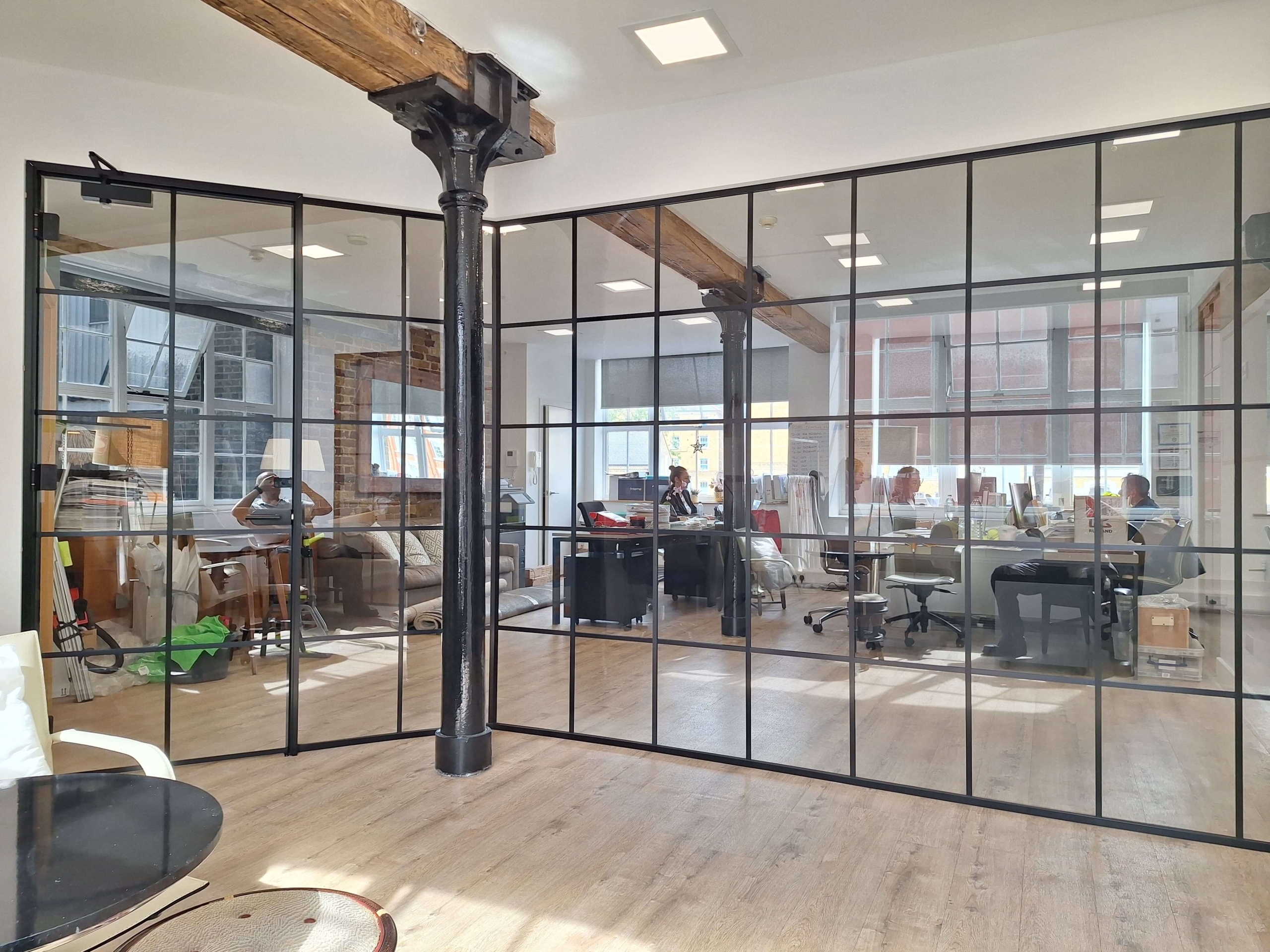
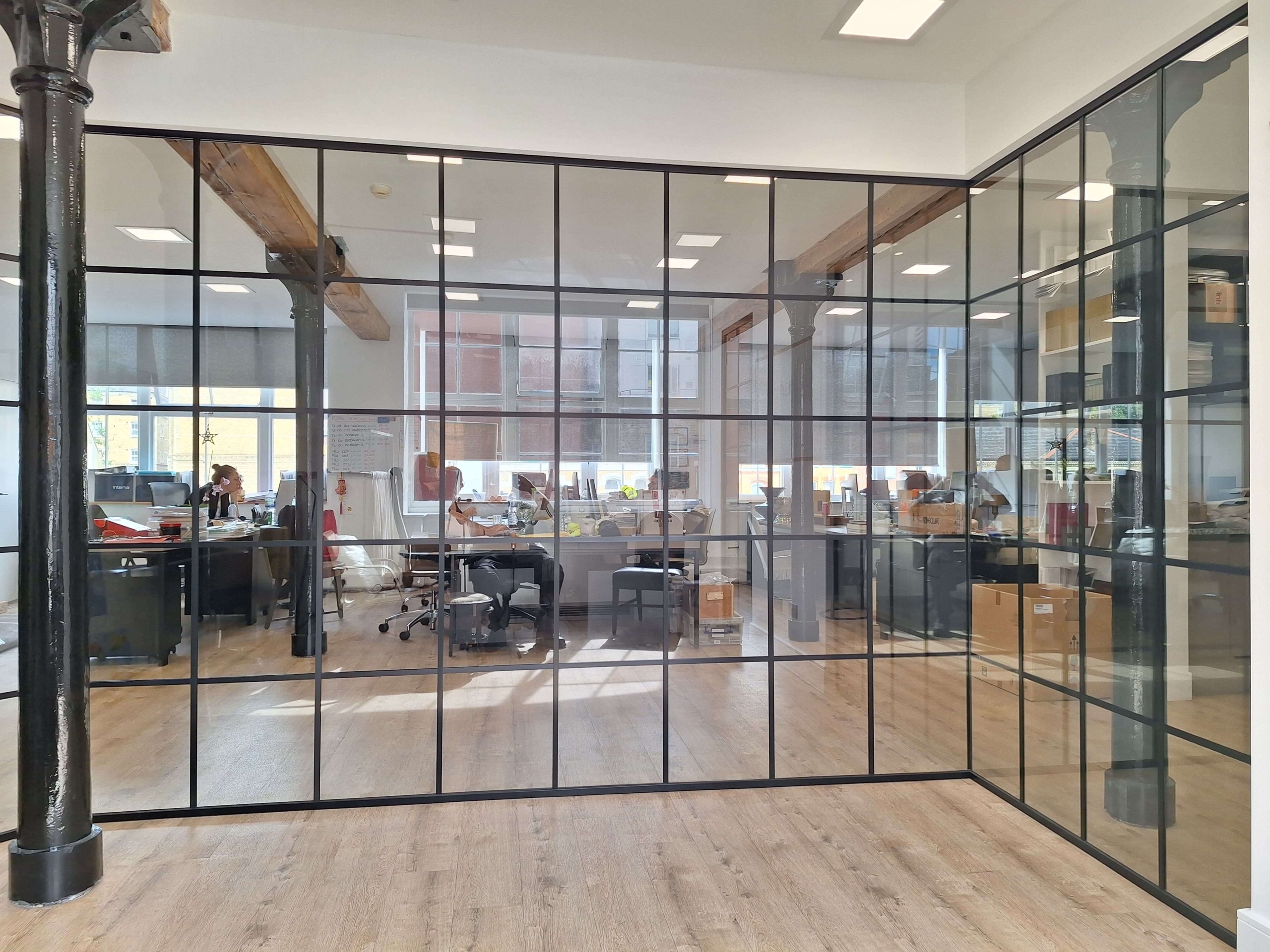
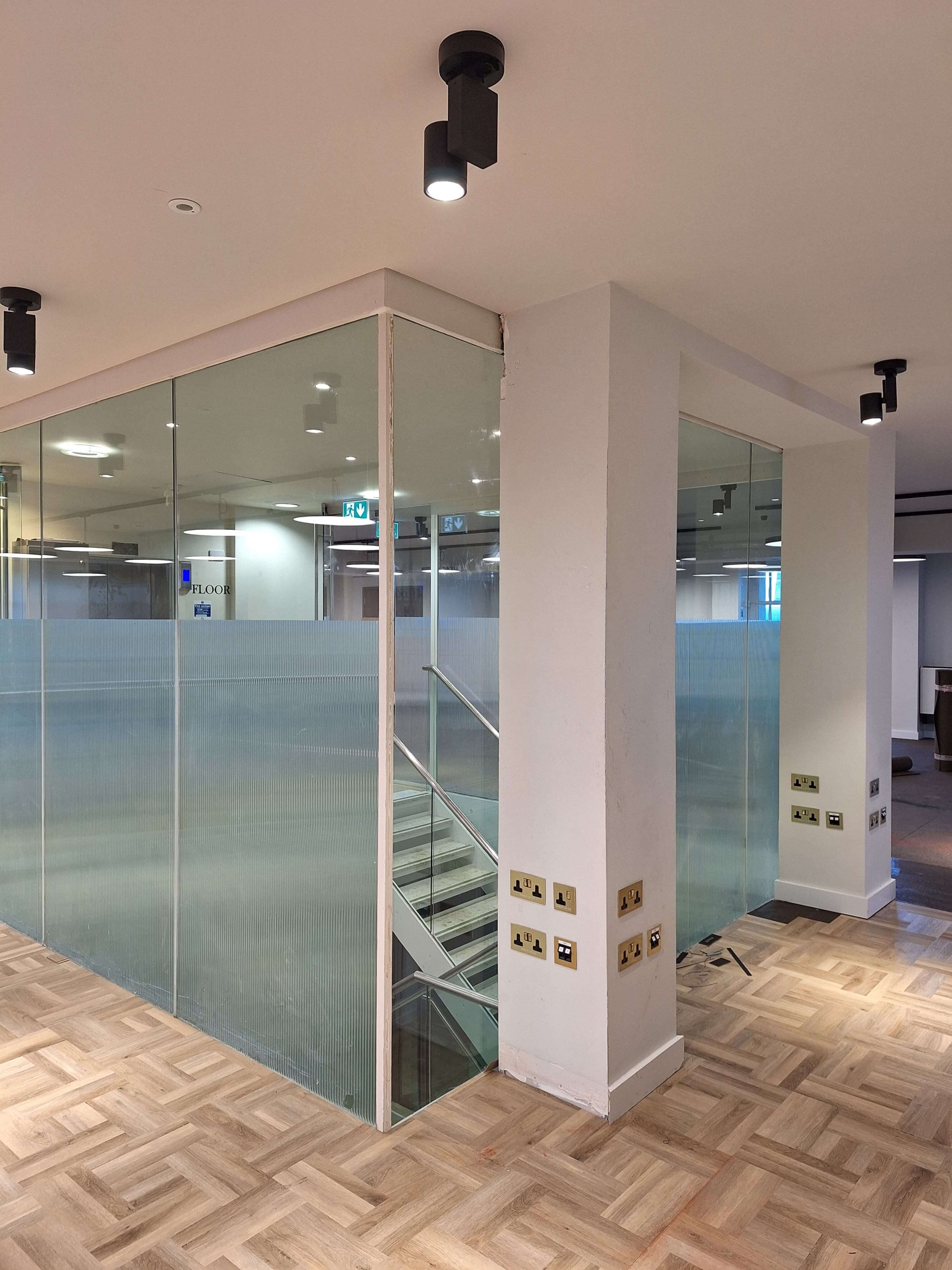
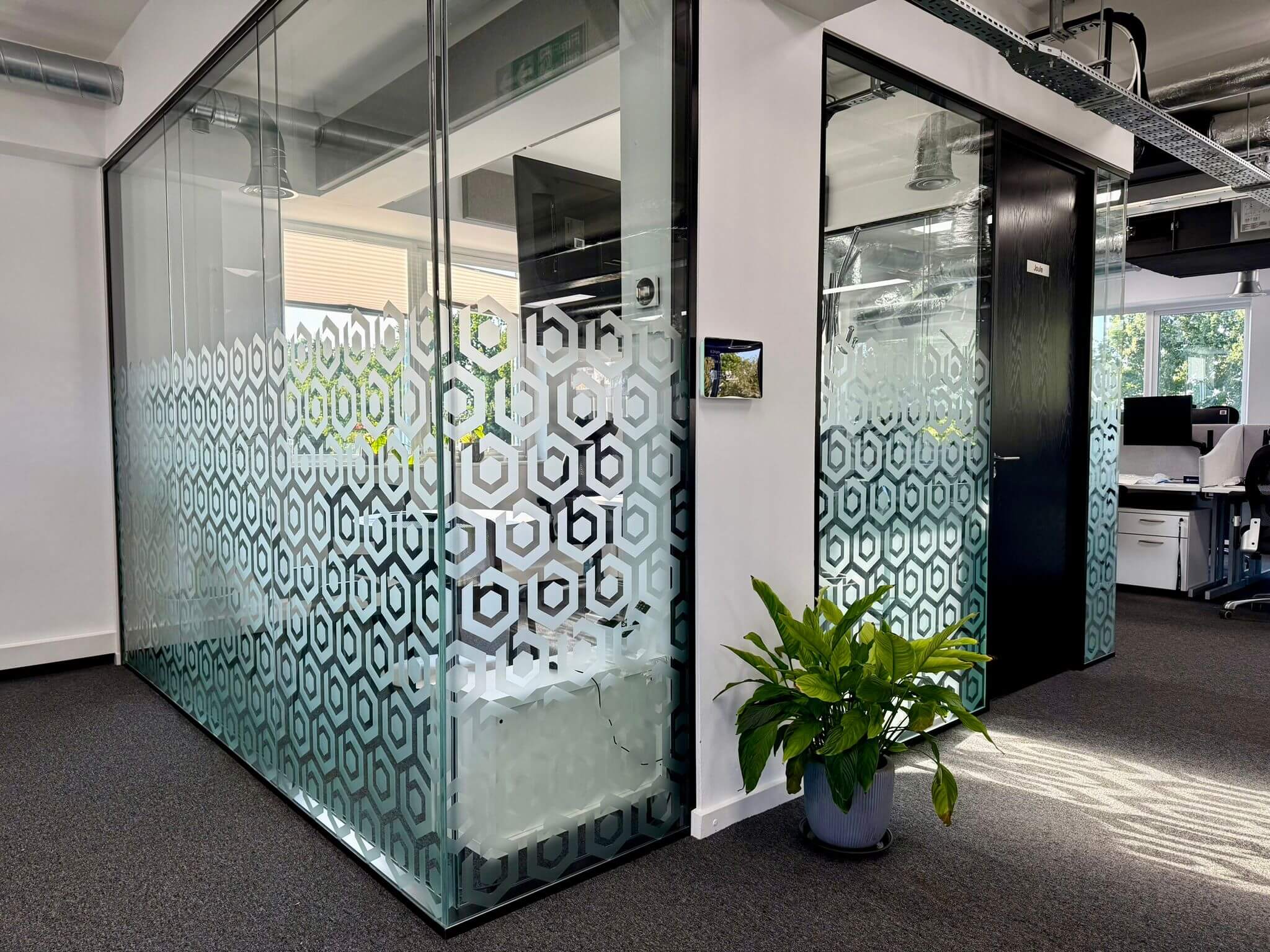
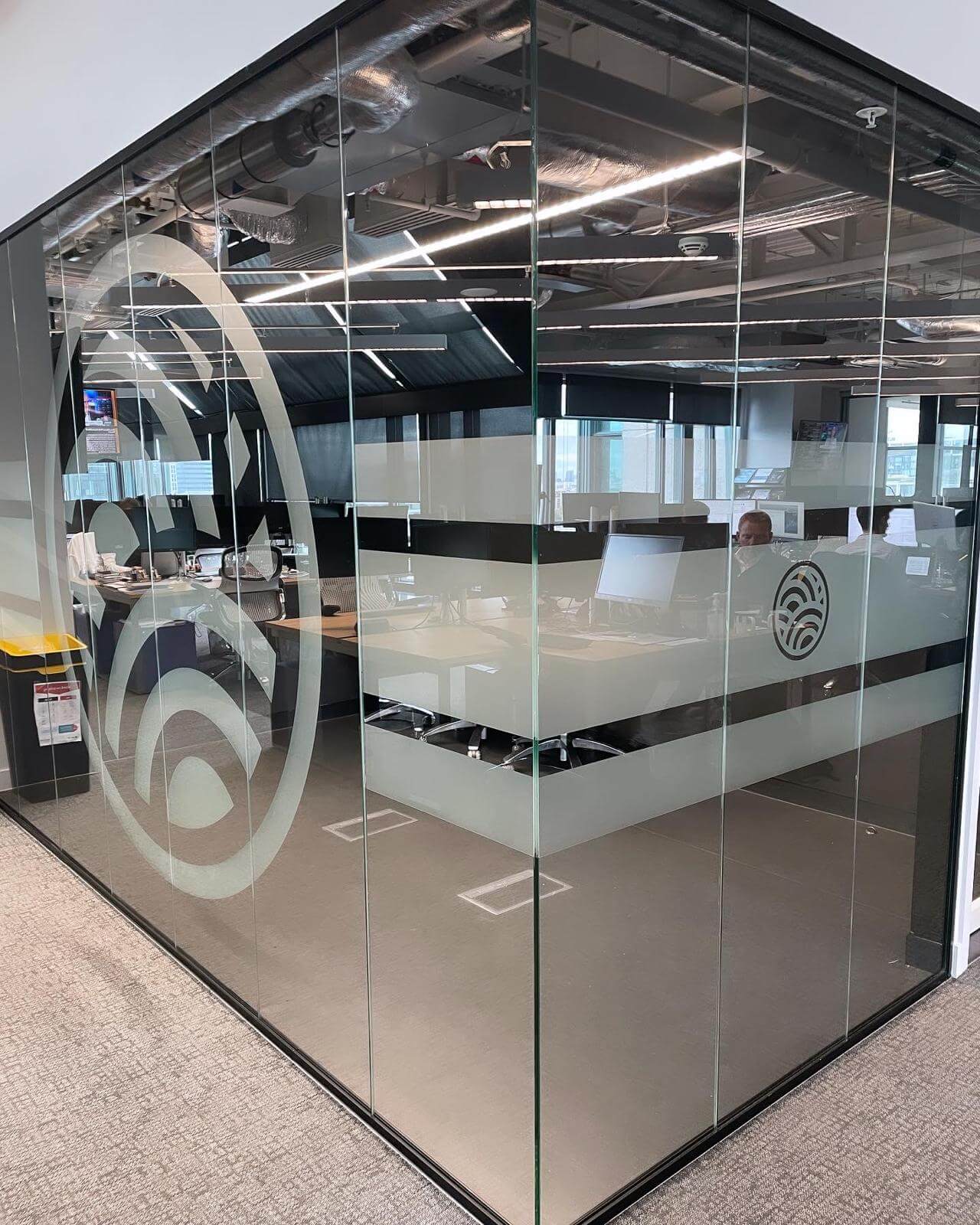
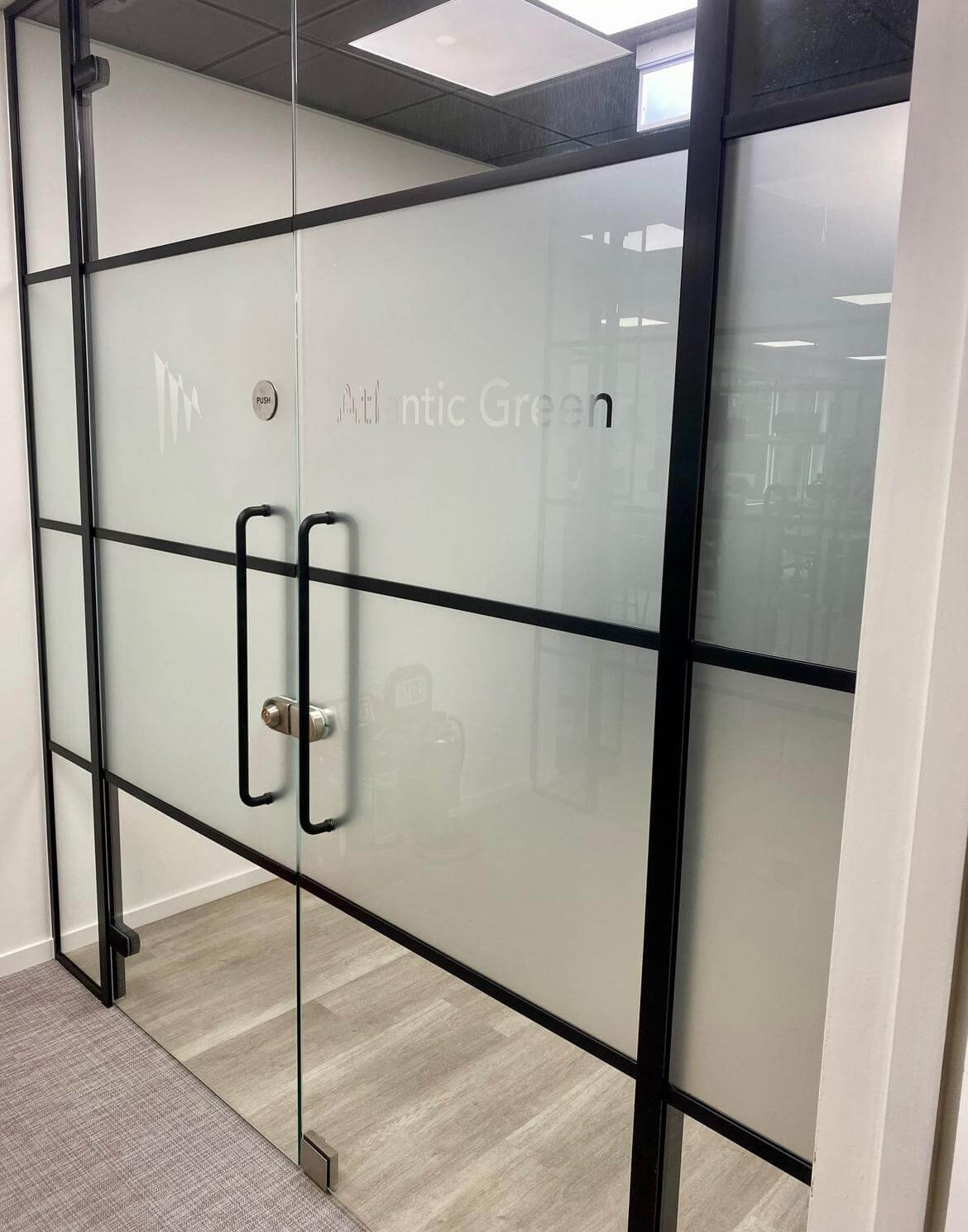
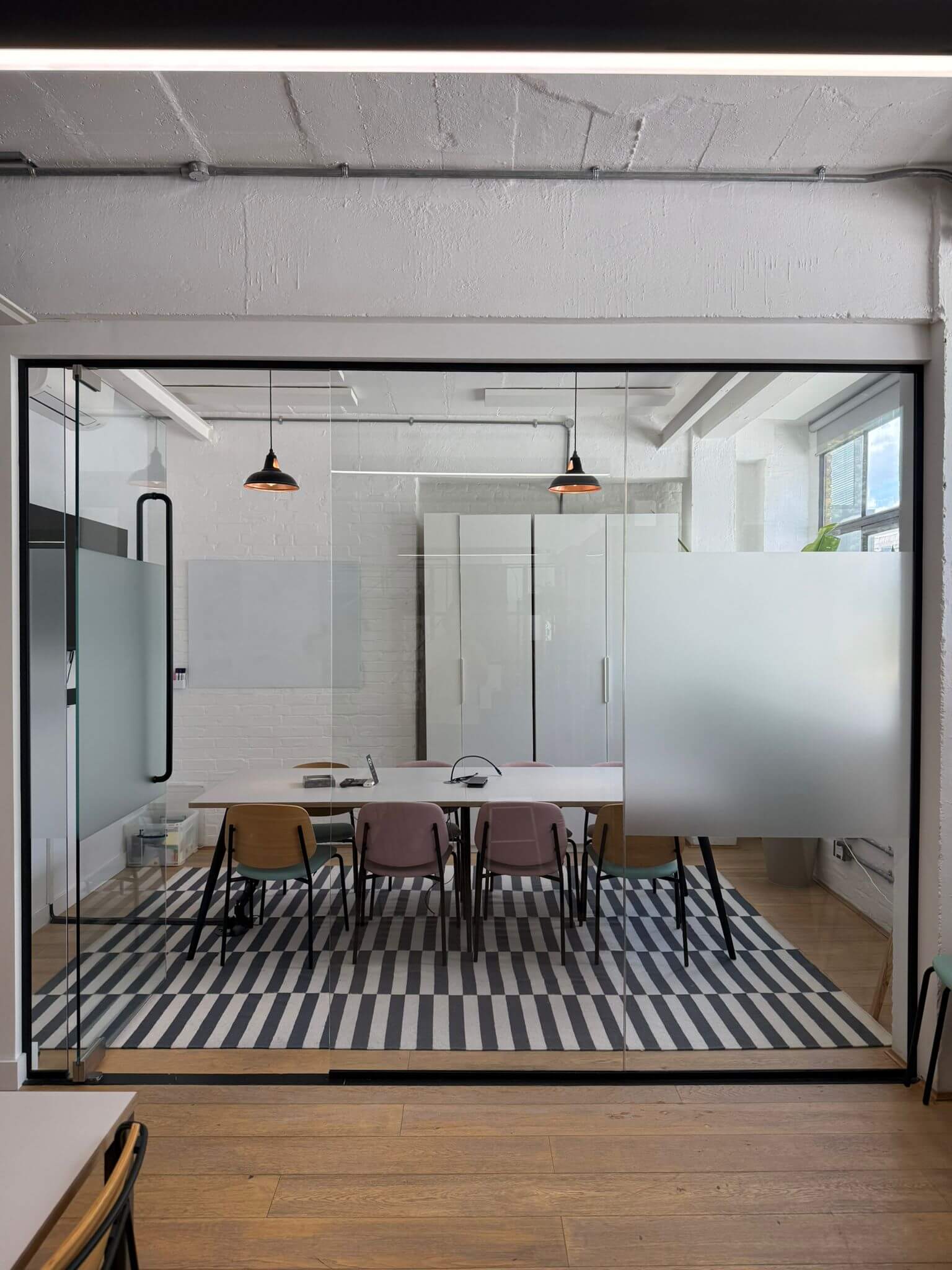
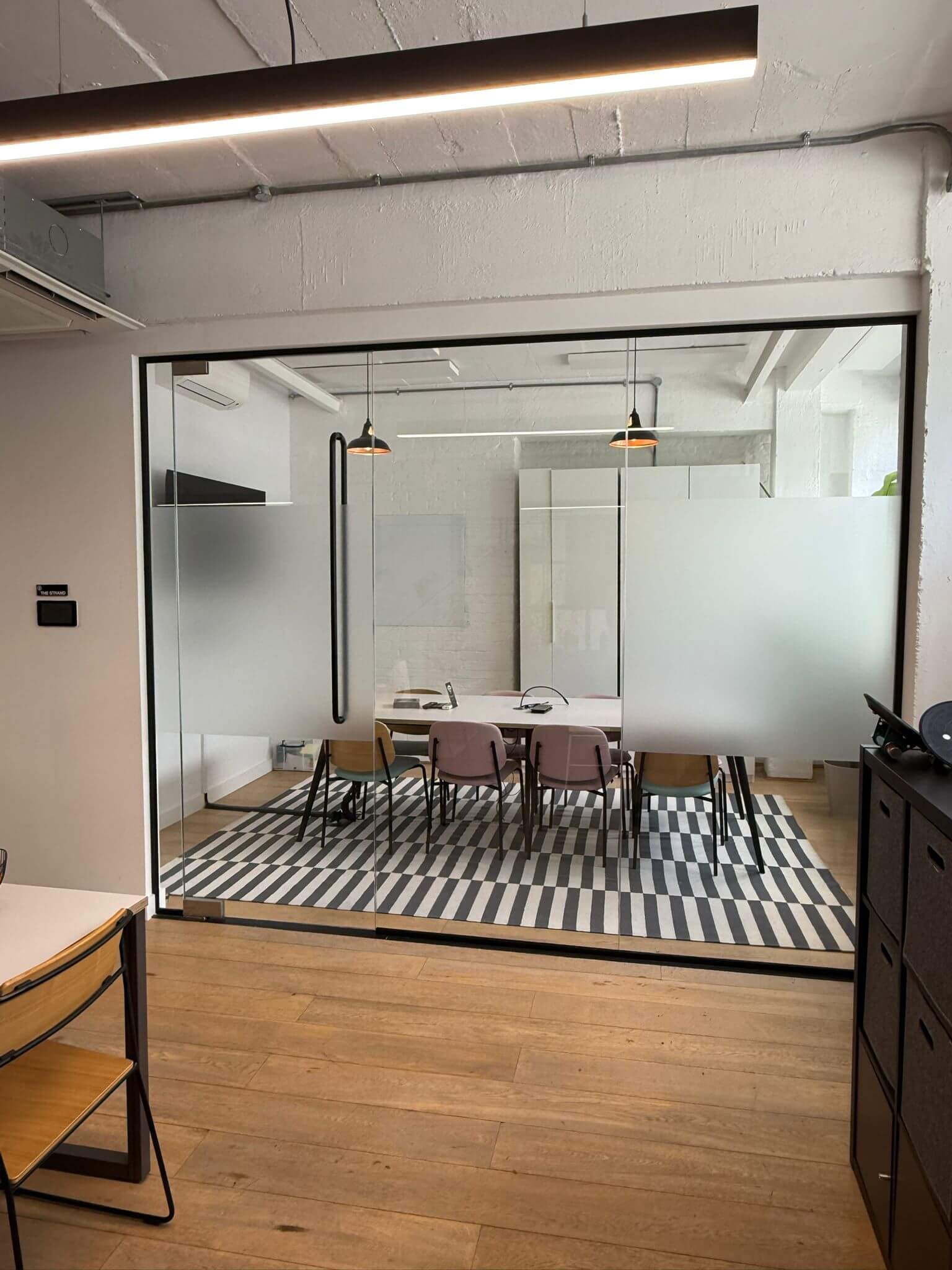
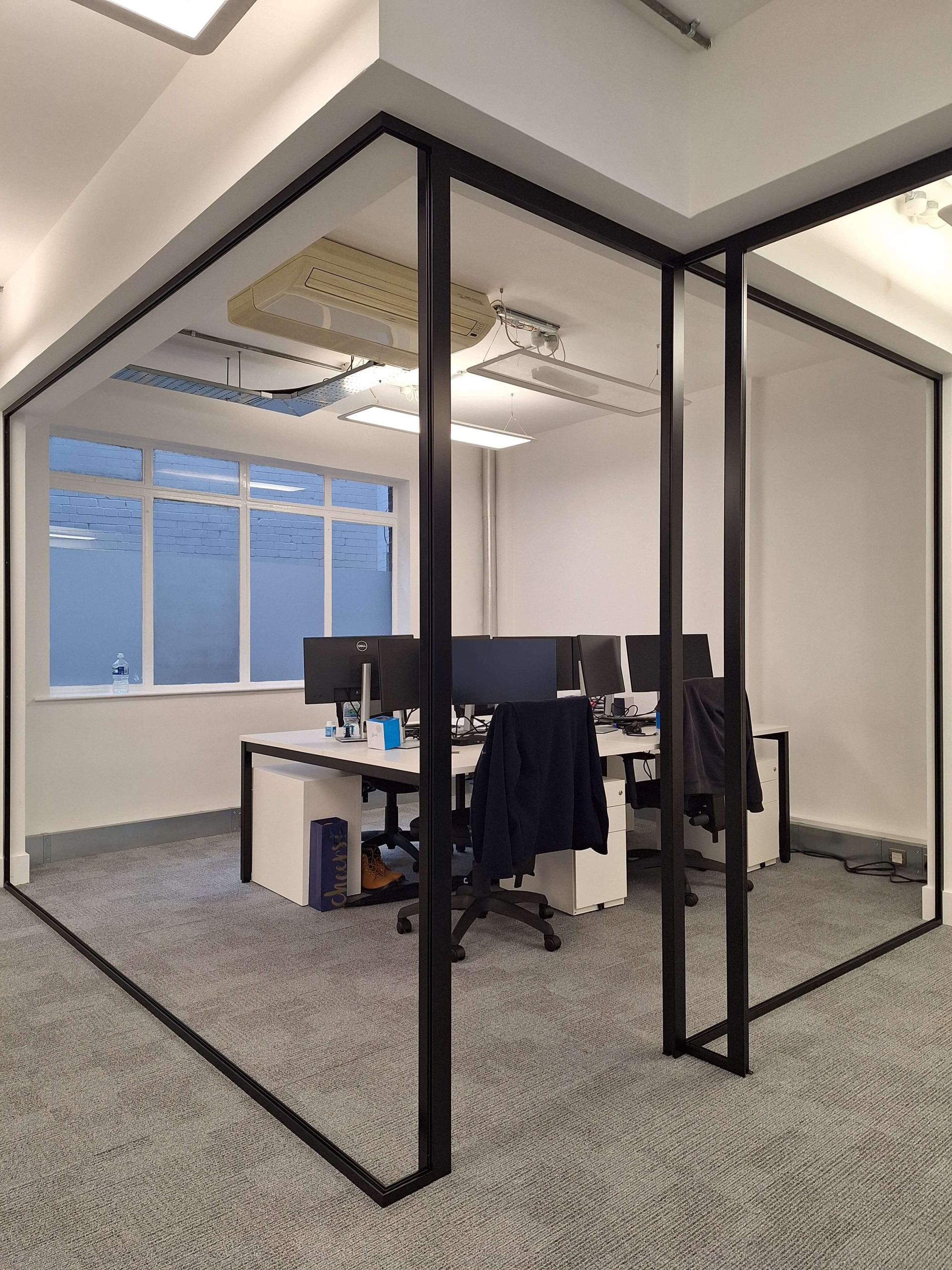
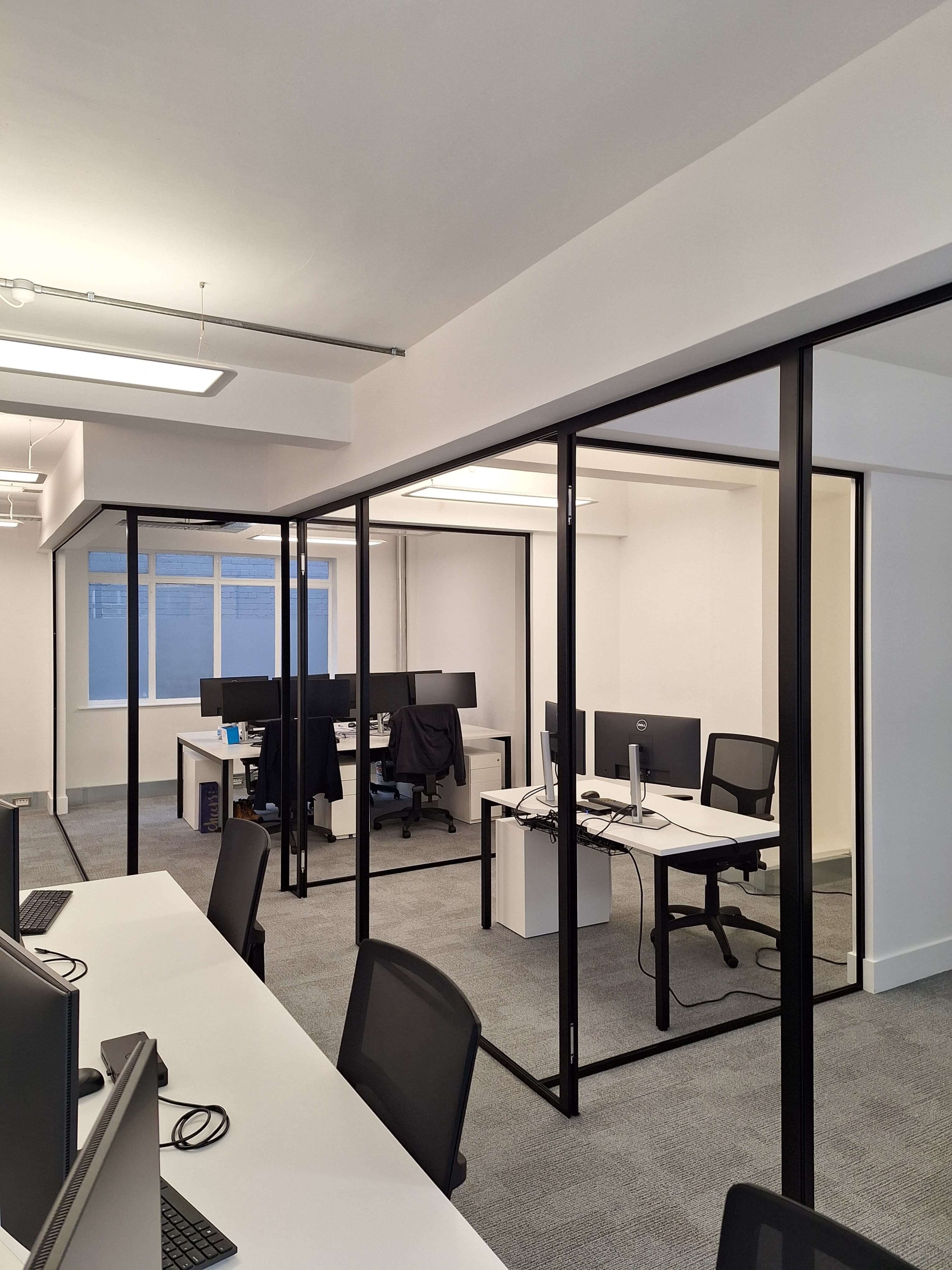
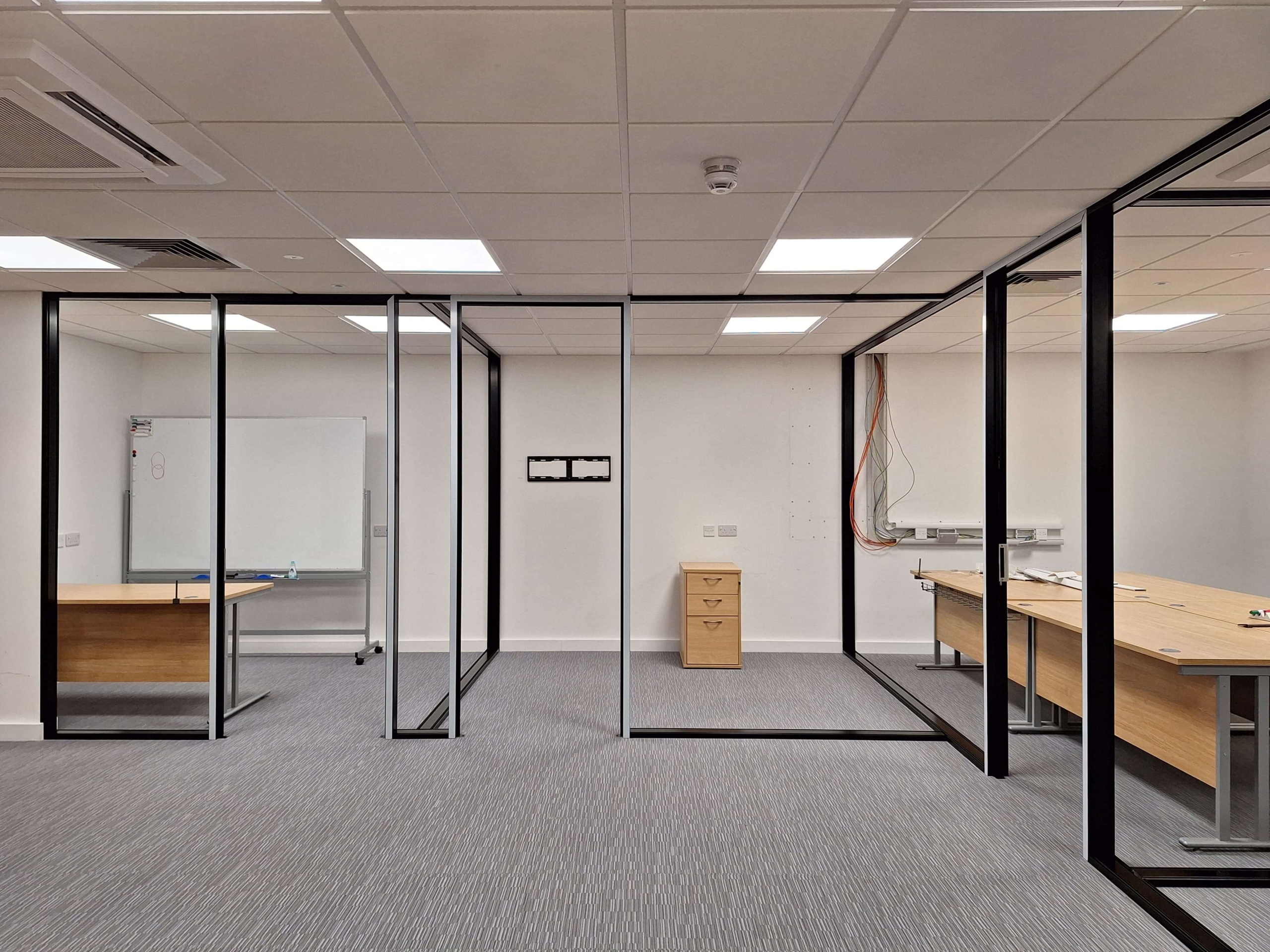
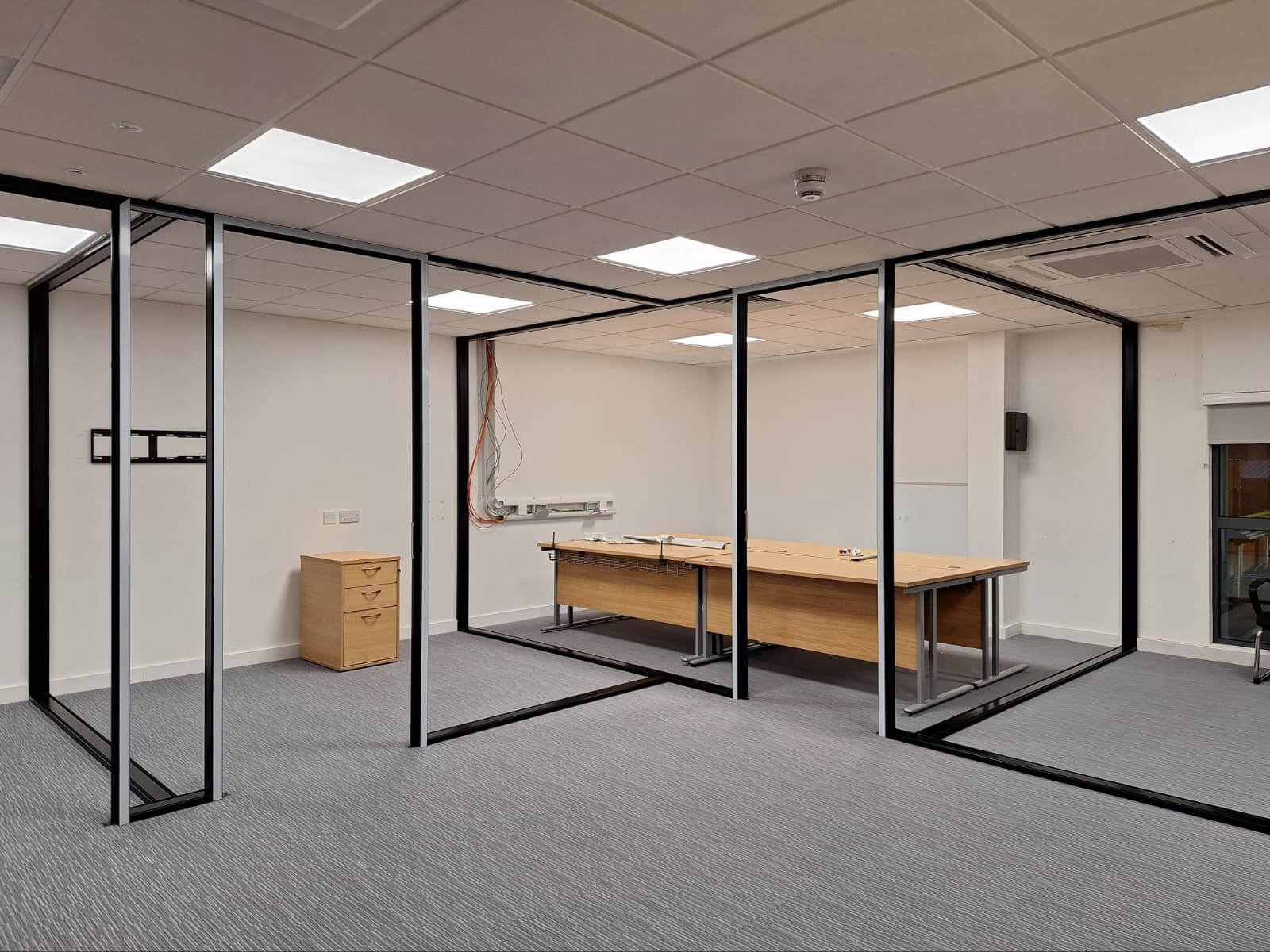
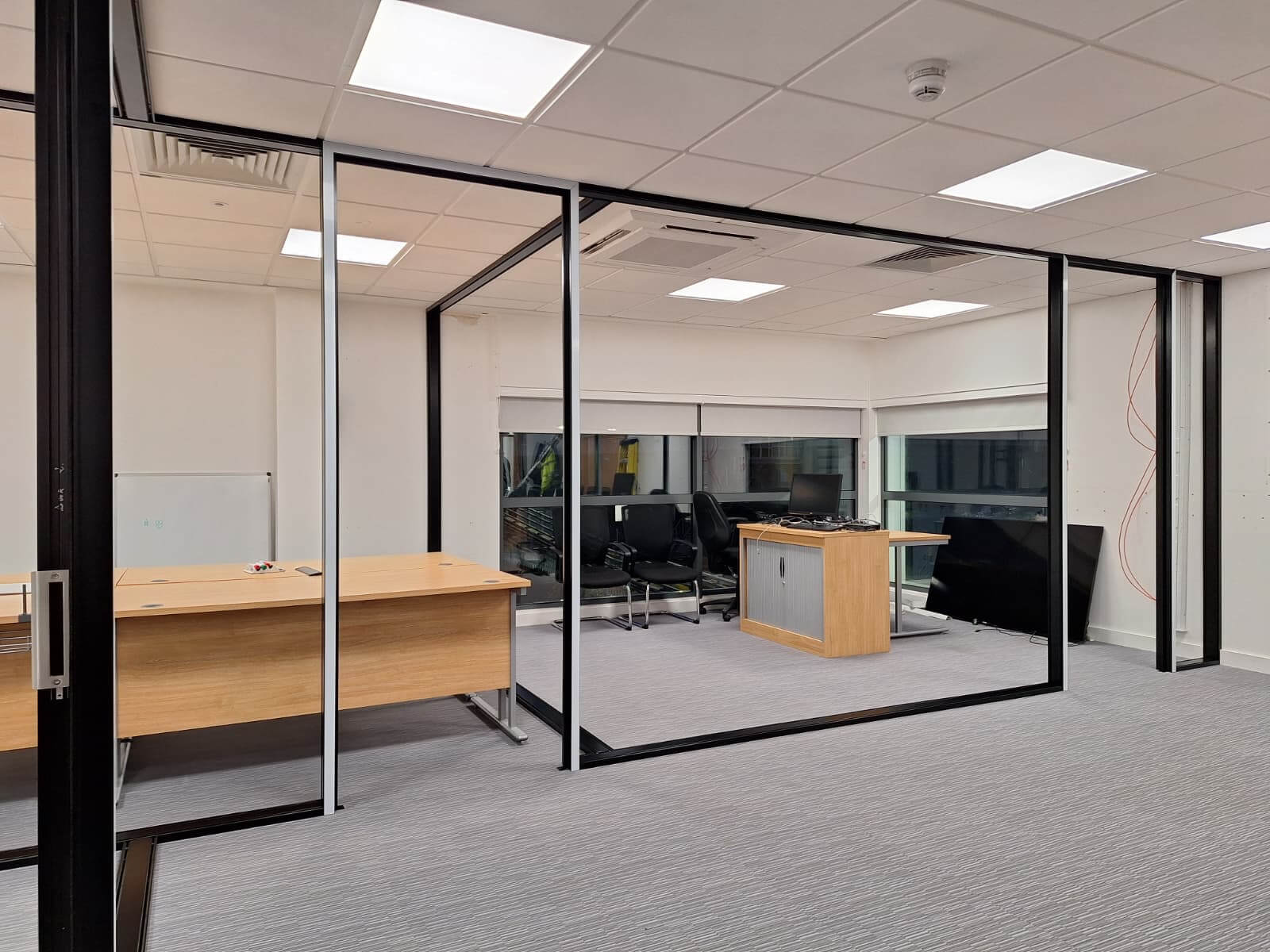
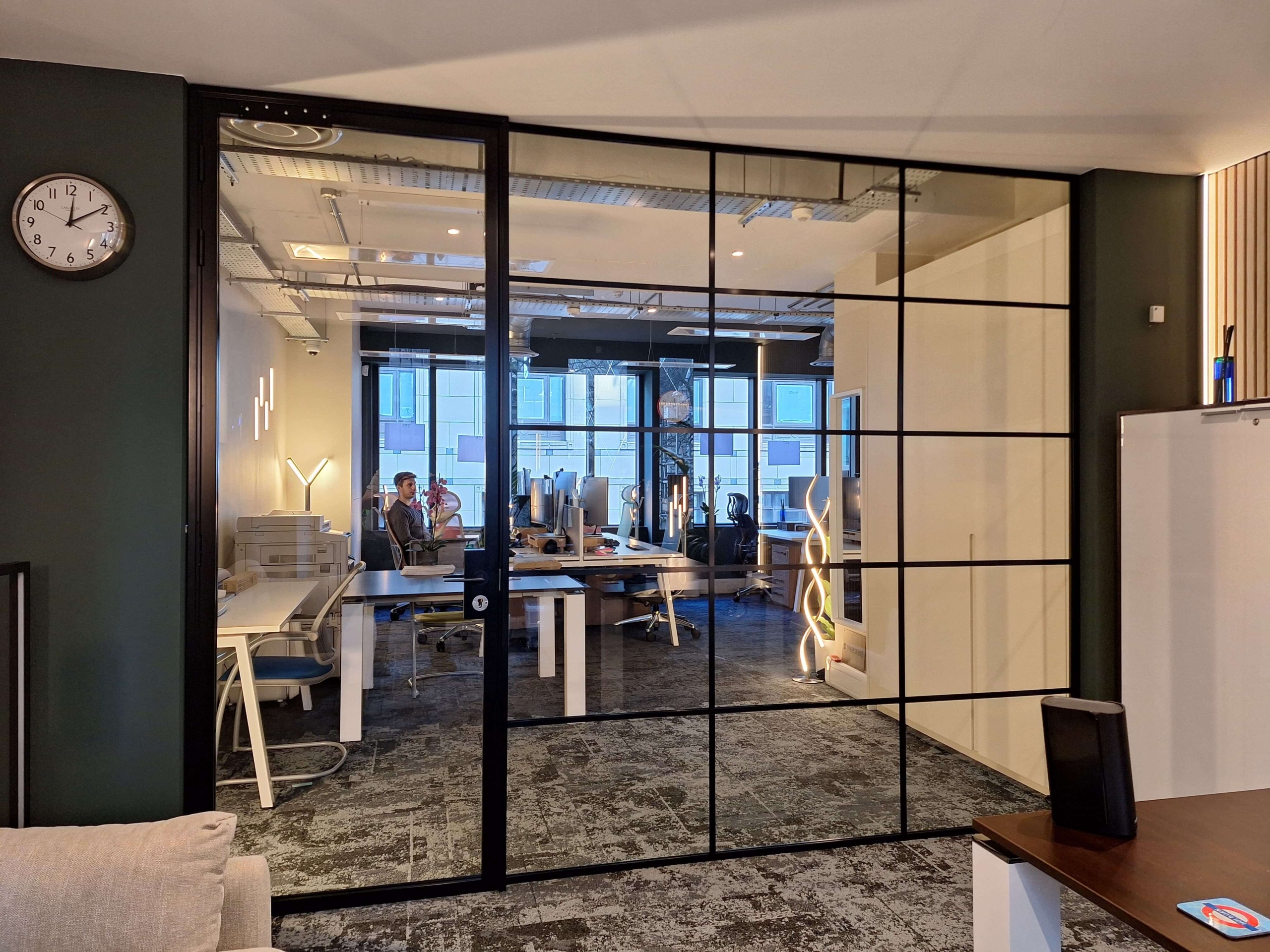
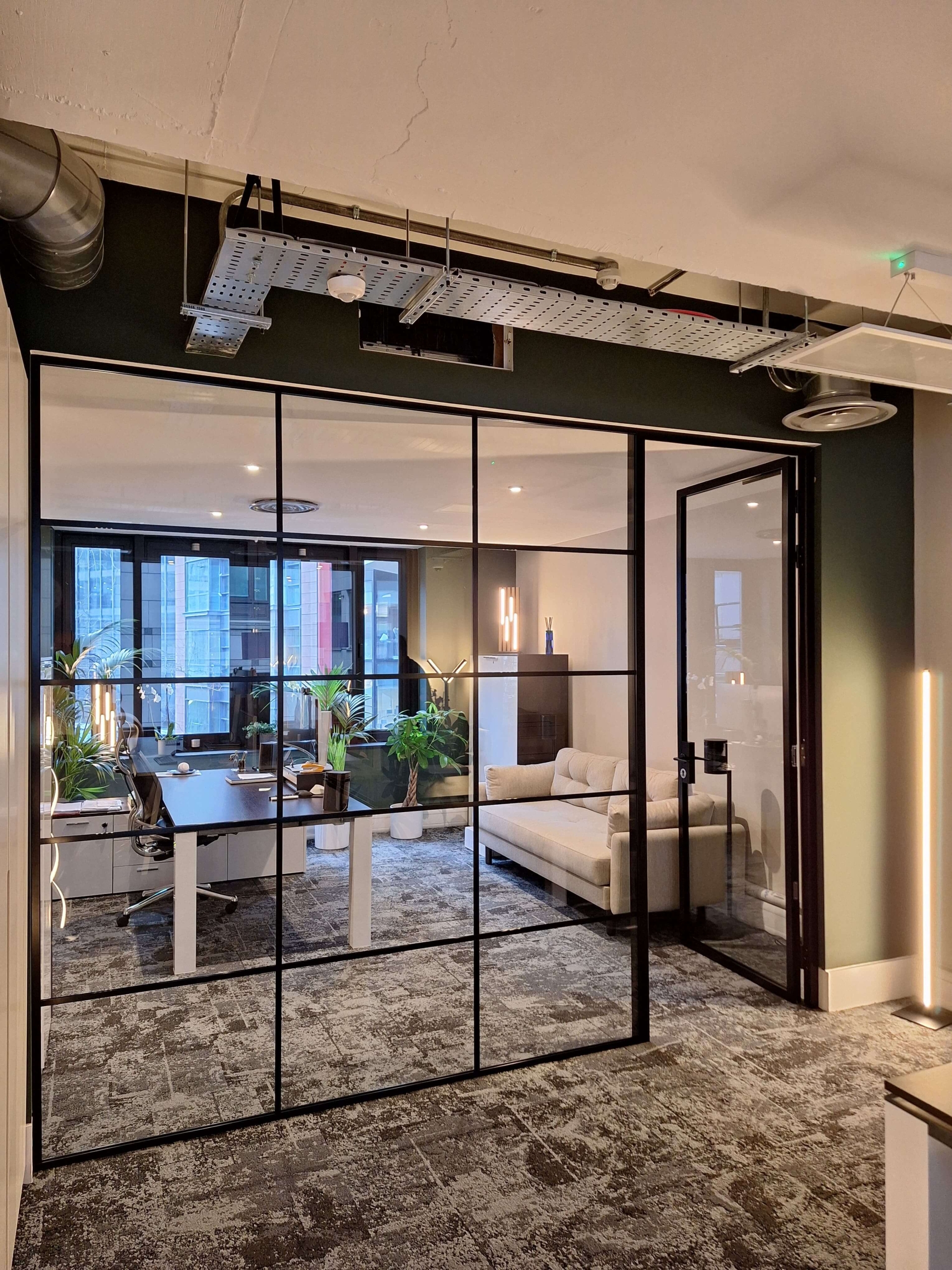
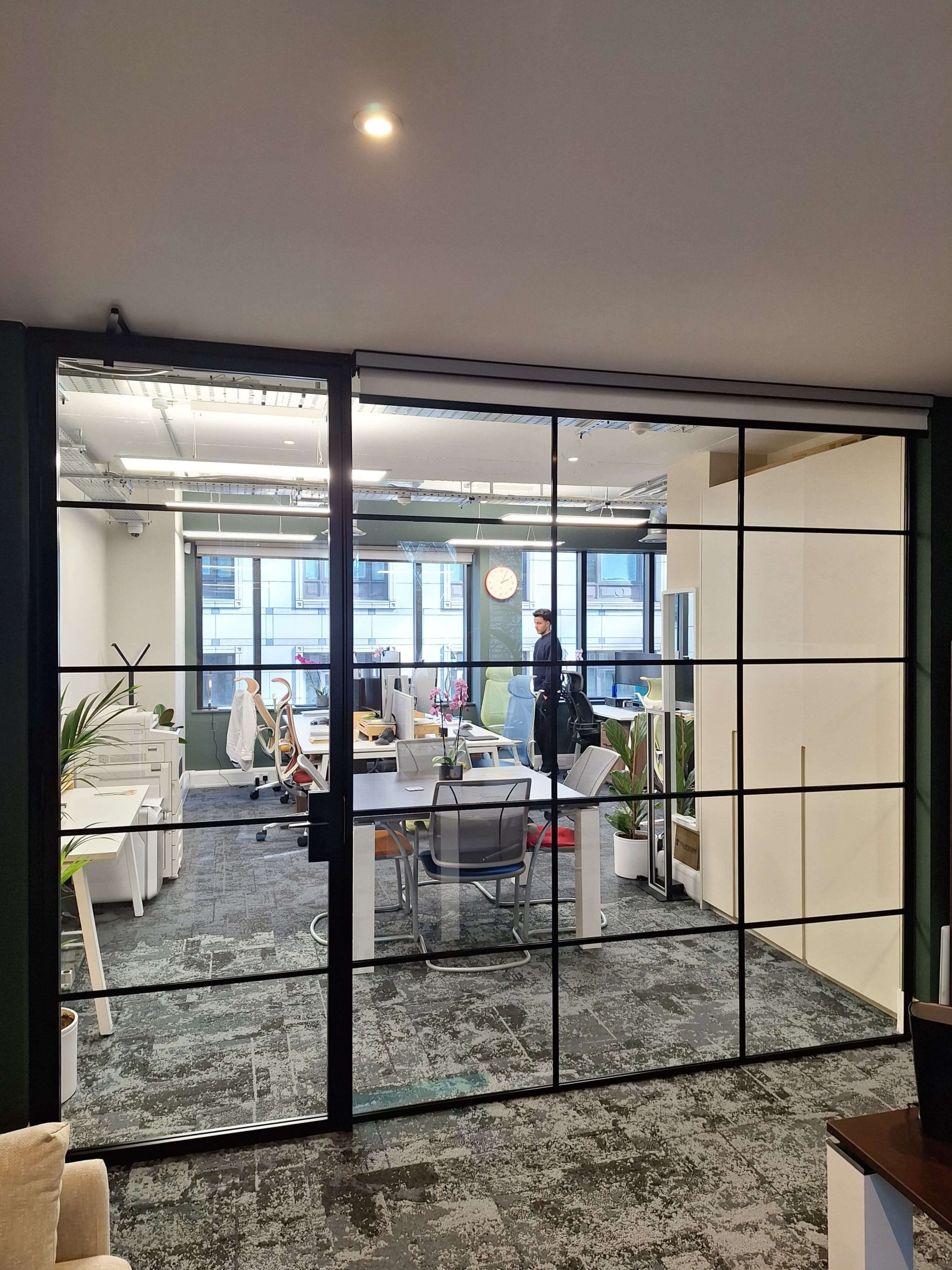
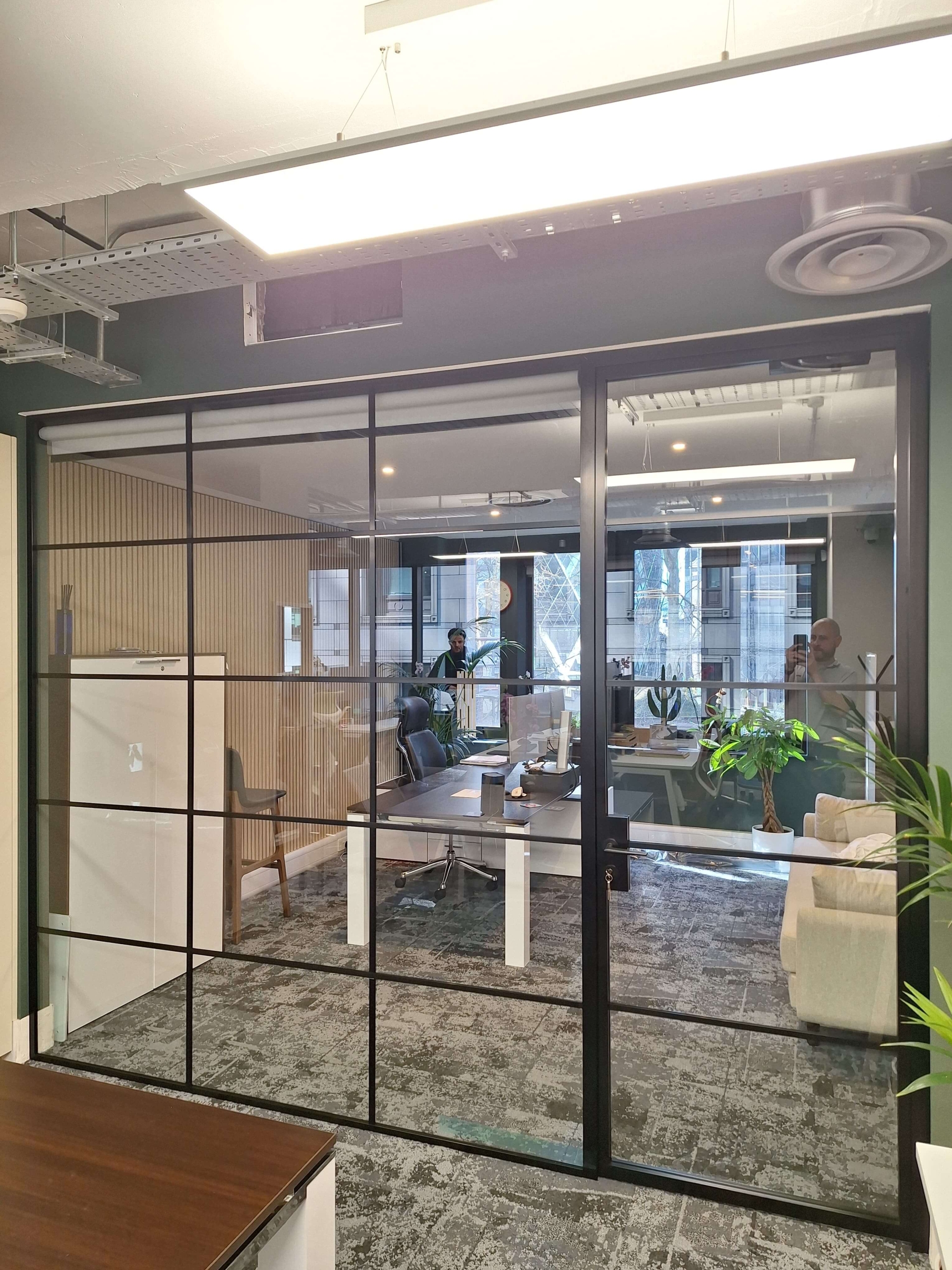
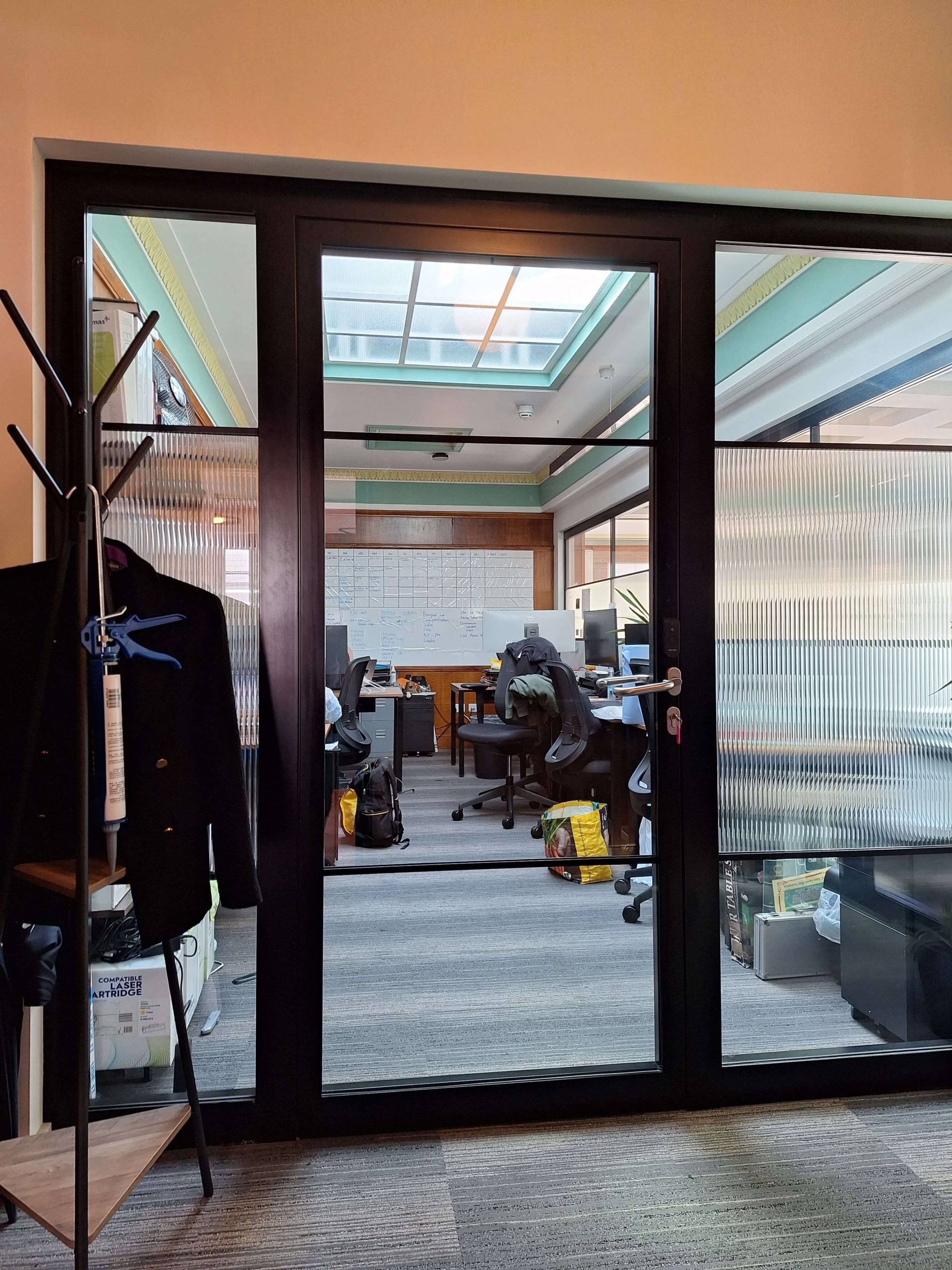
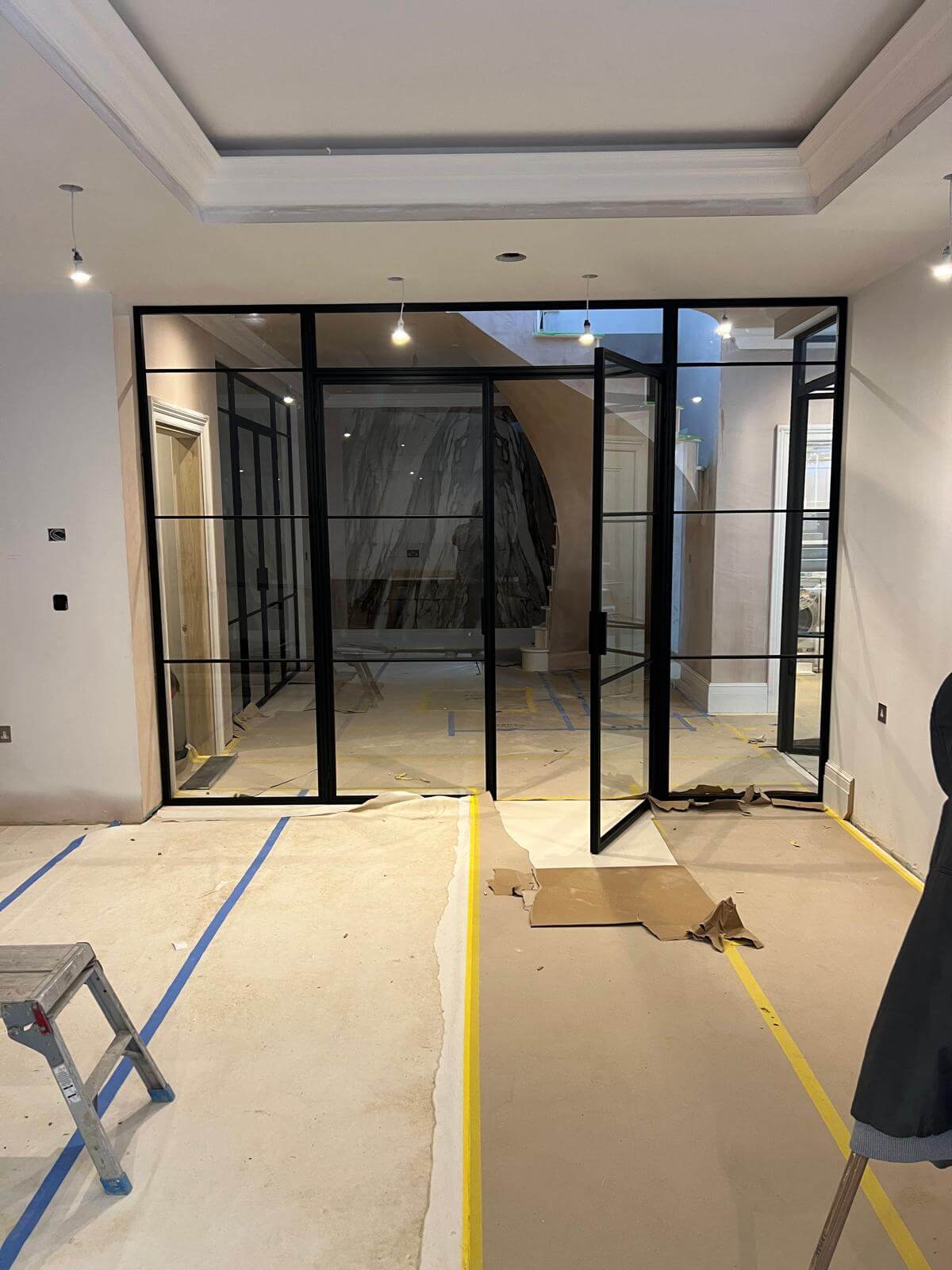
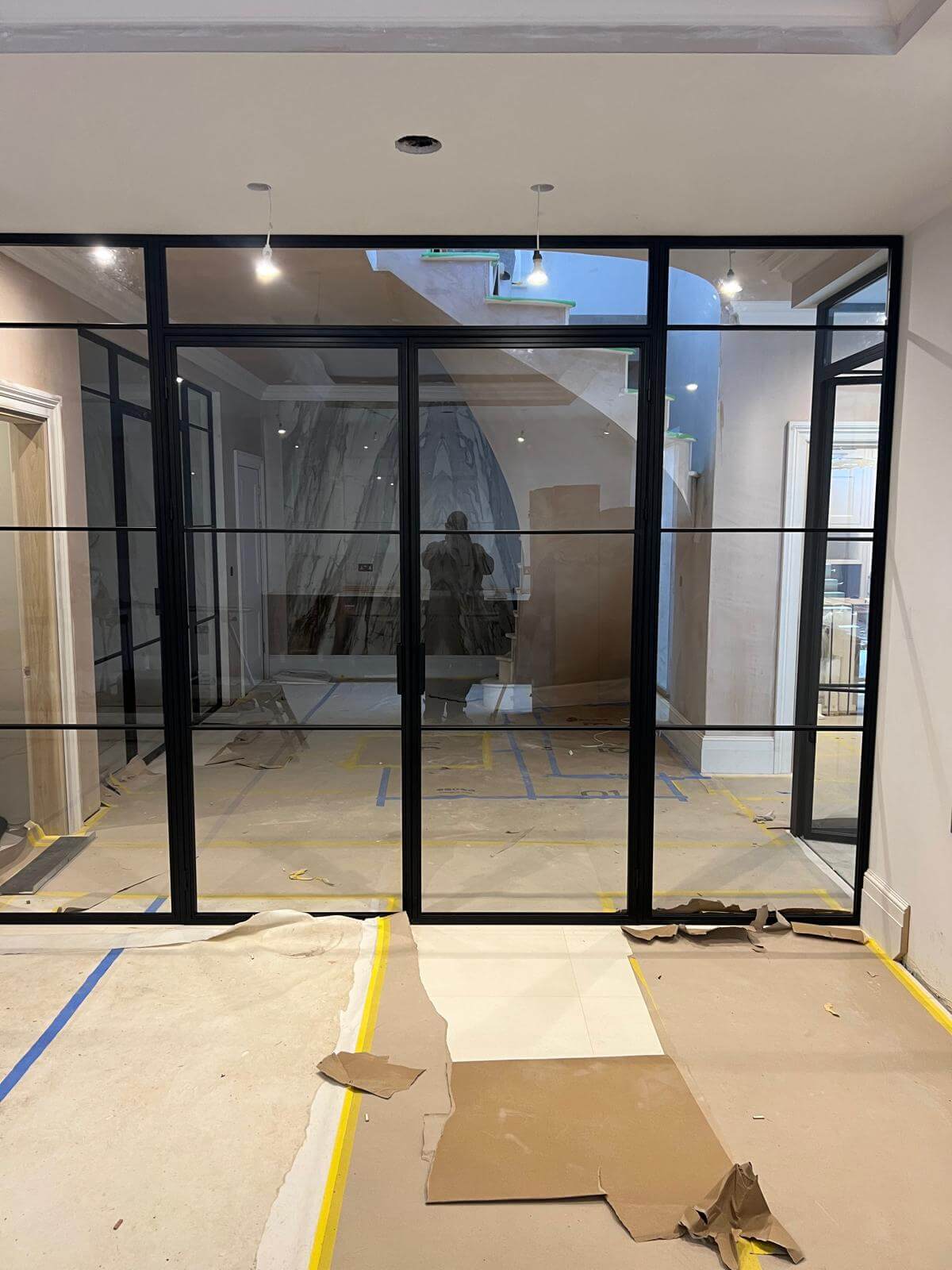
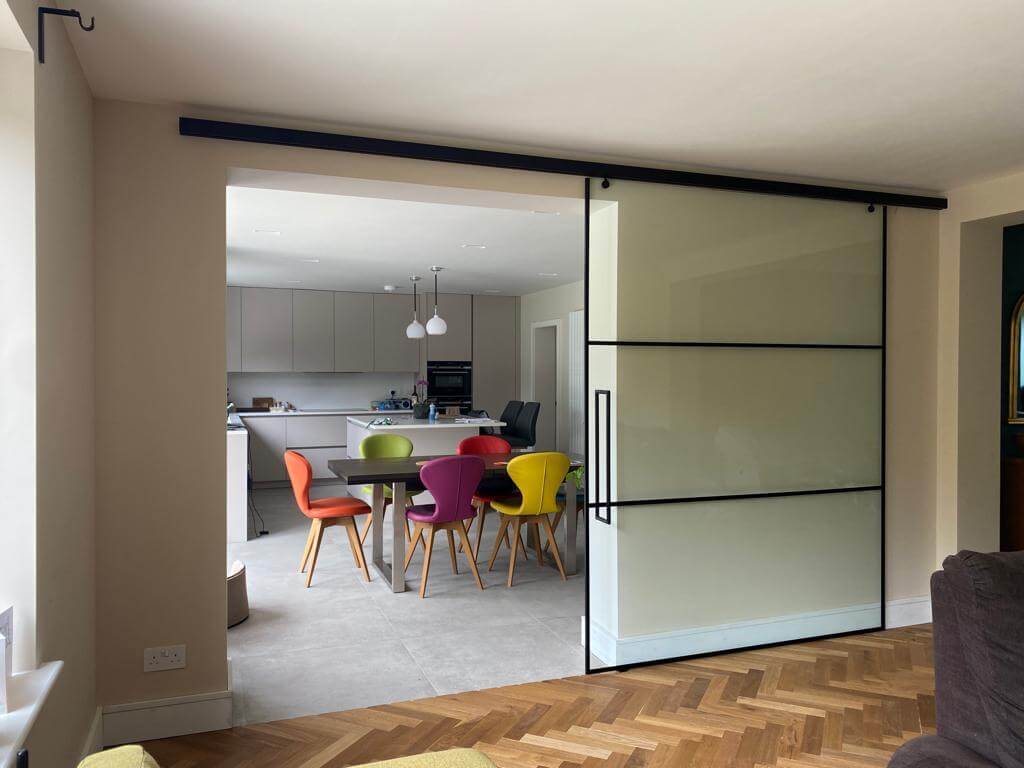
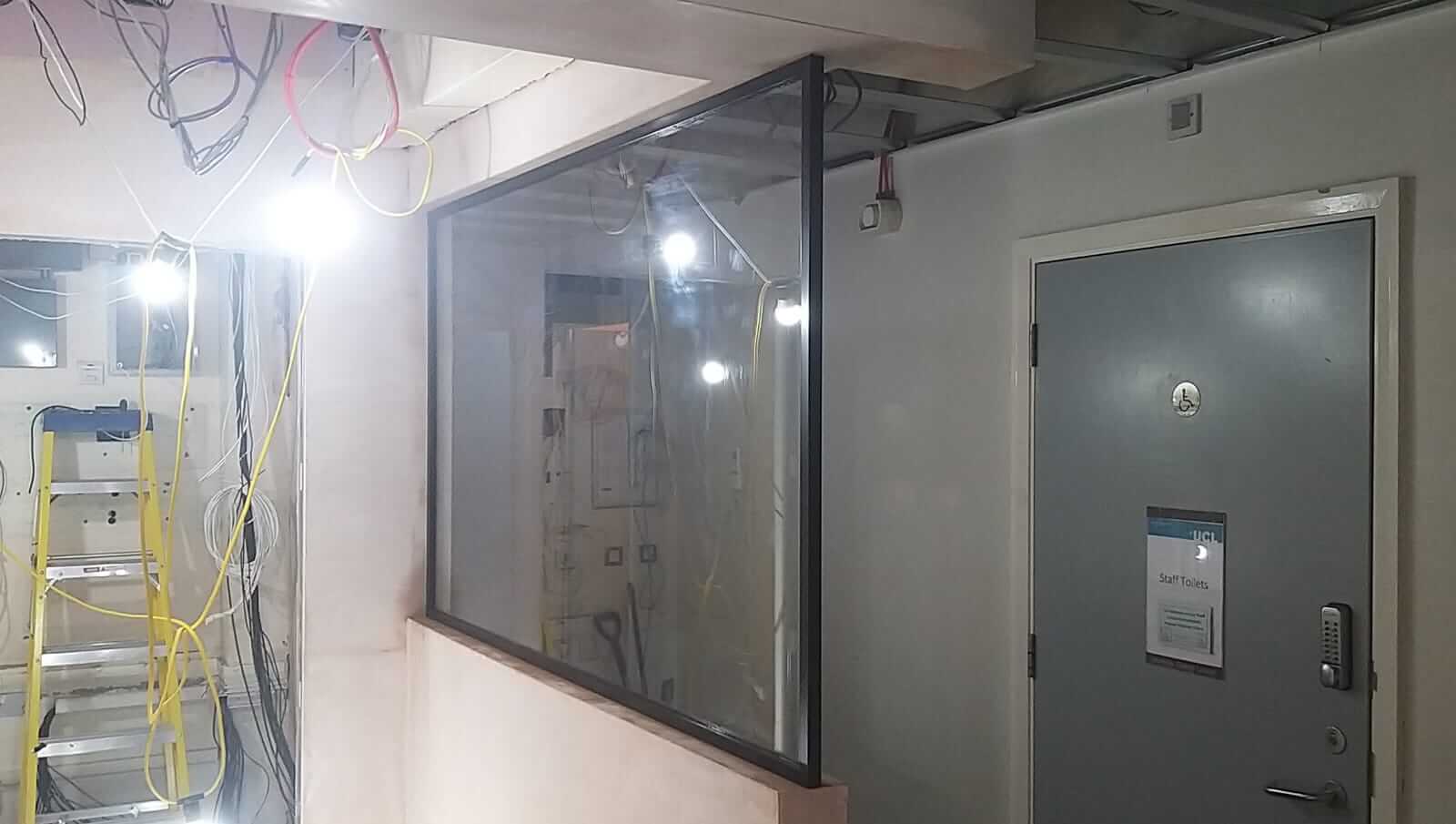
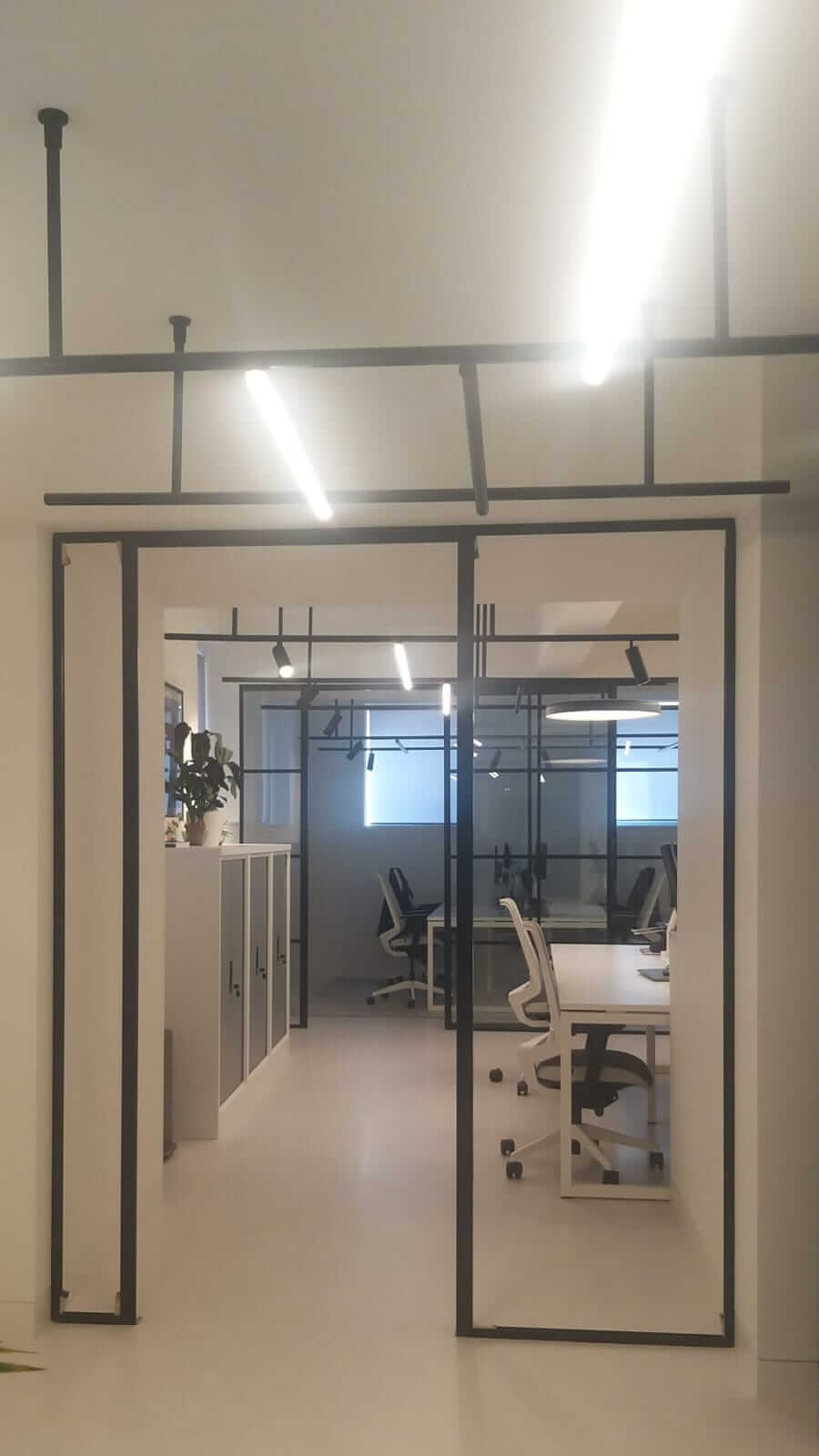
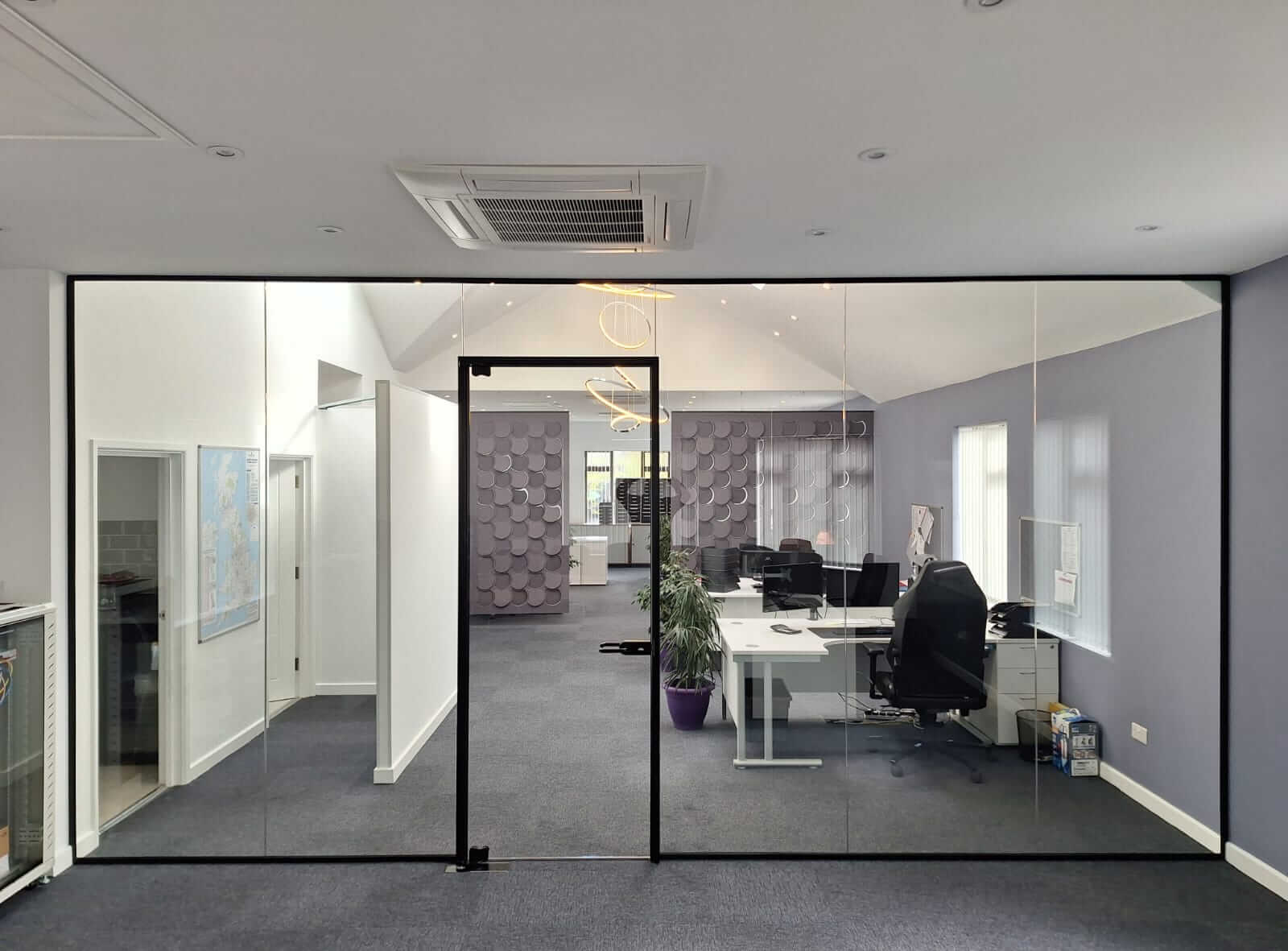
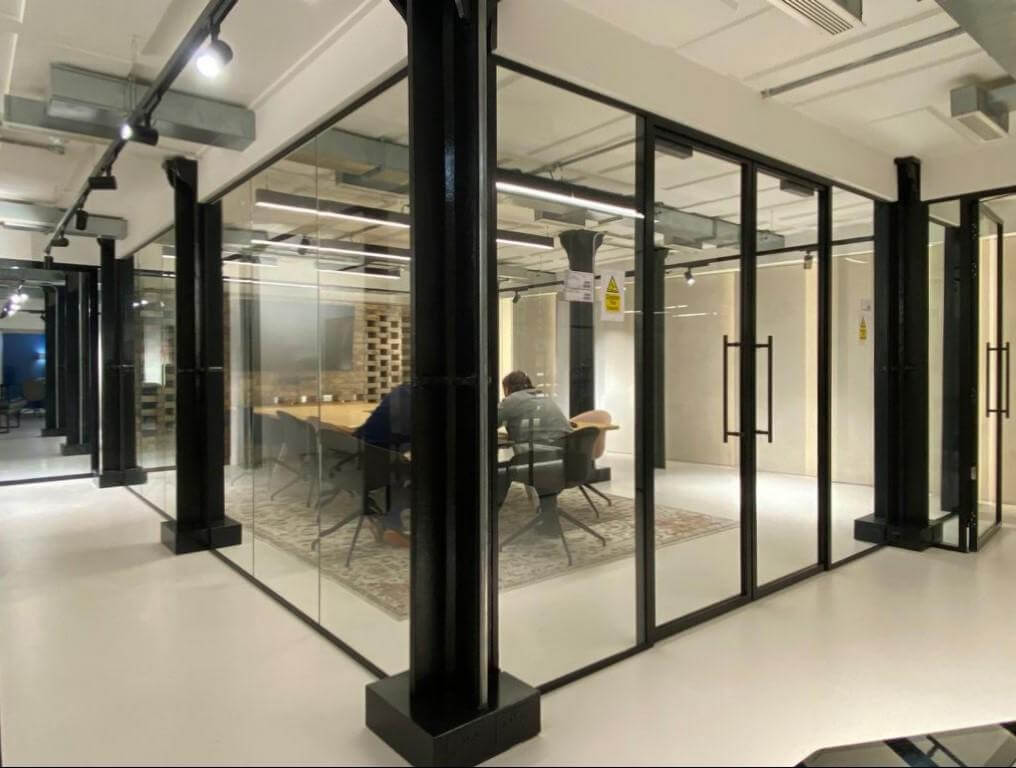
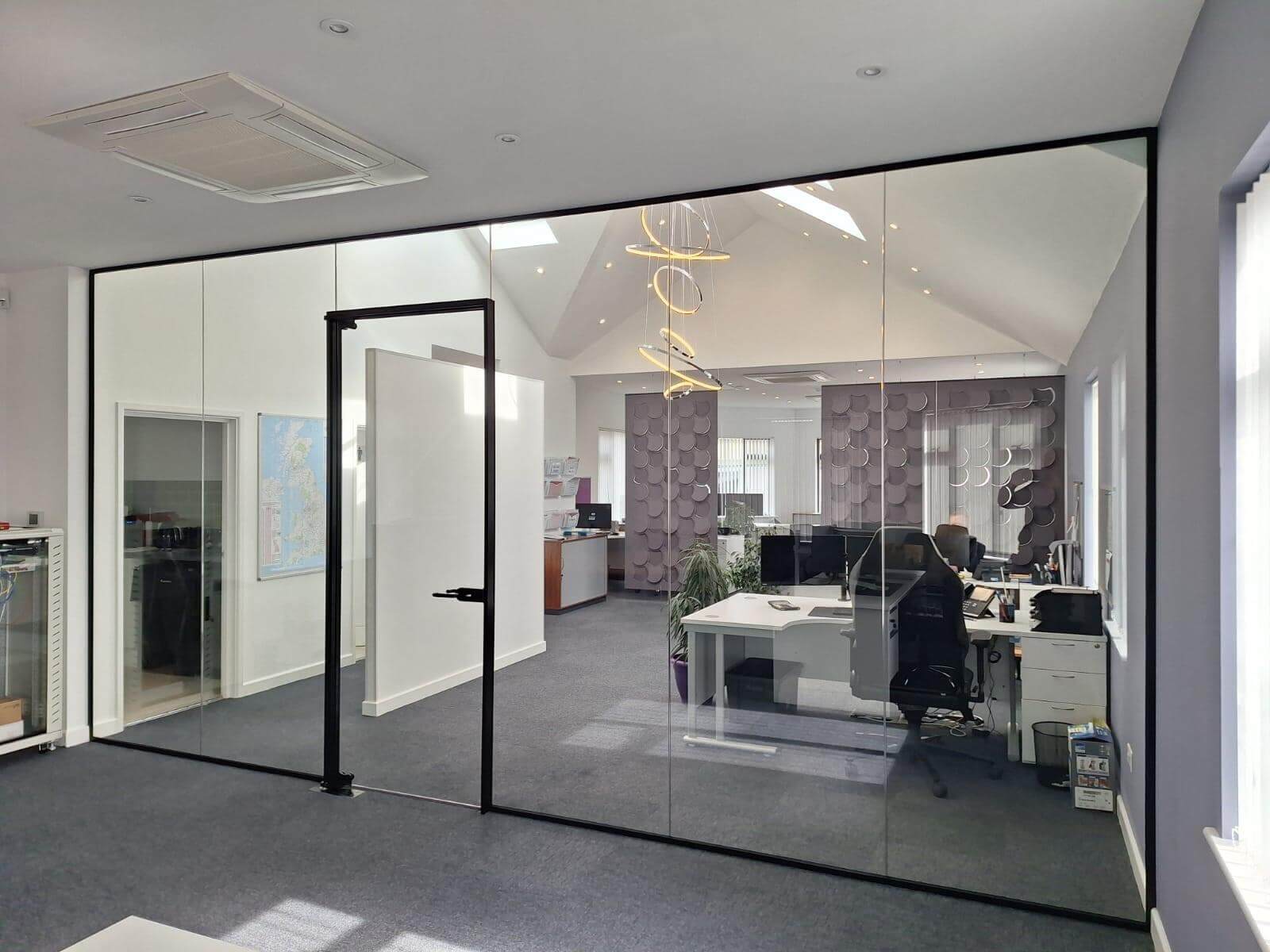
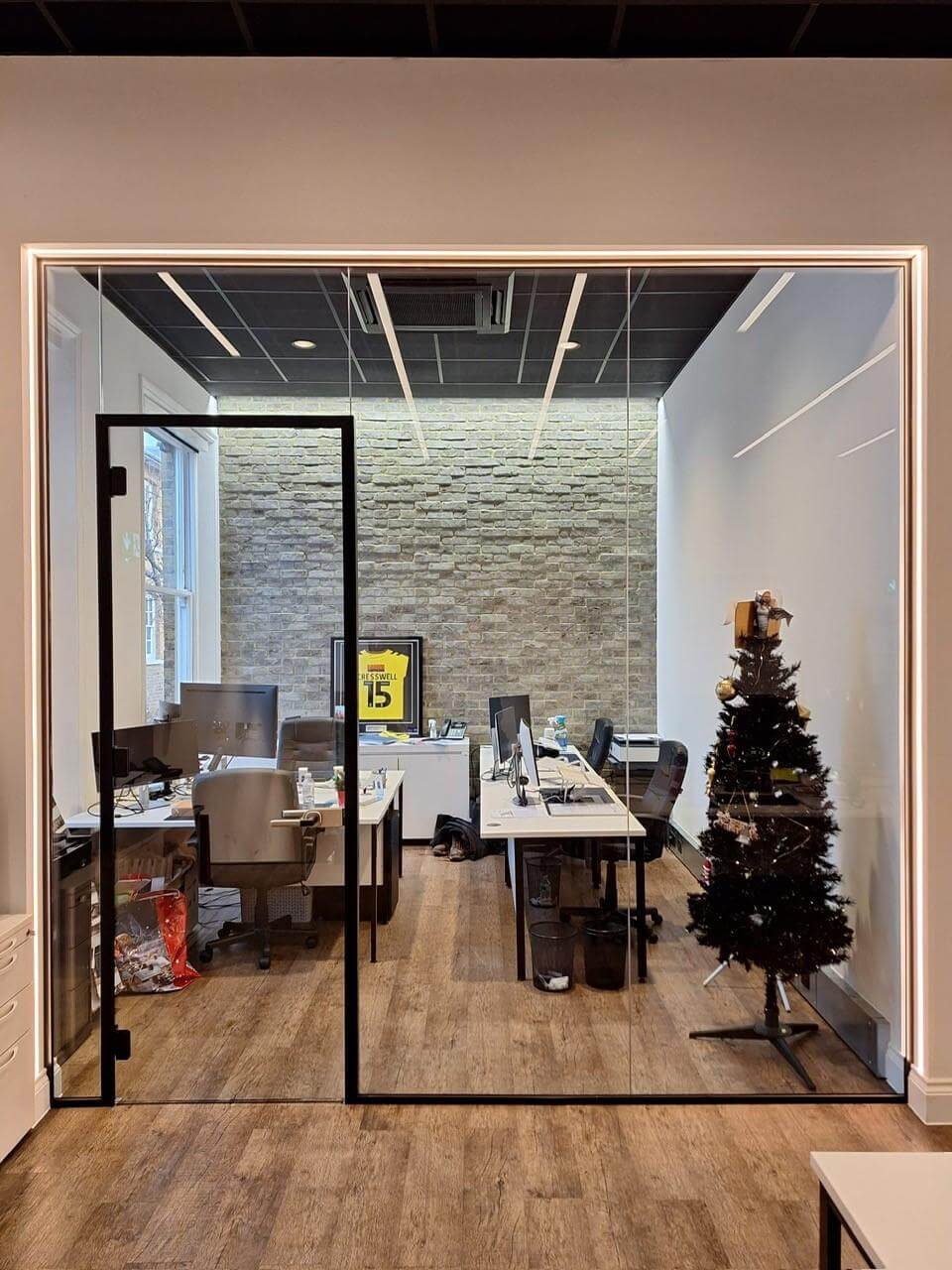
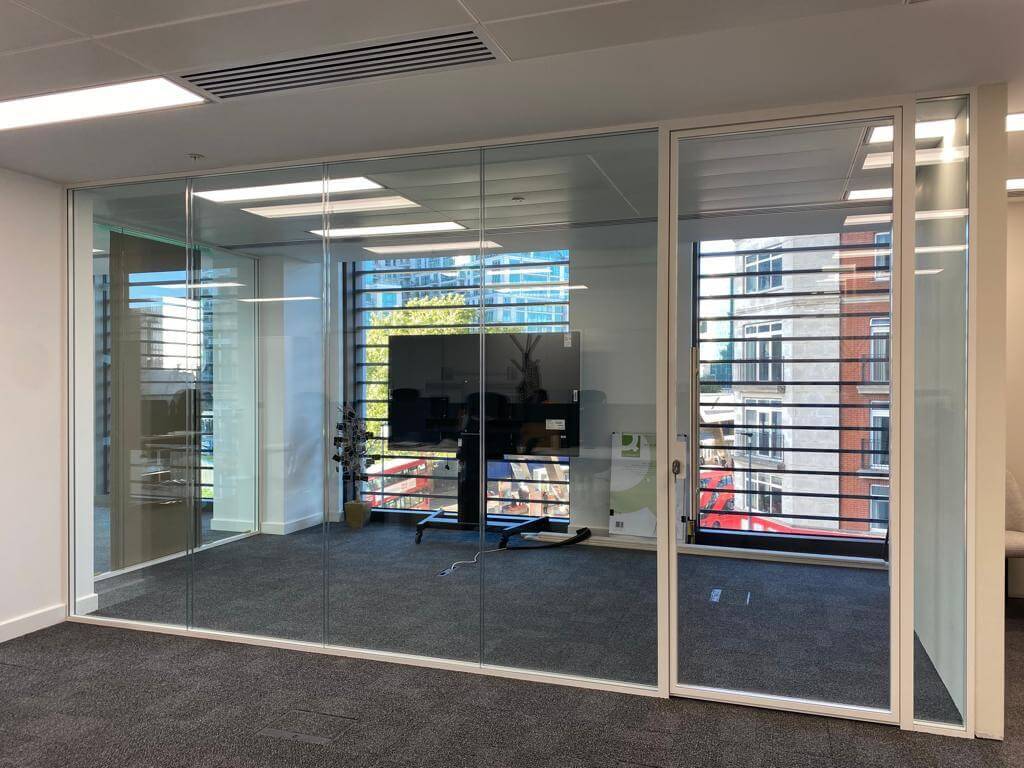
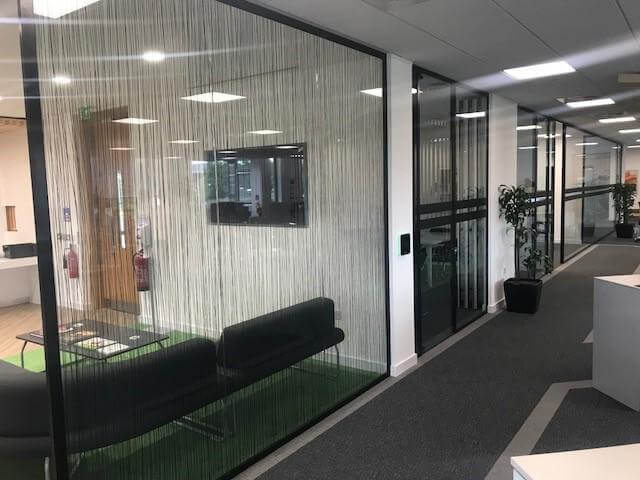
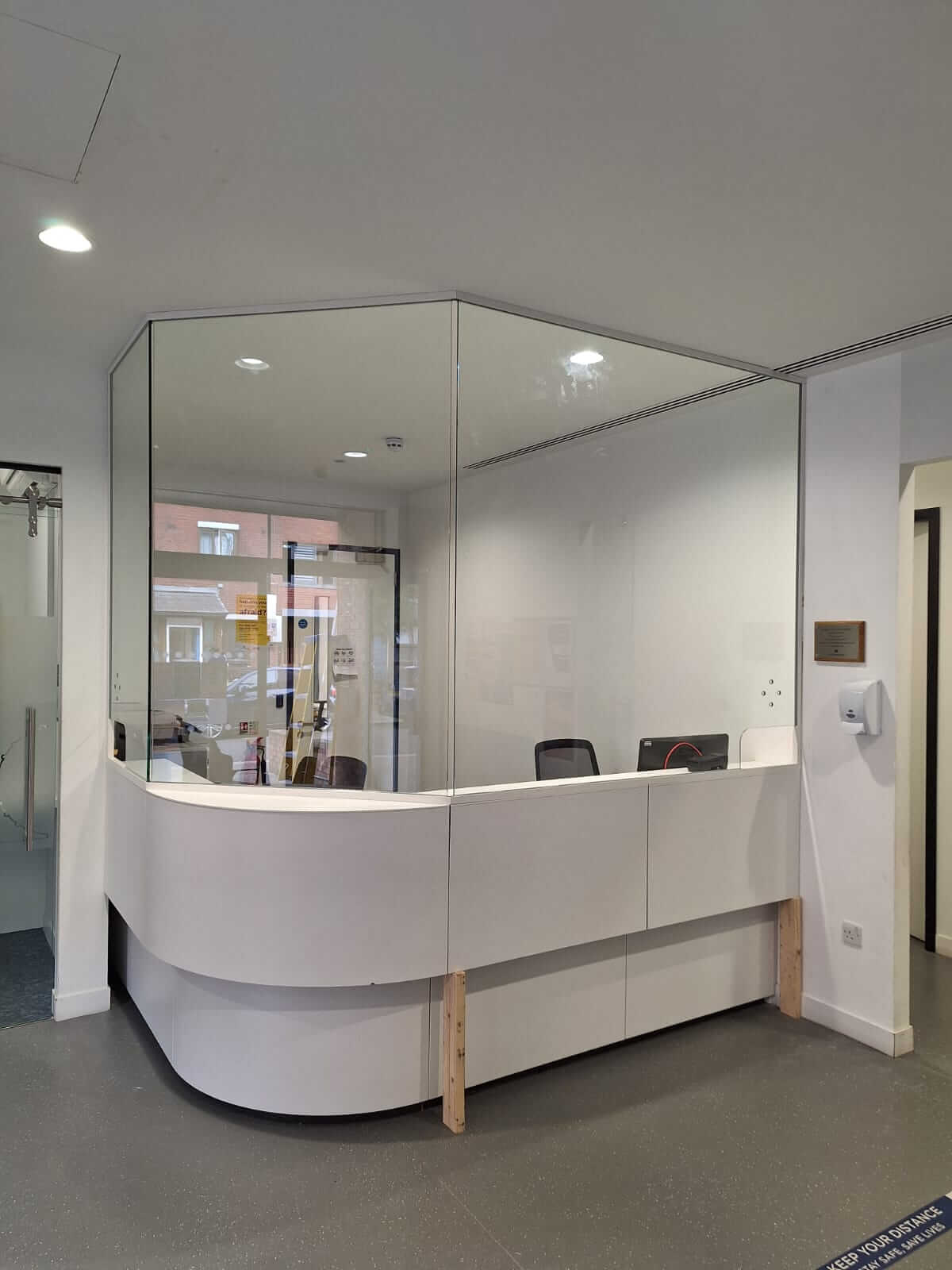
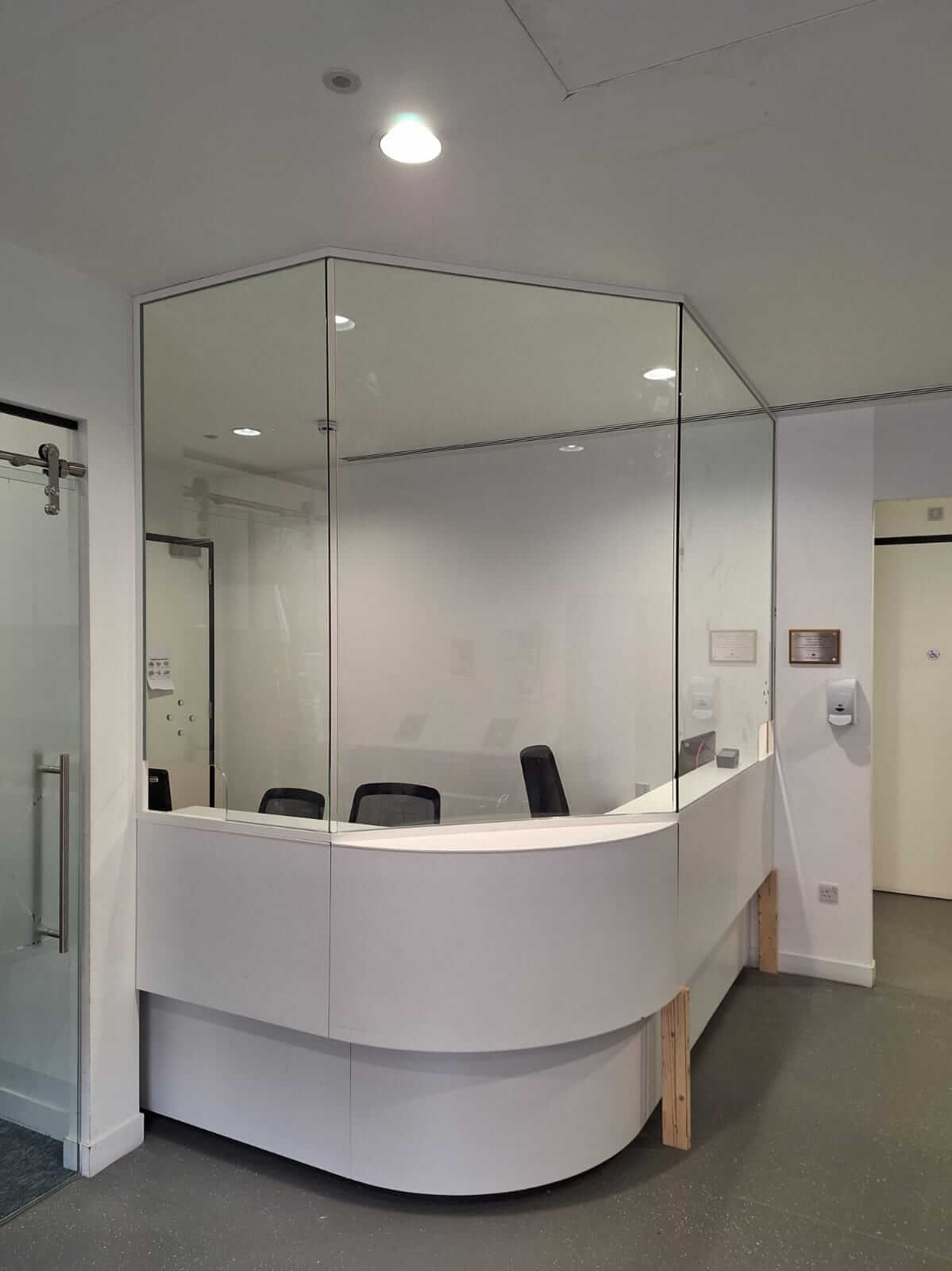
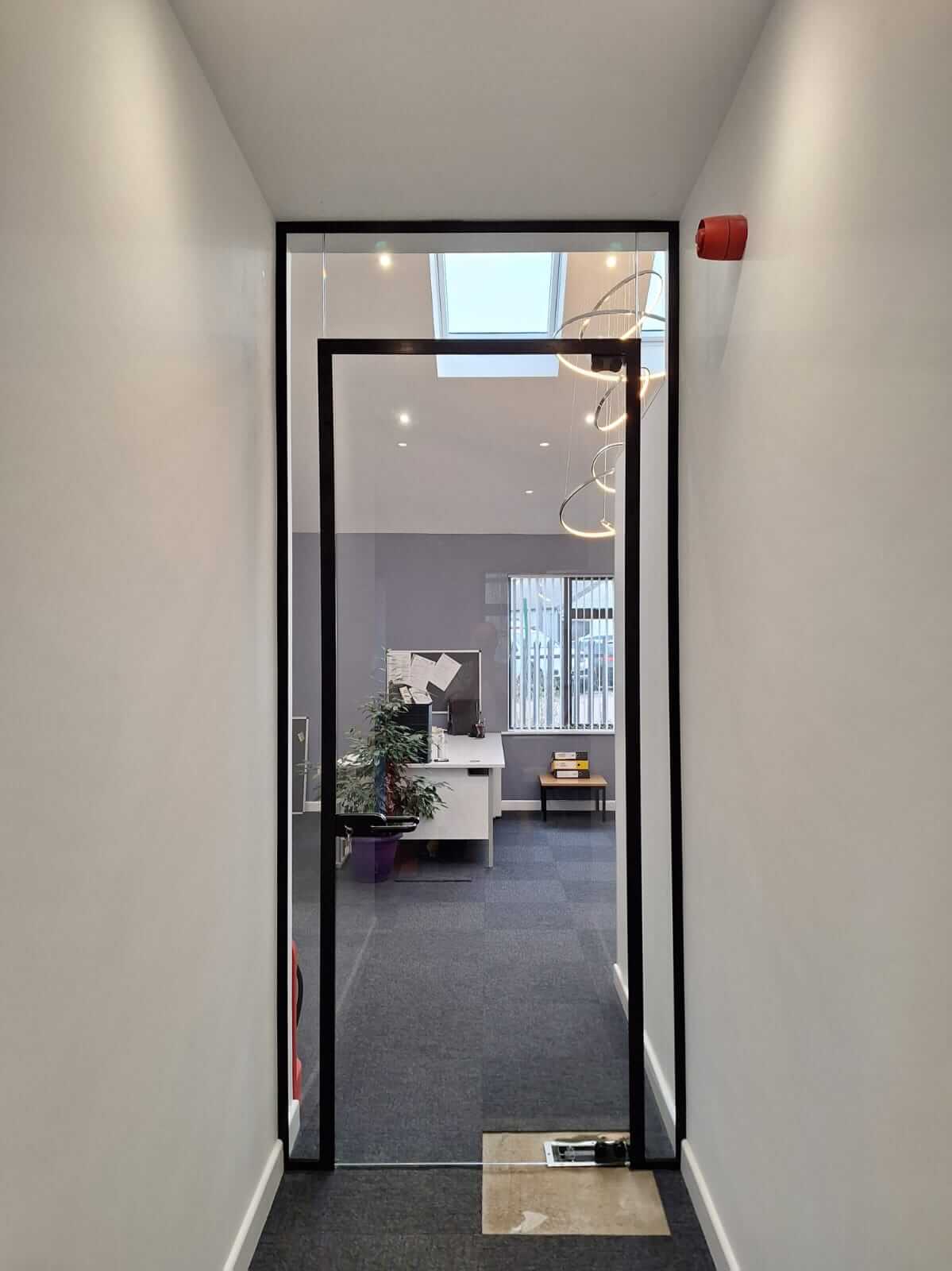
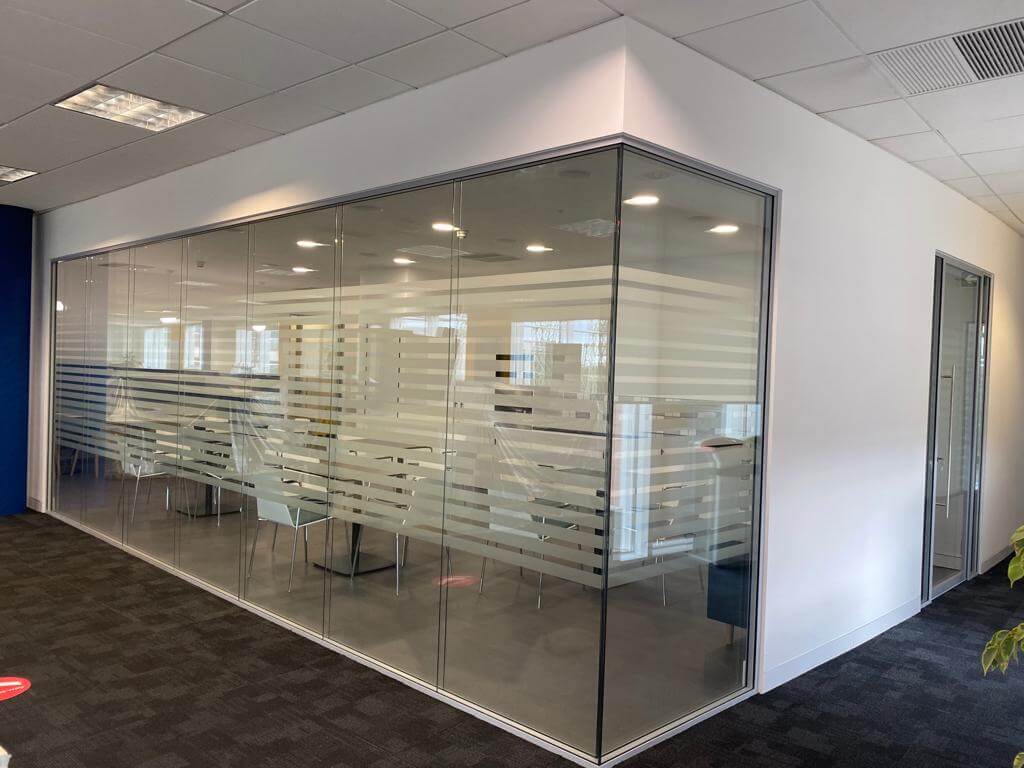
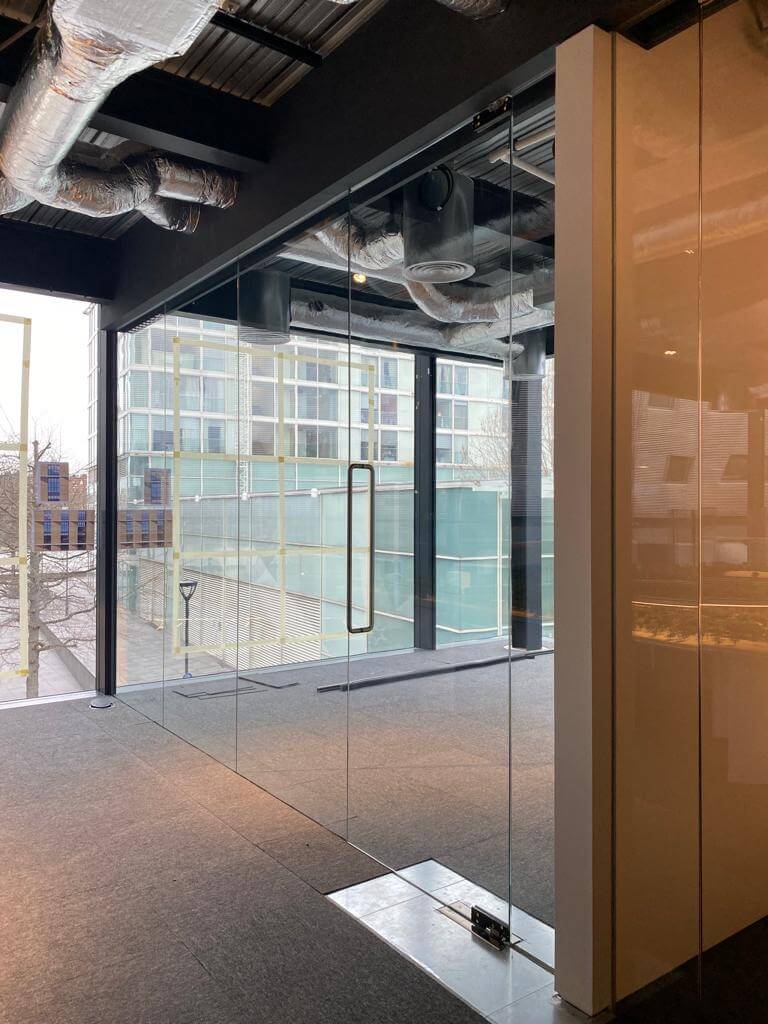
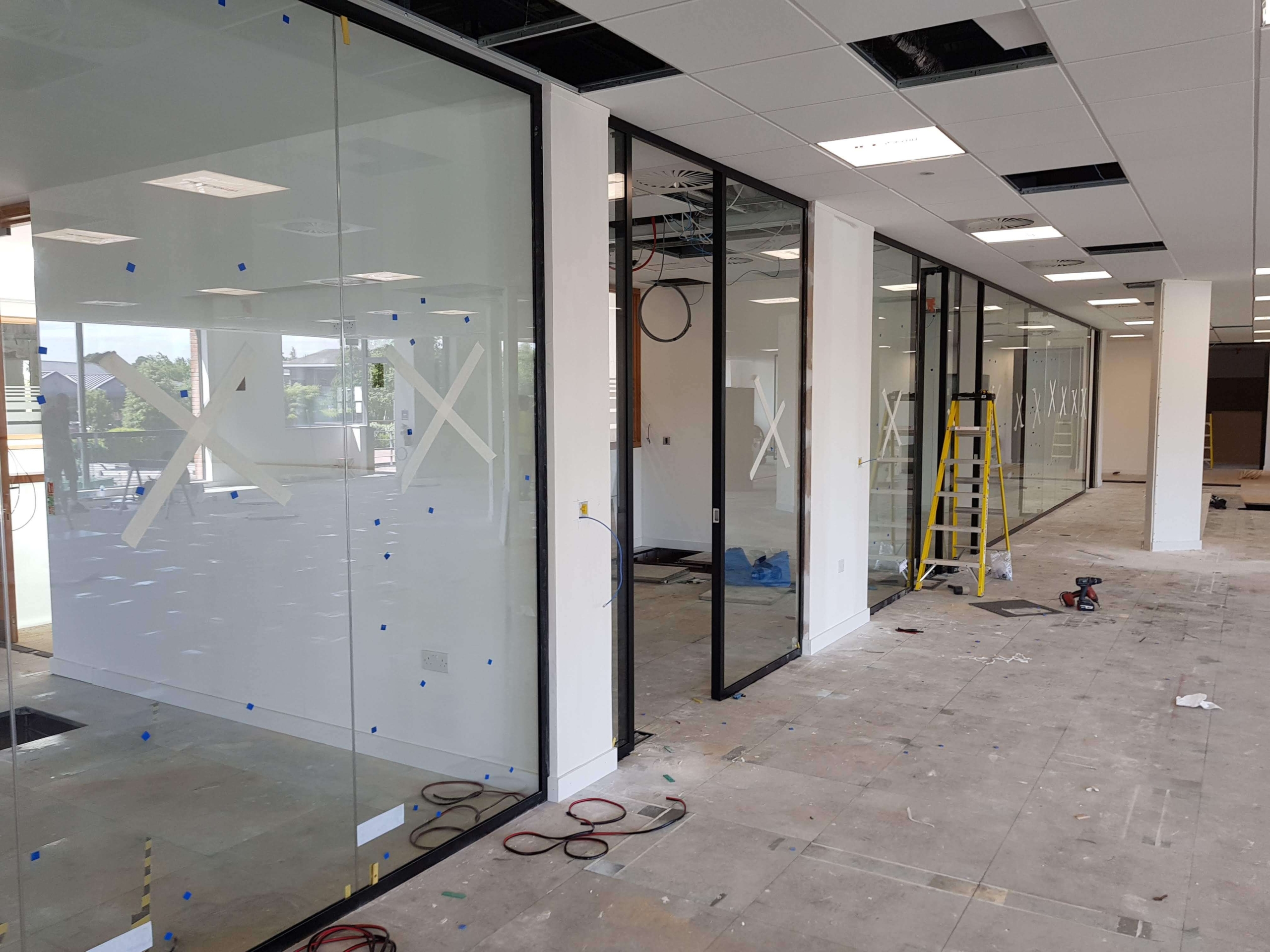
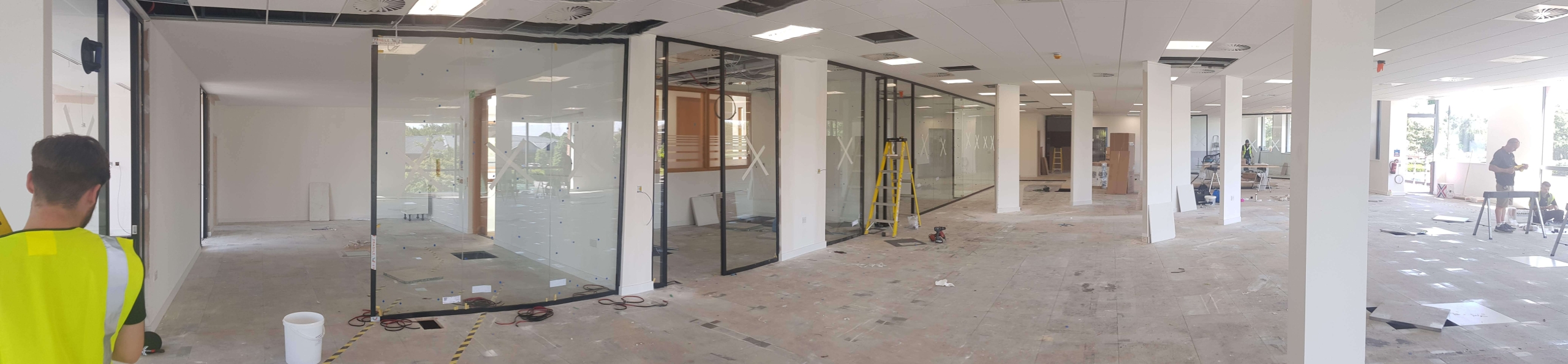
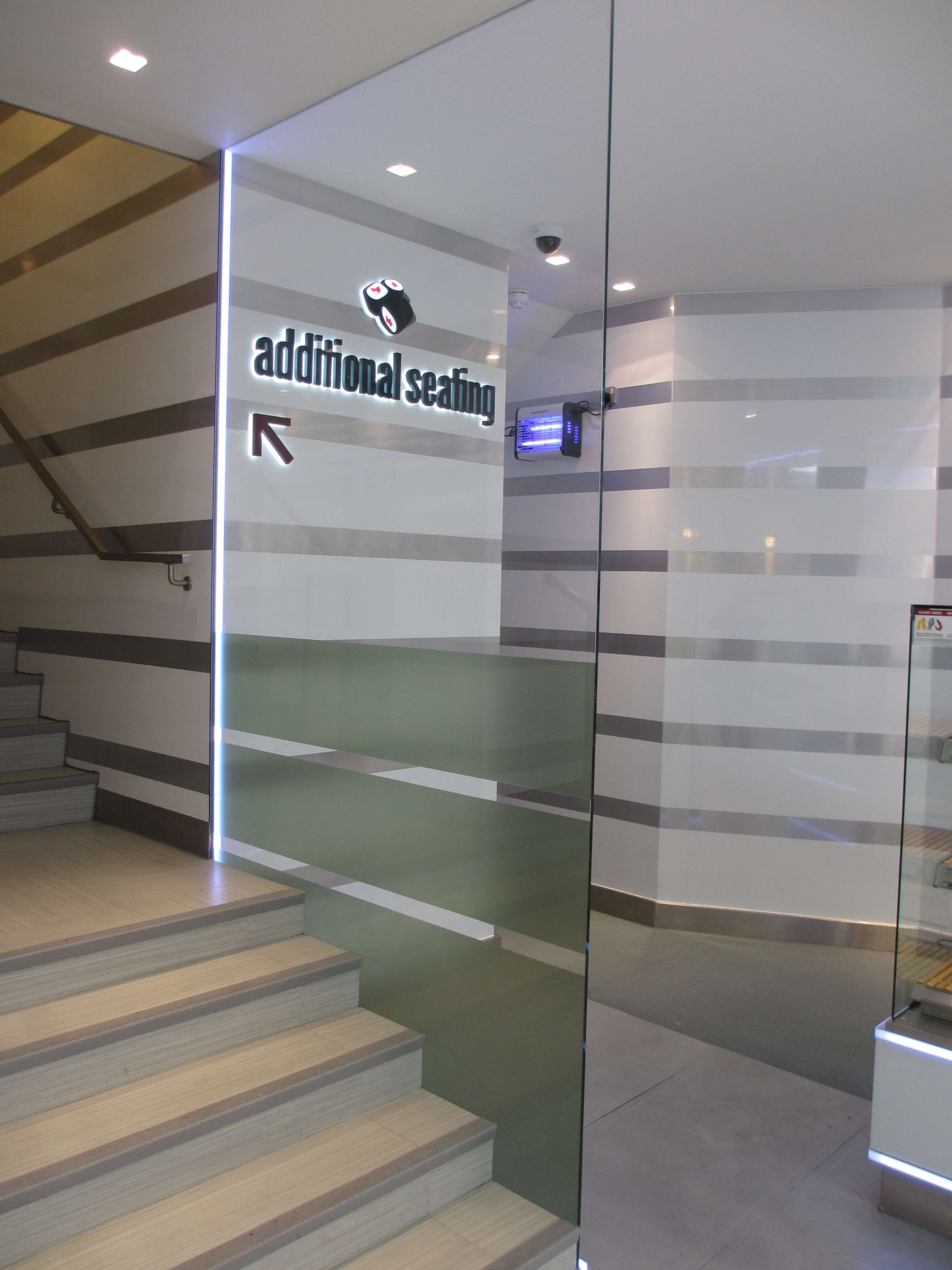
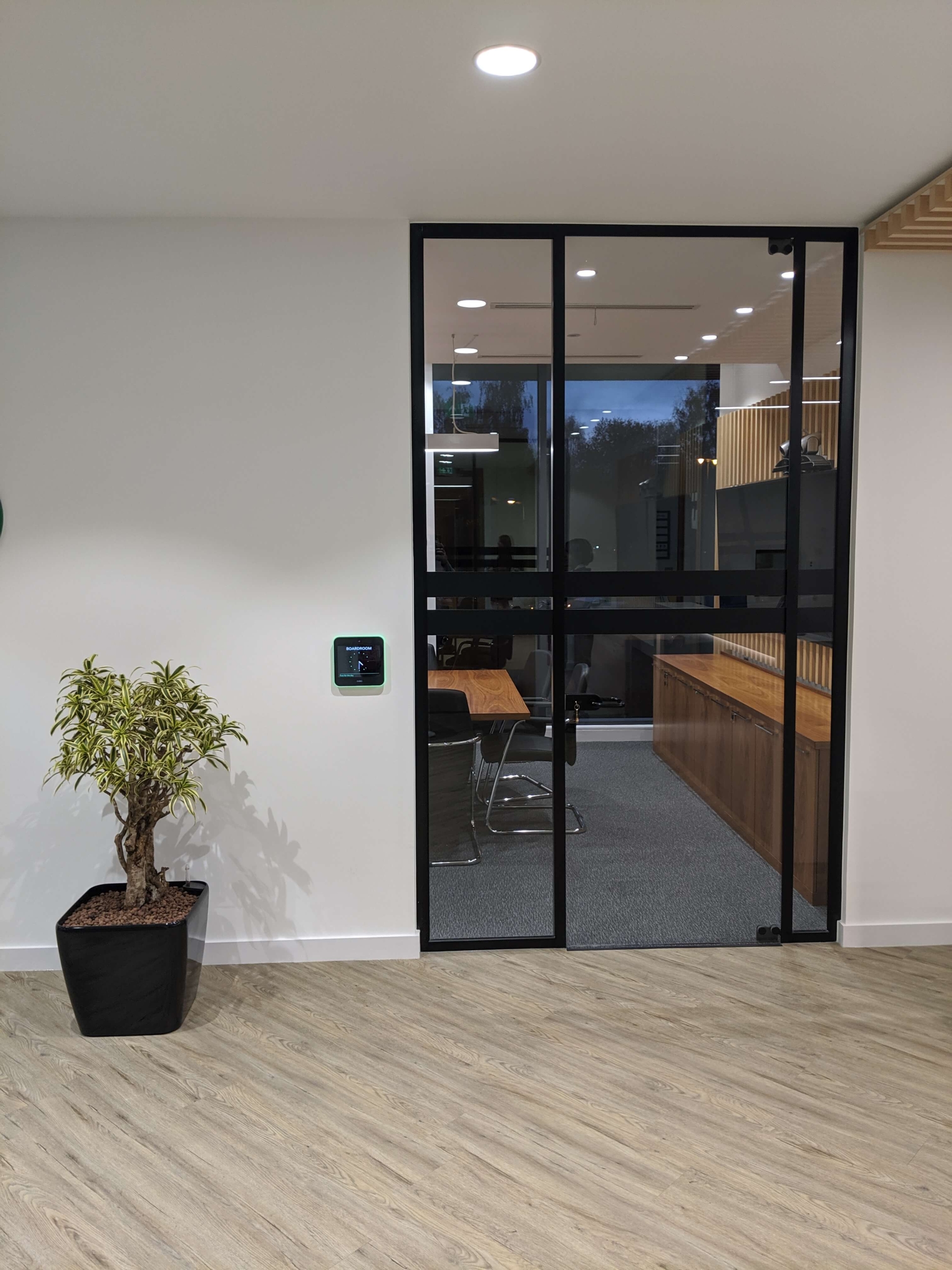
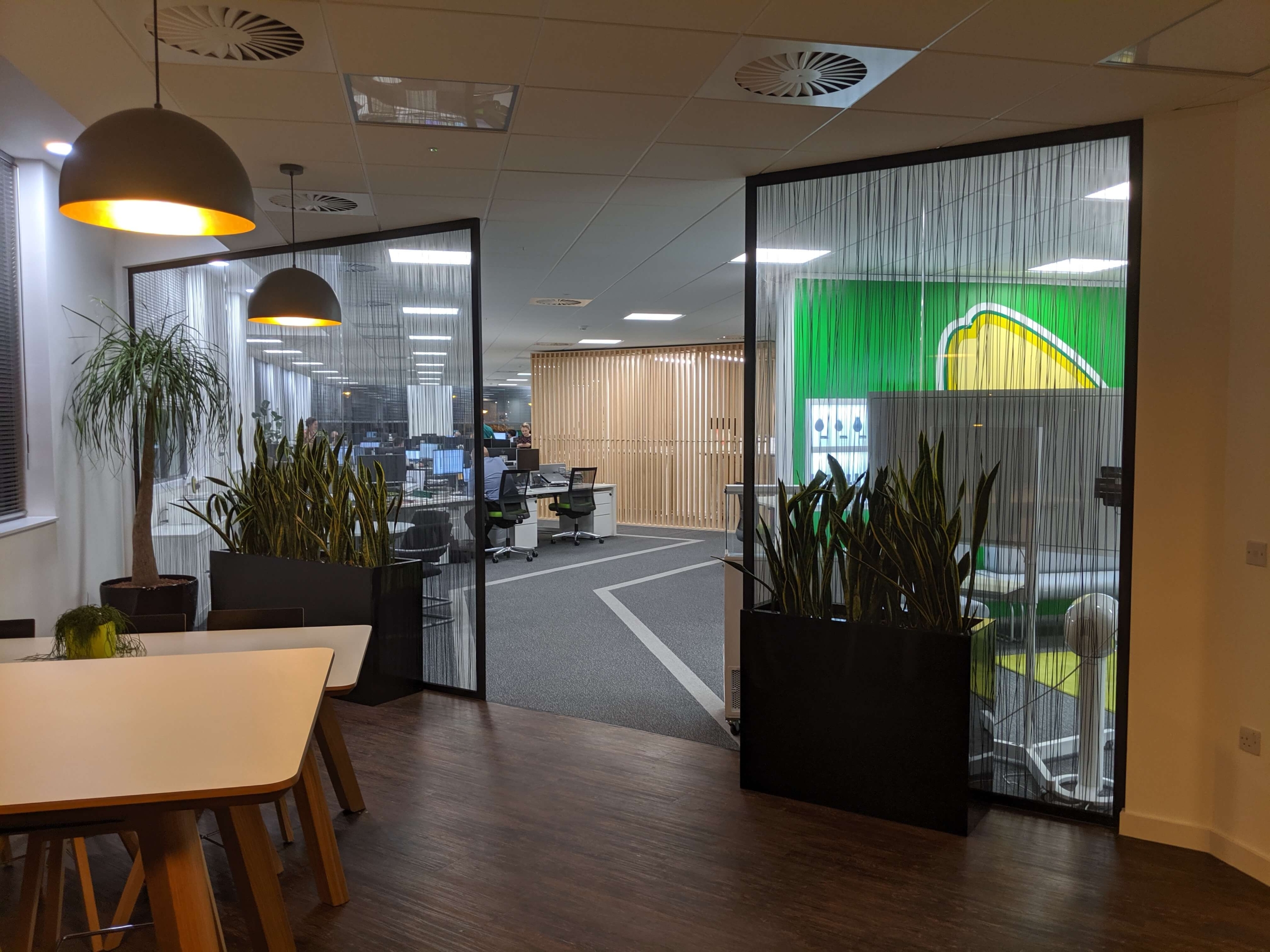
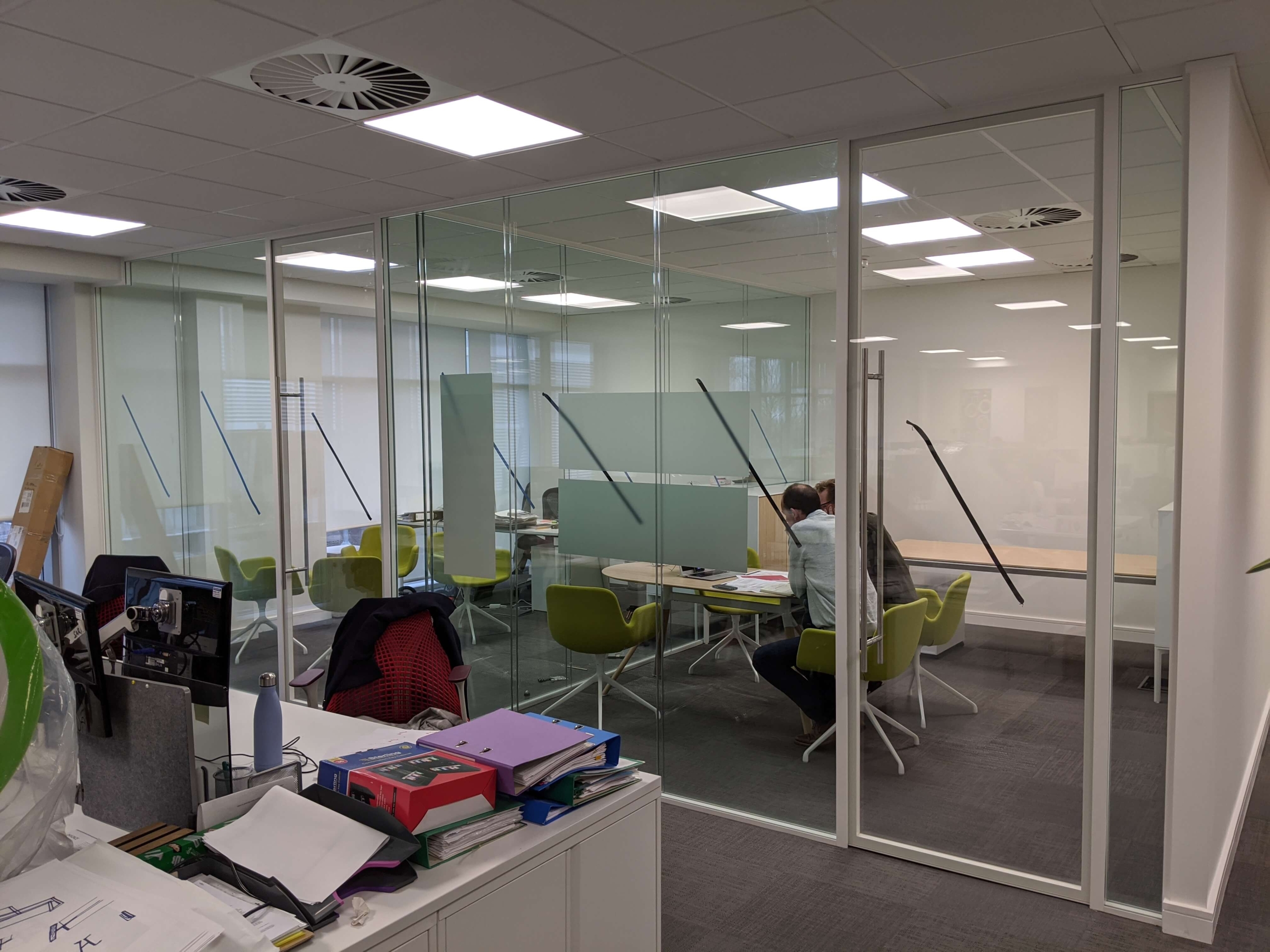
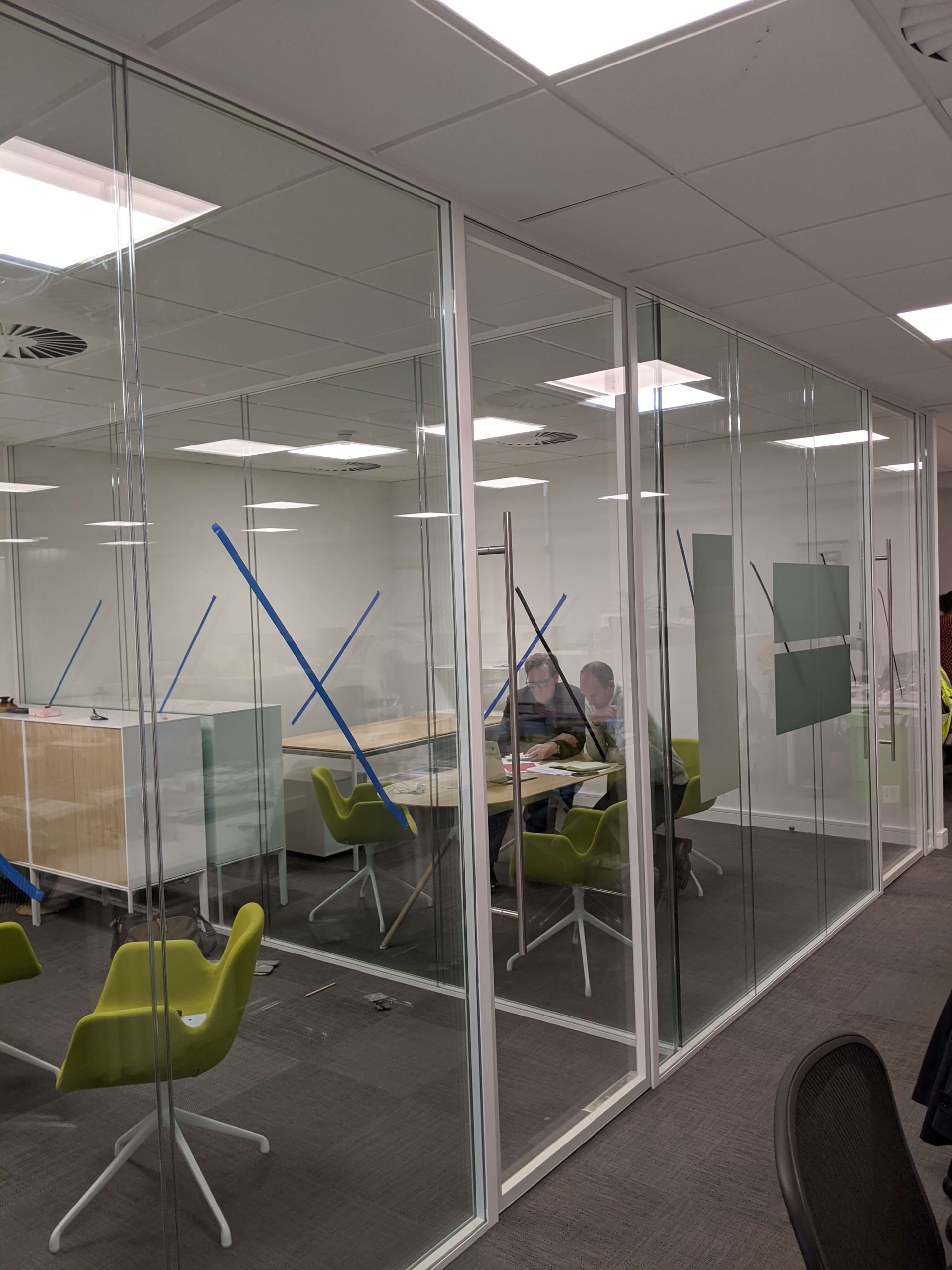
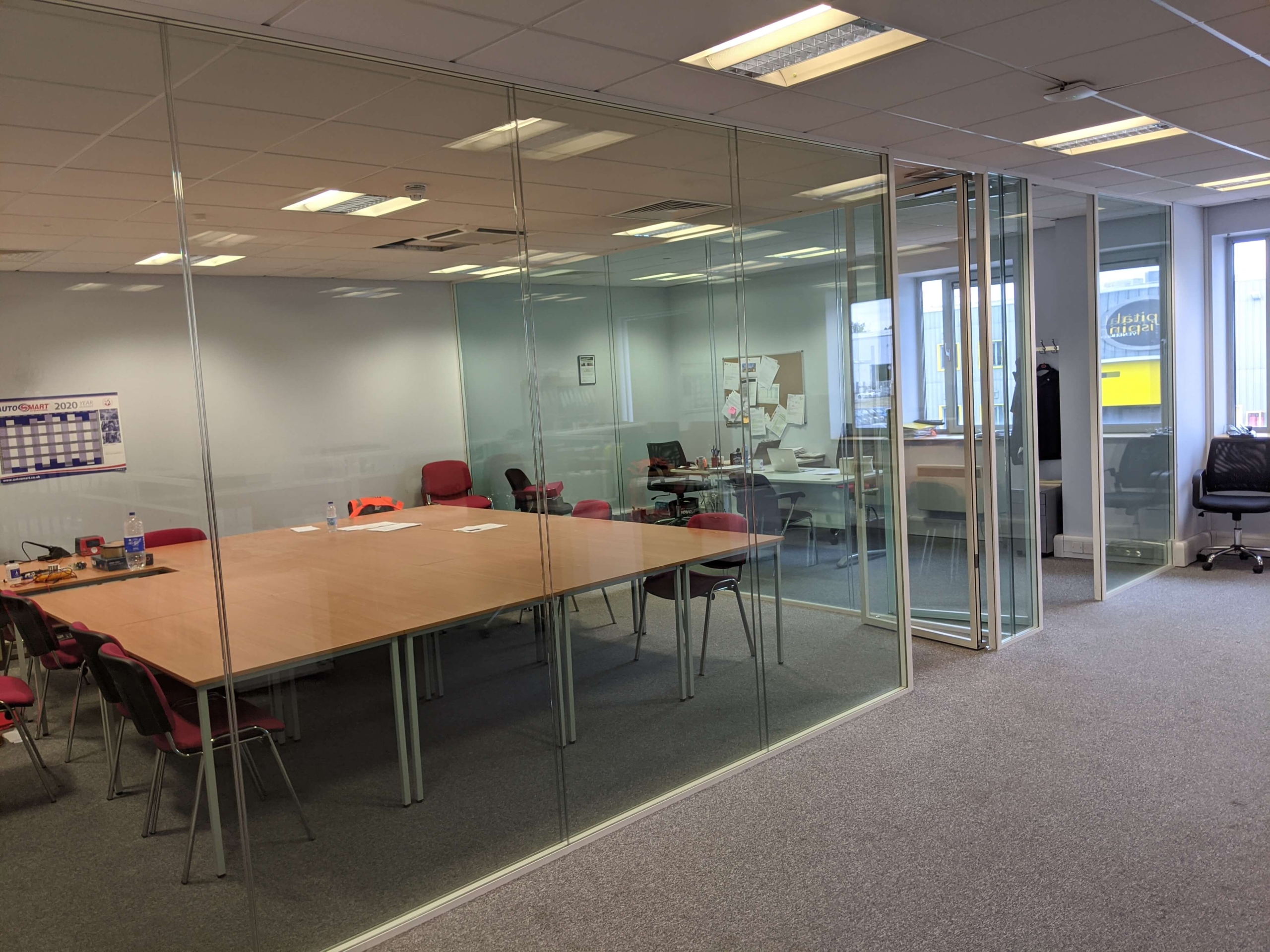
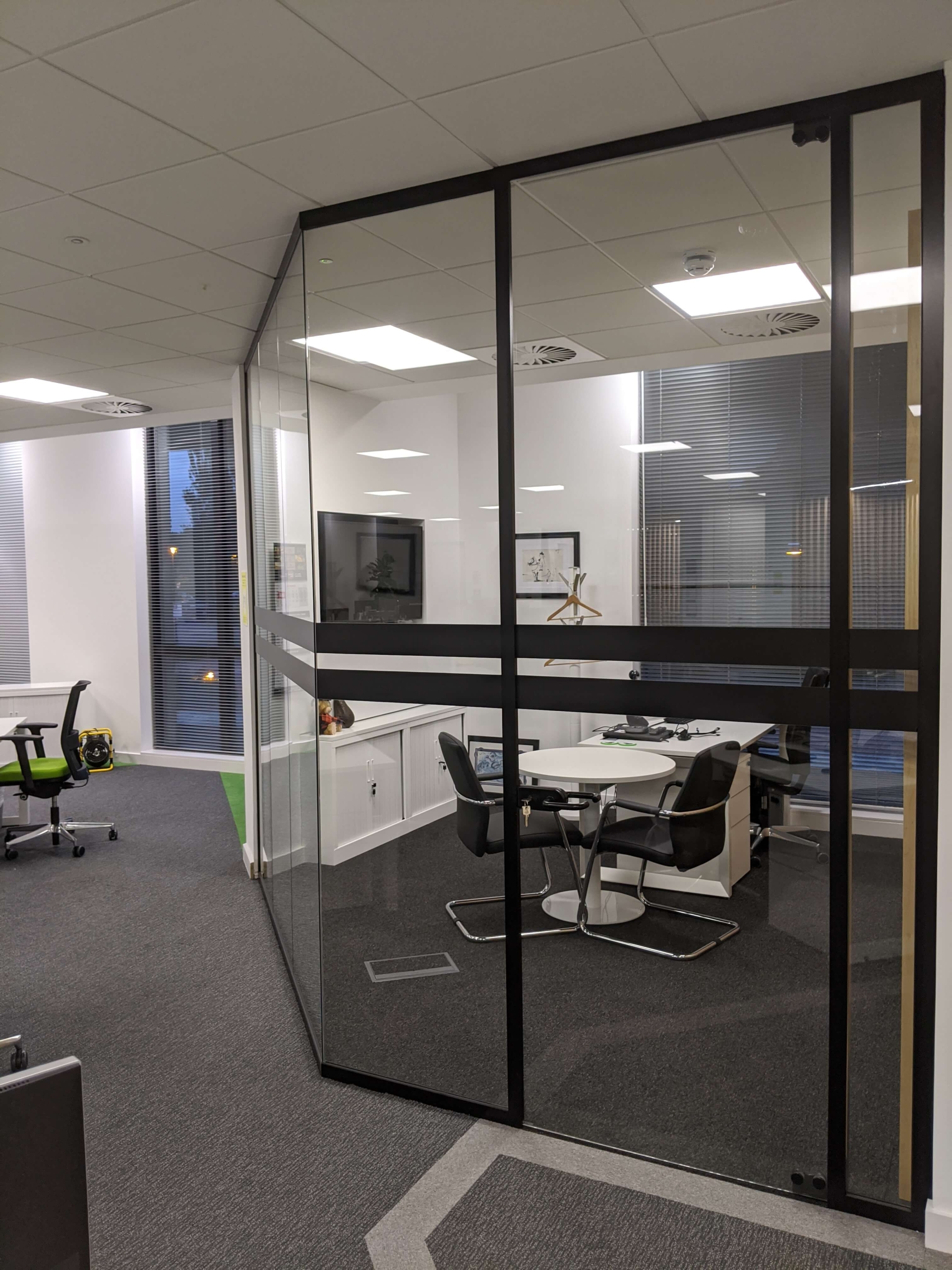
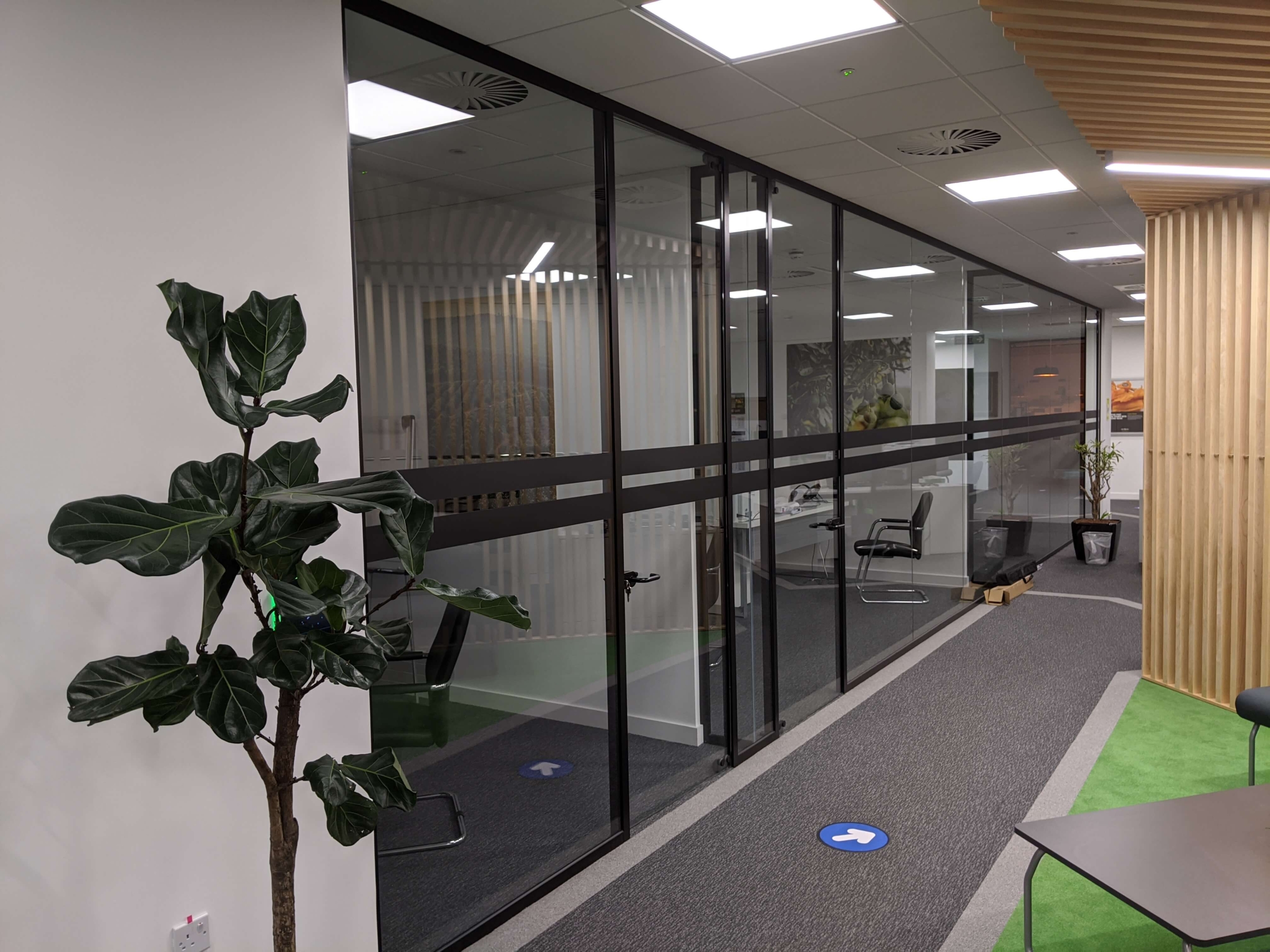
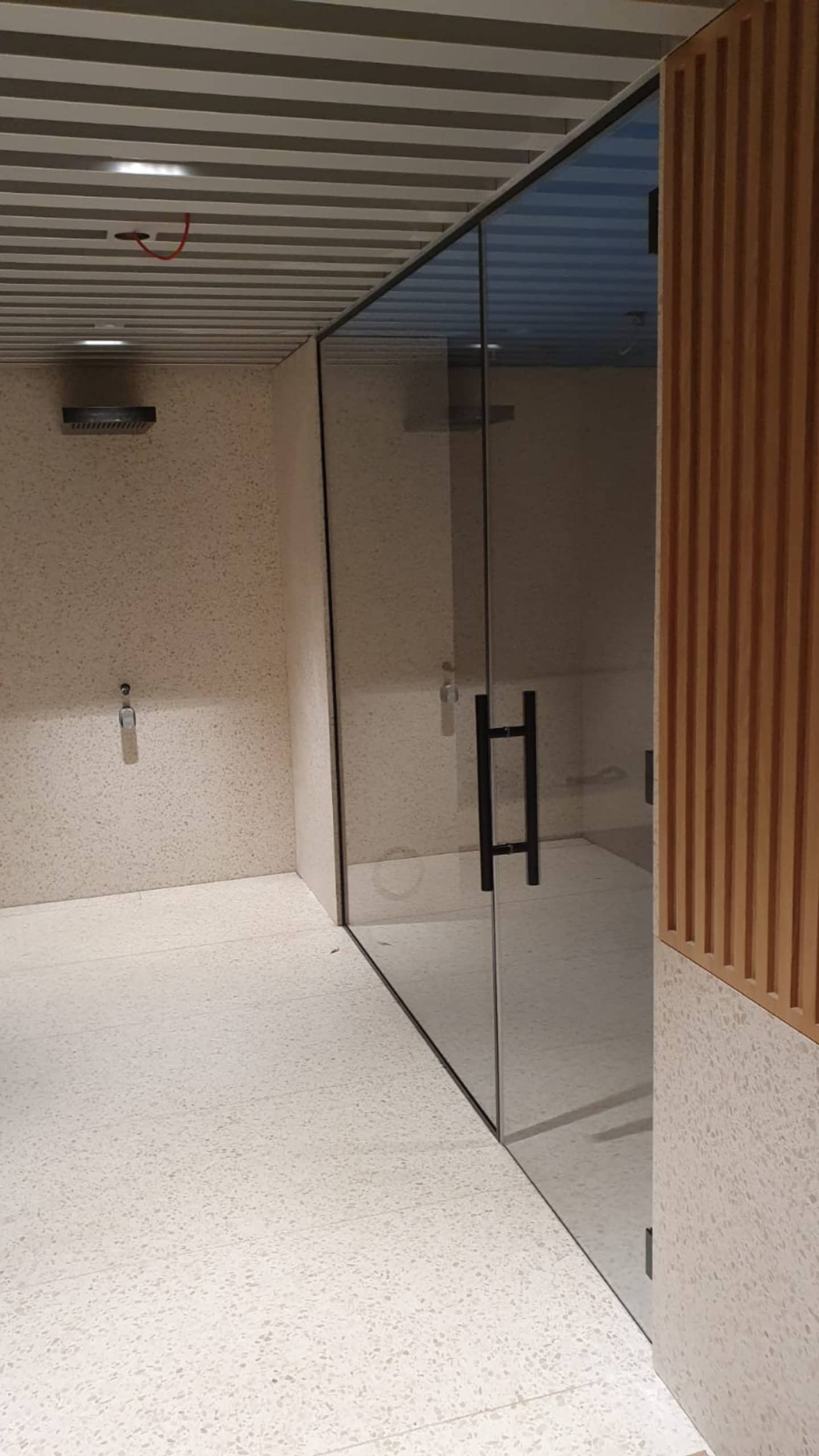
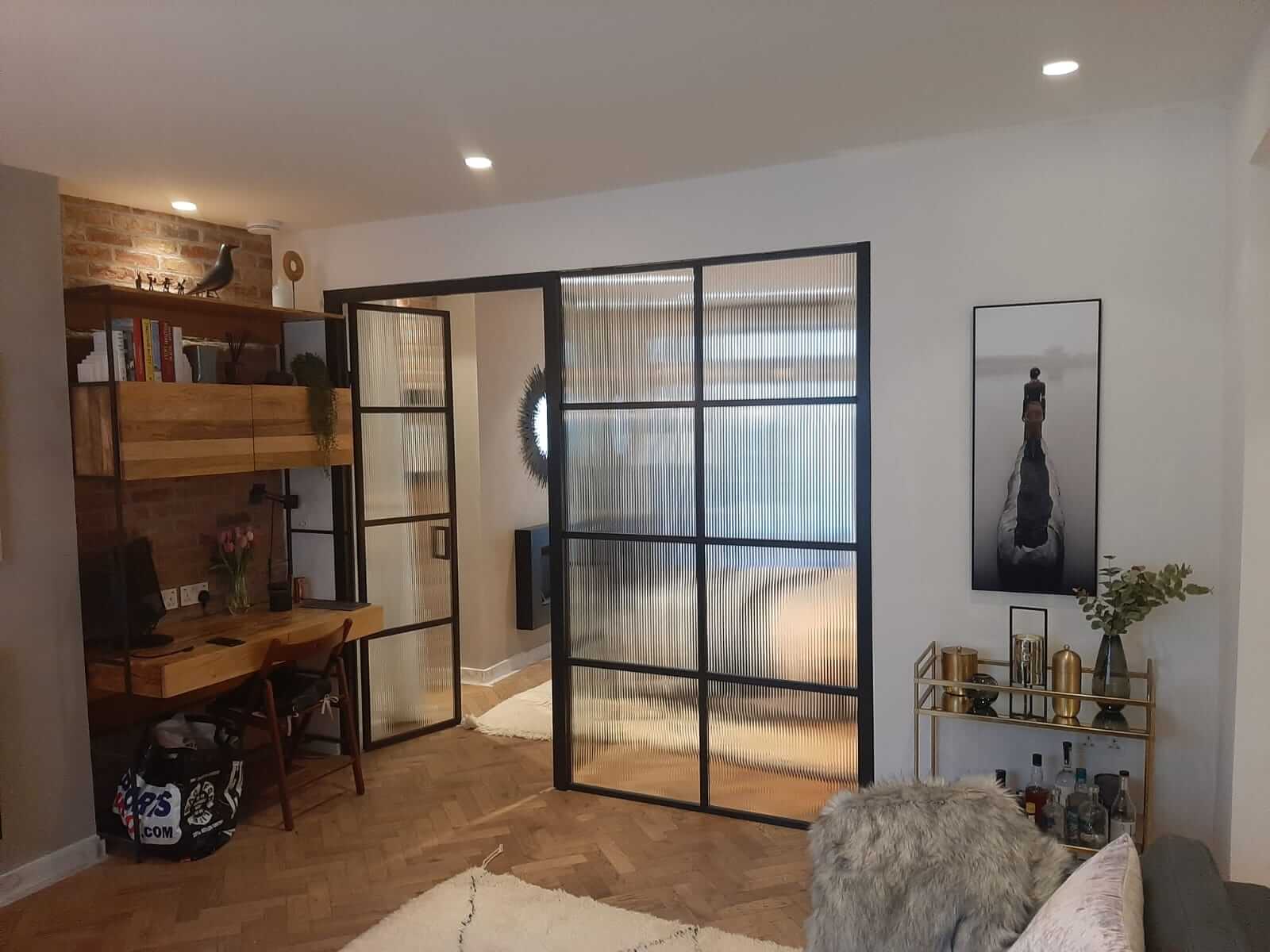
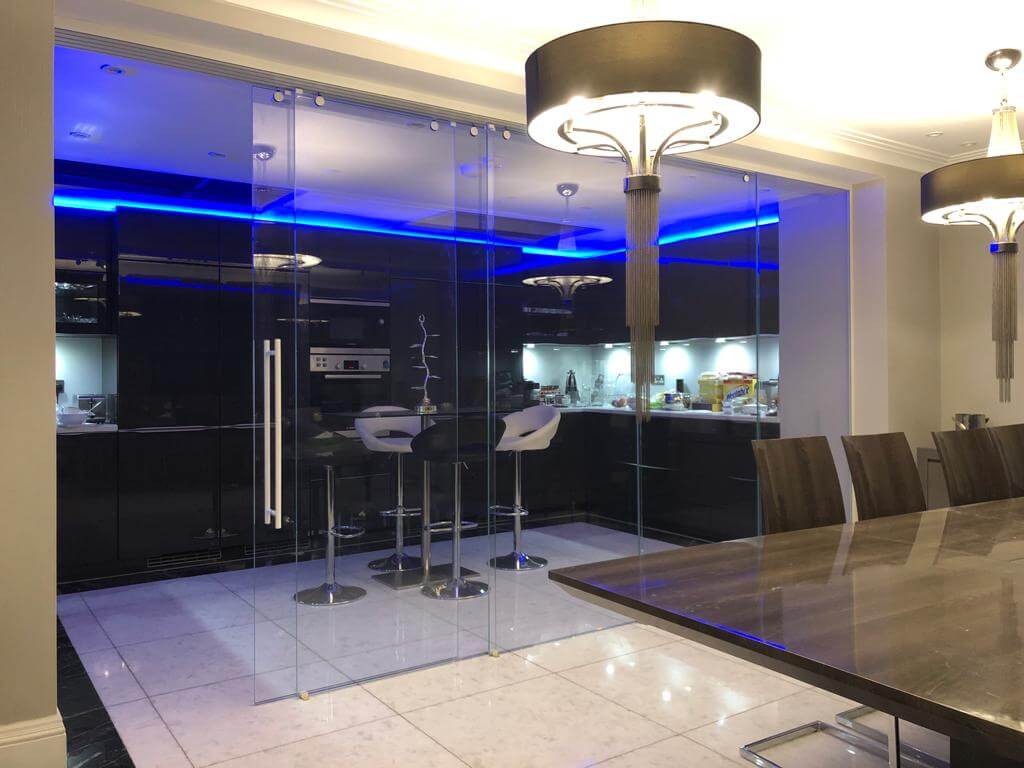
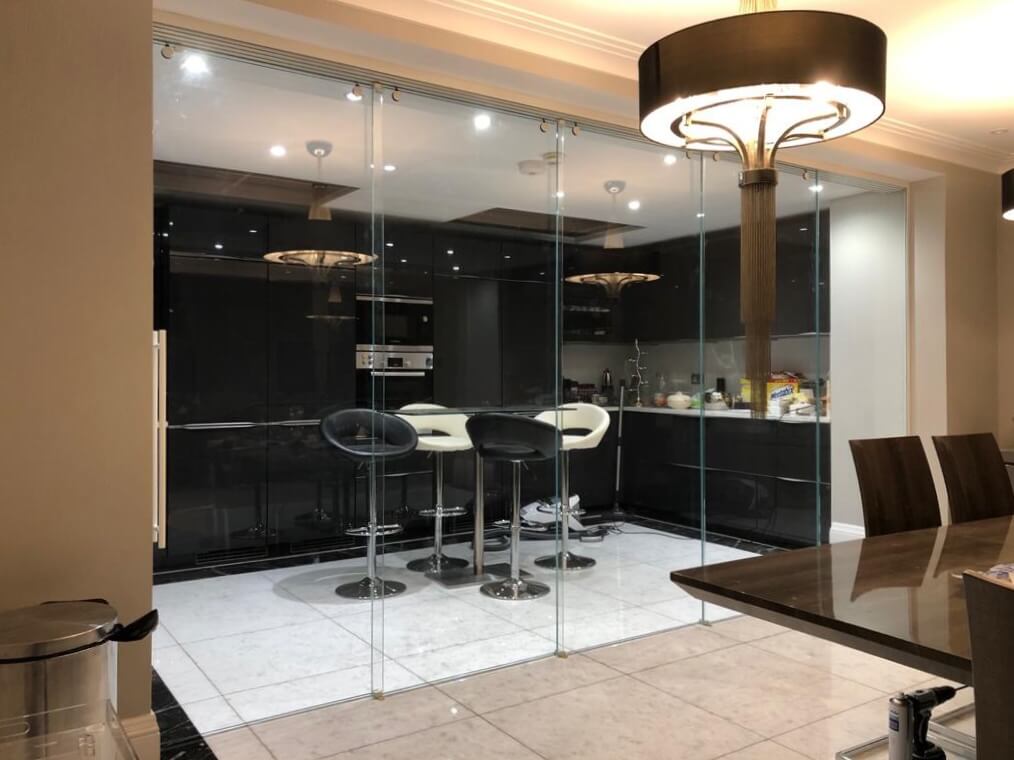
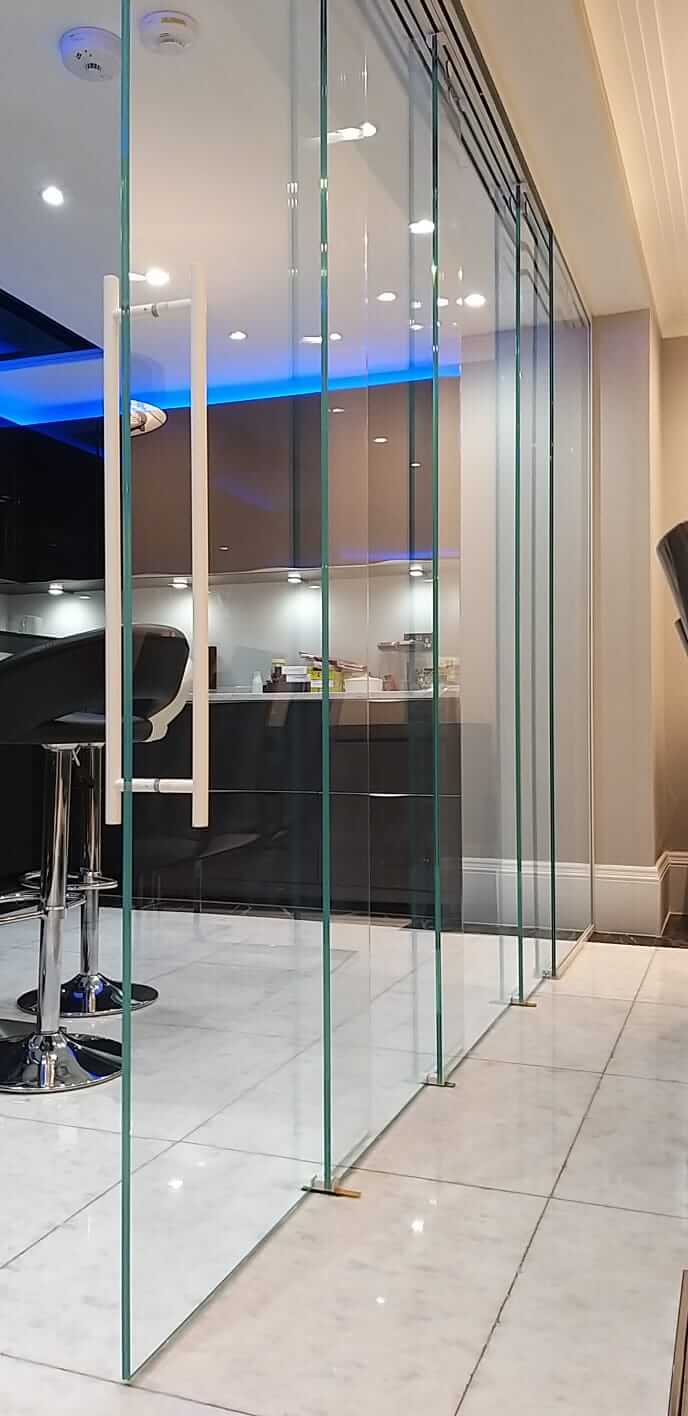
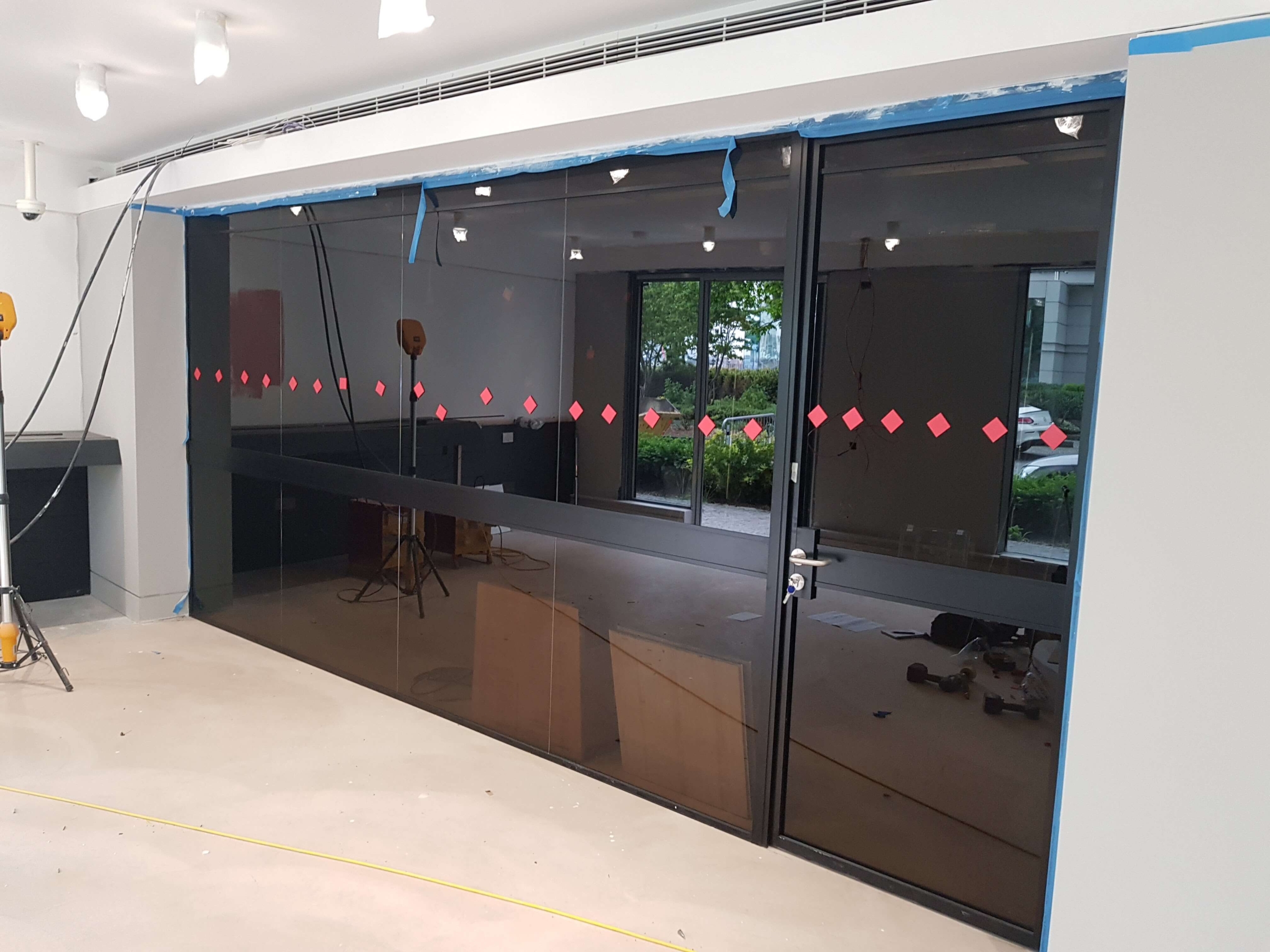
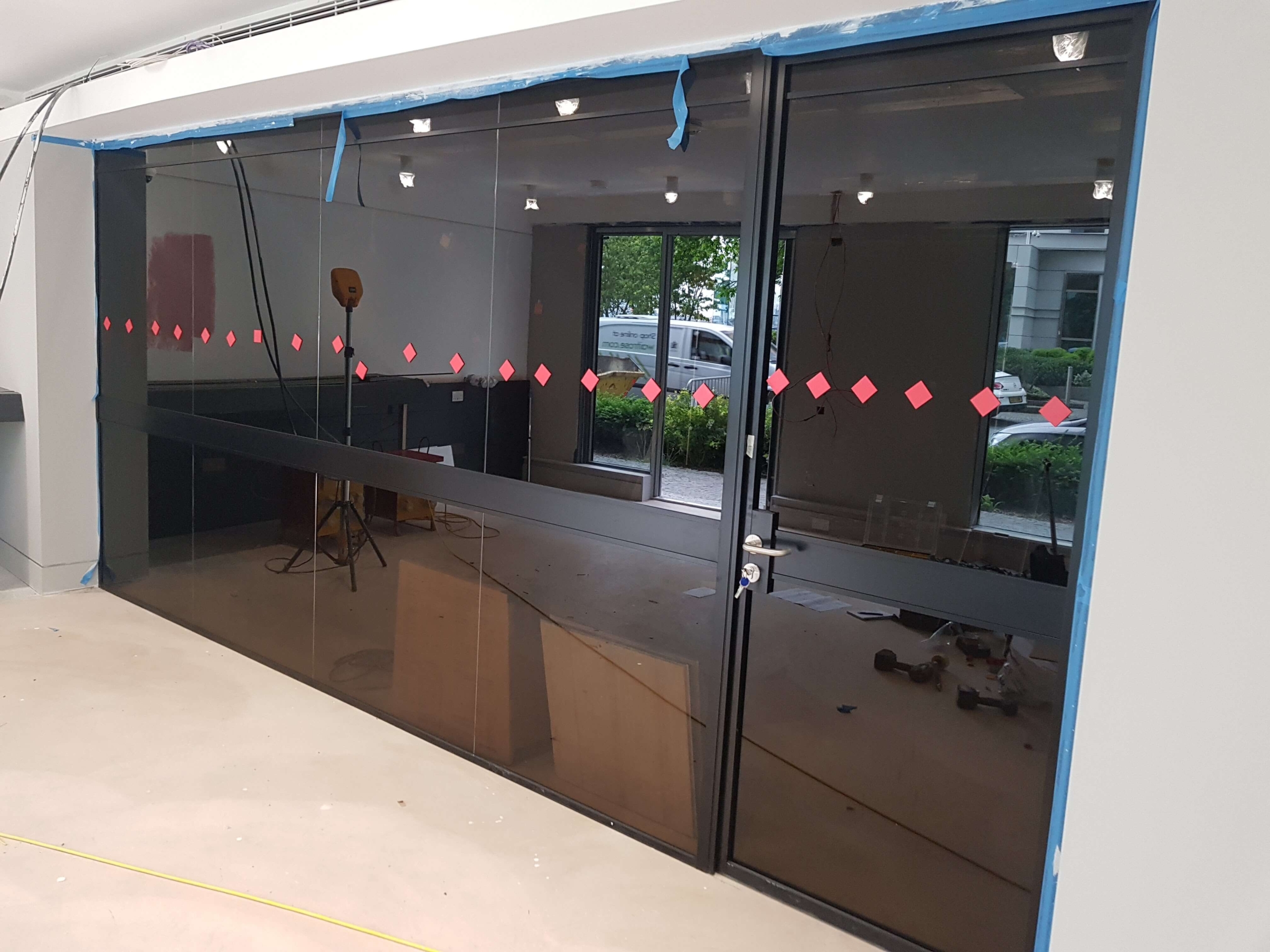
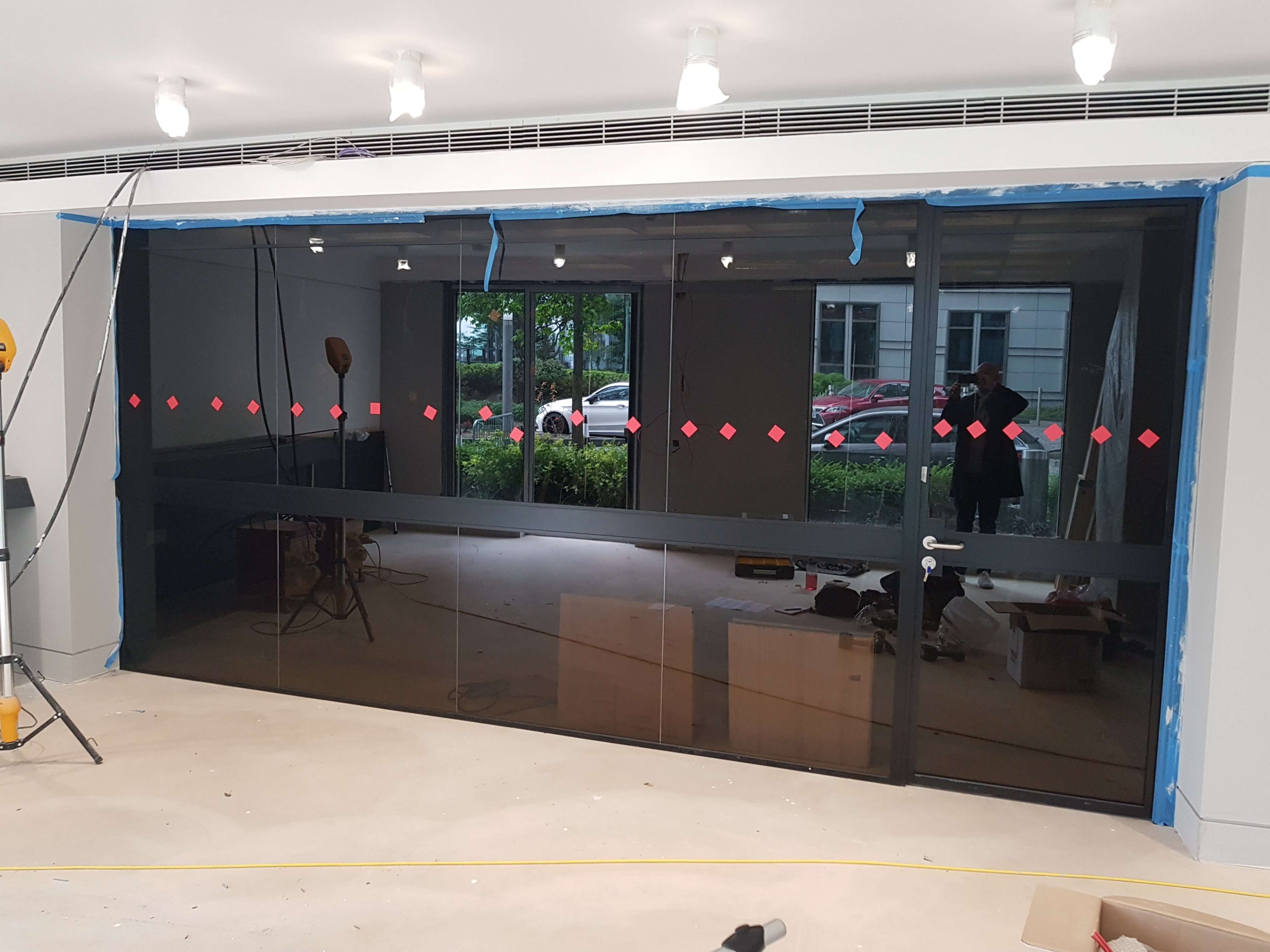
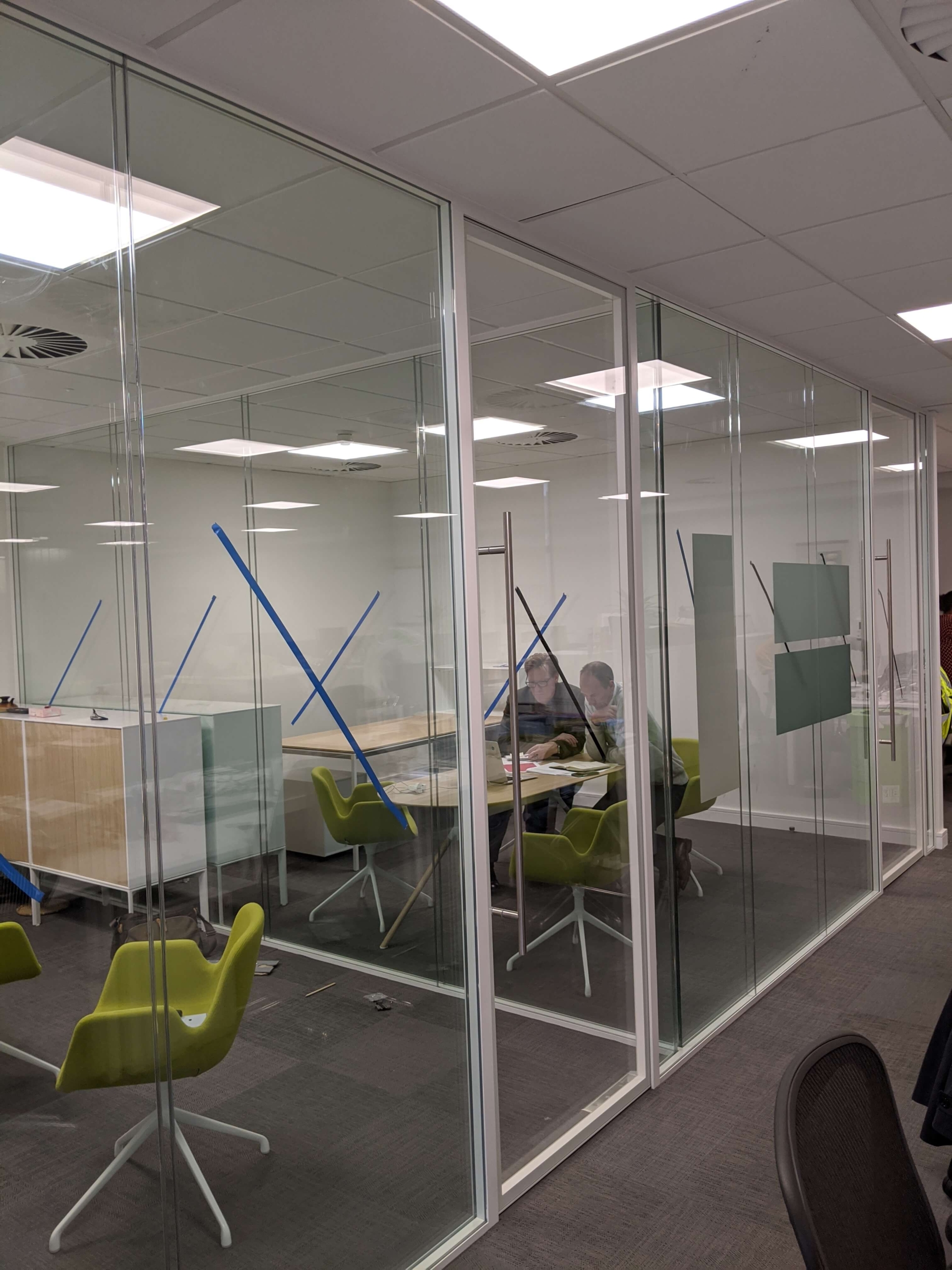
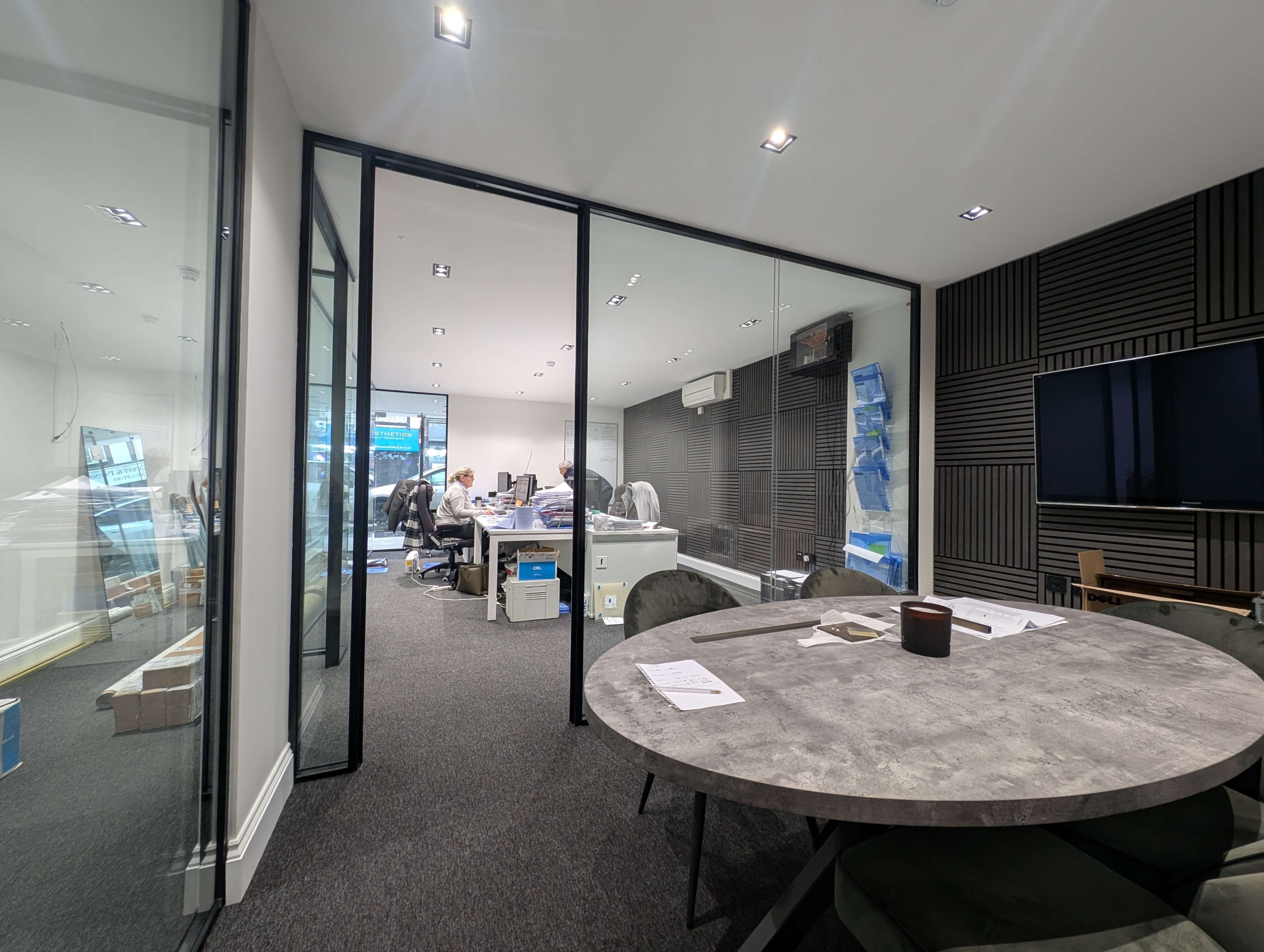
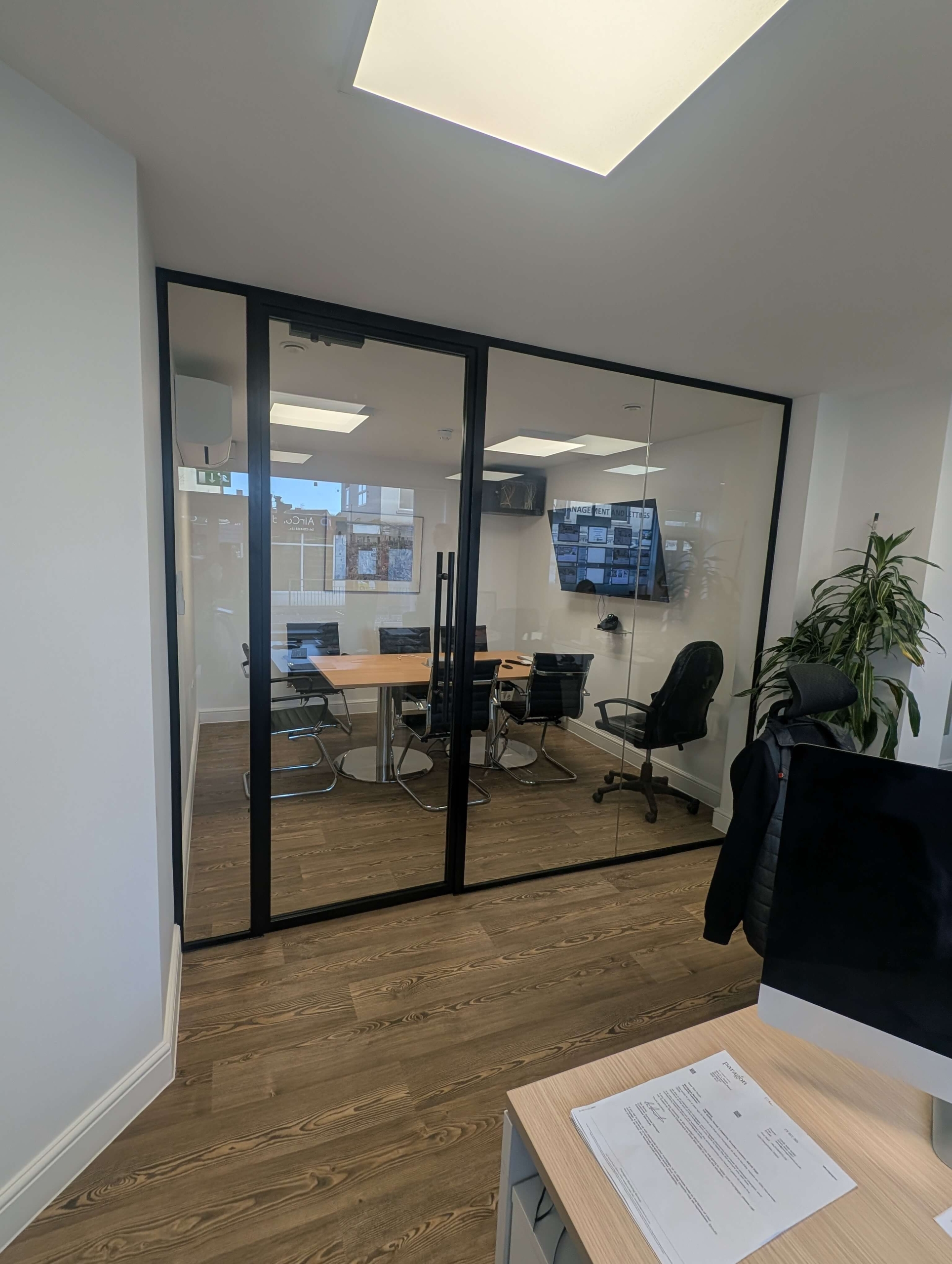
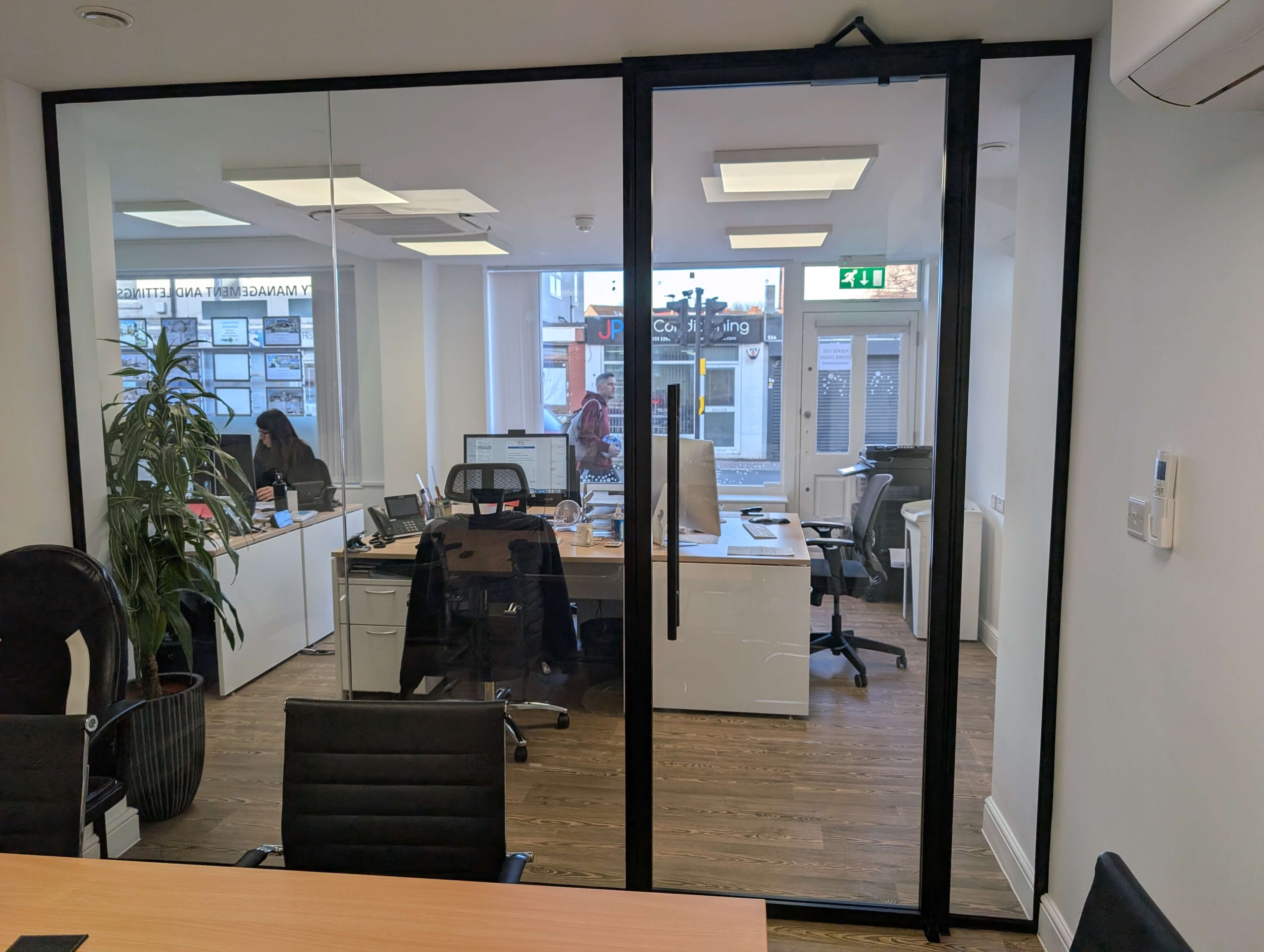
Frameless Glass Partitions
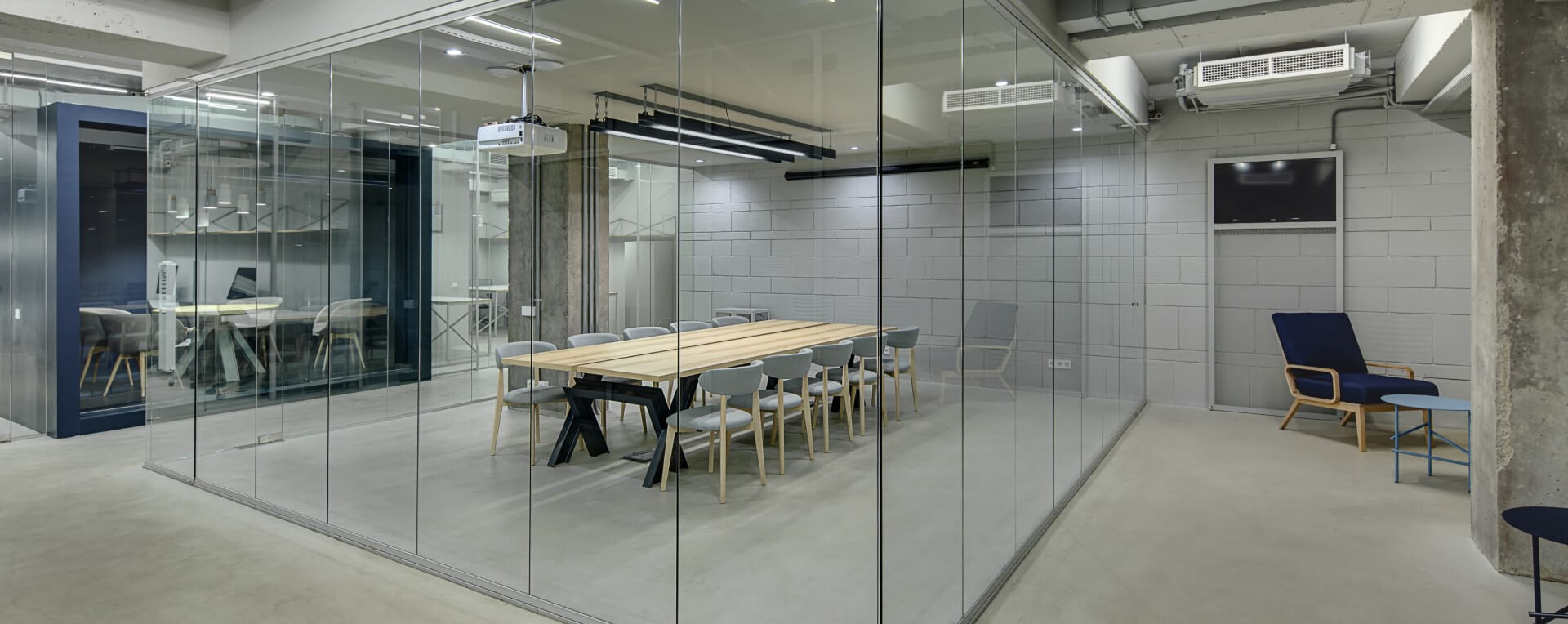
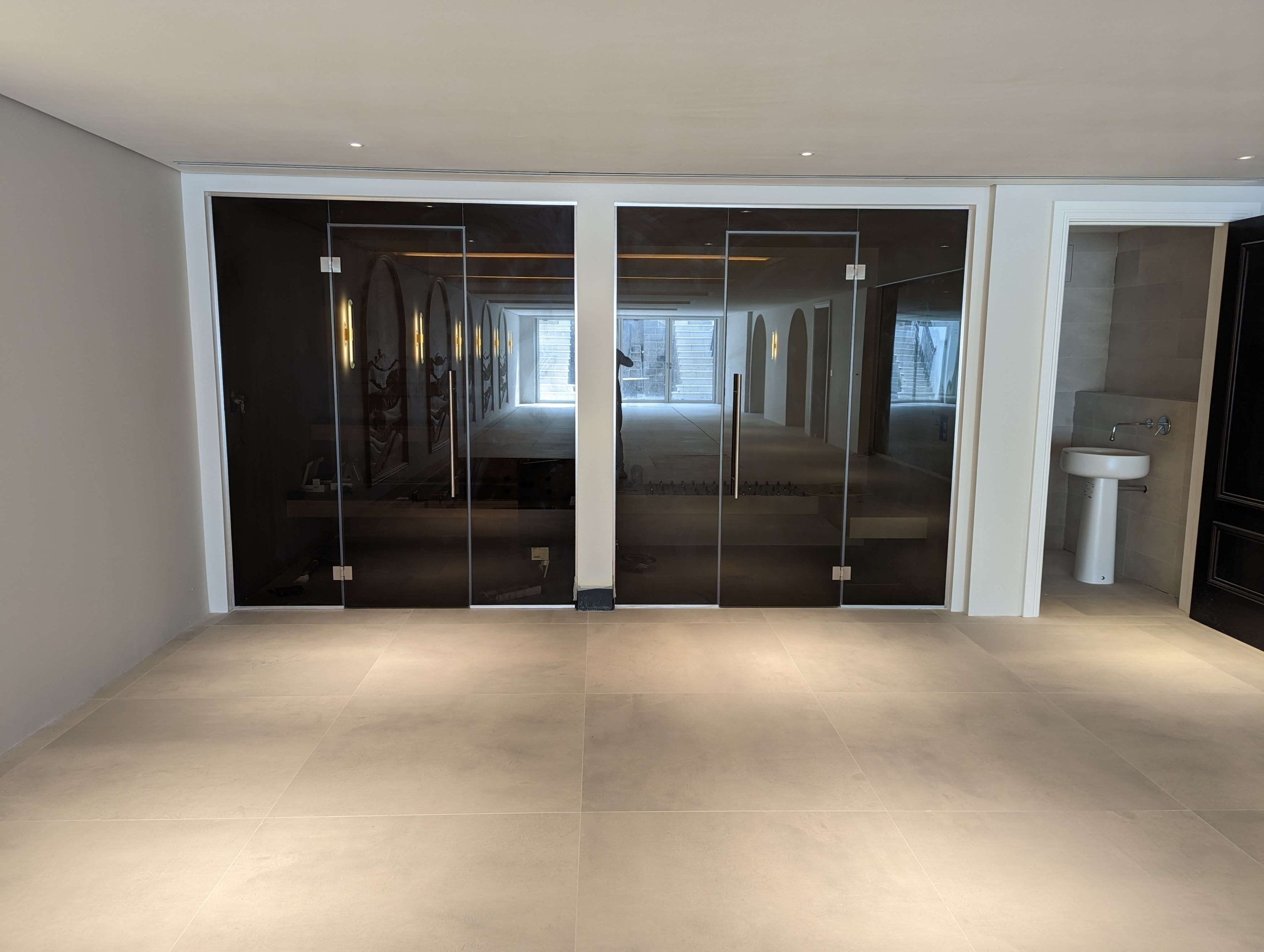
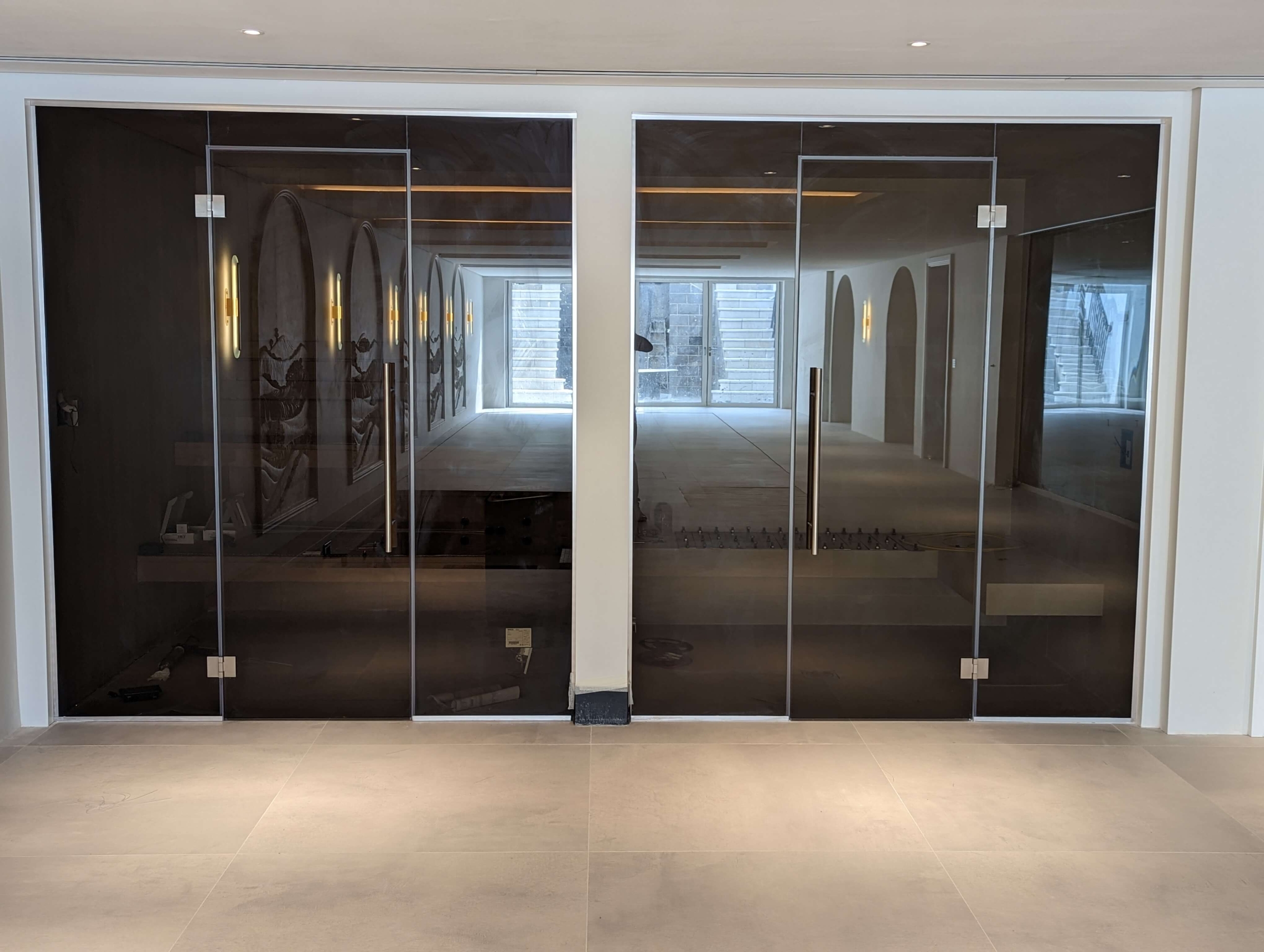
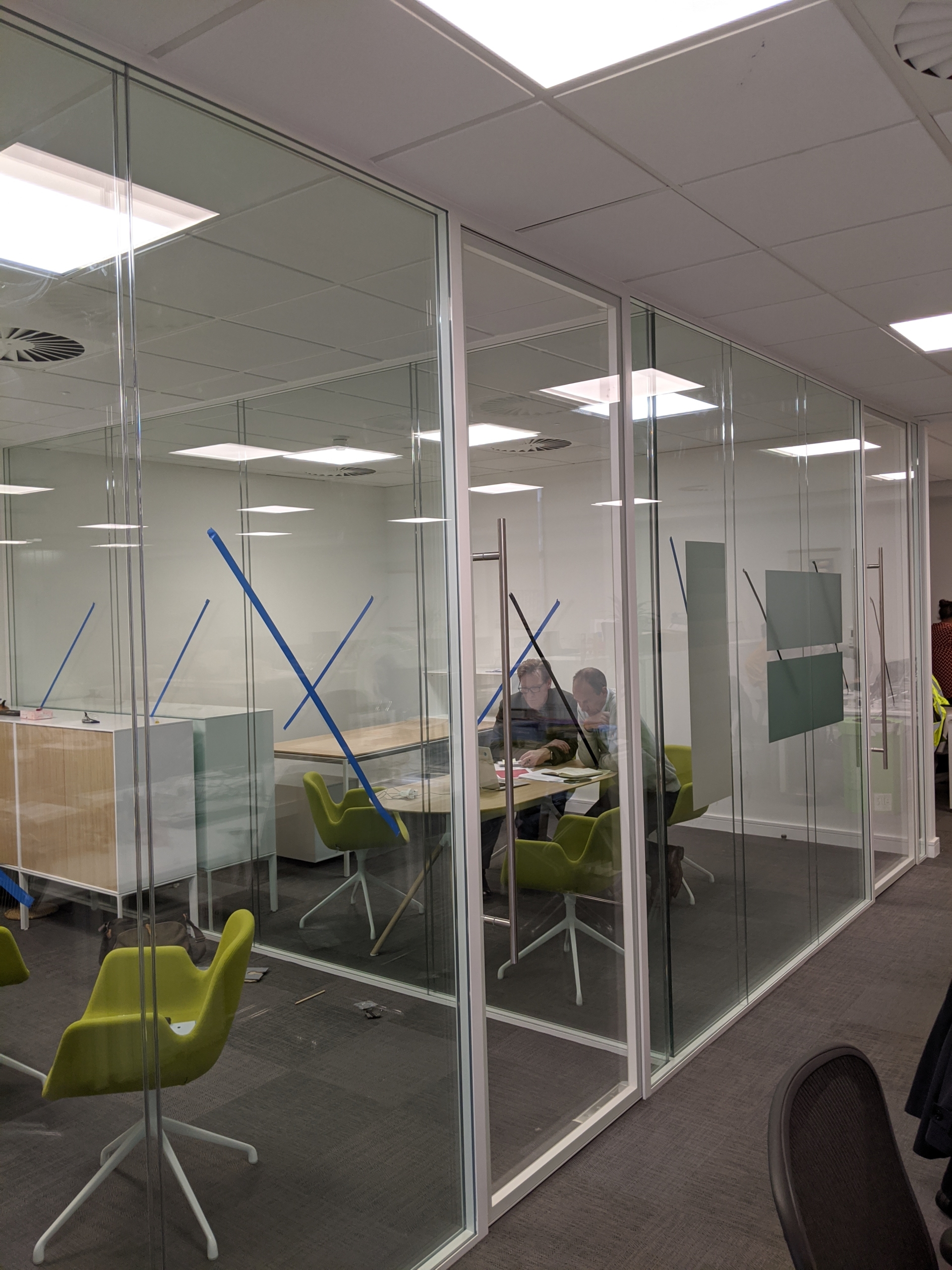
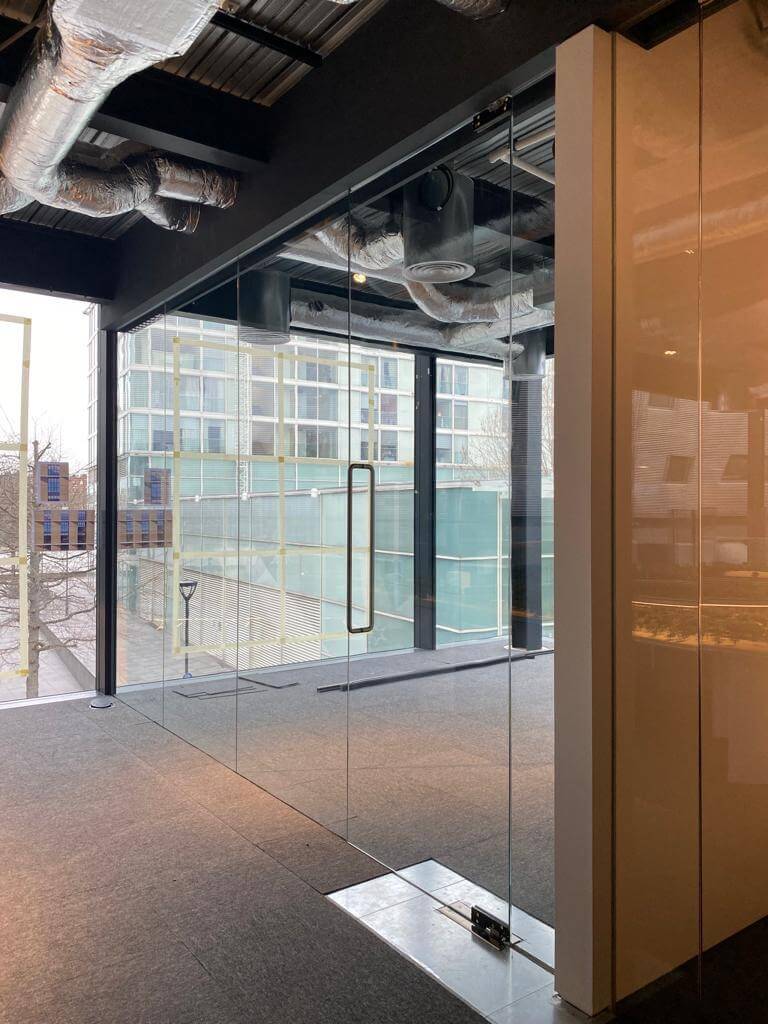
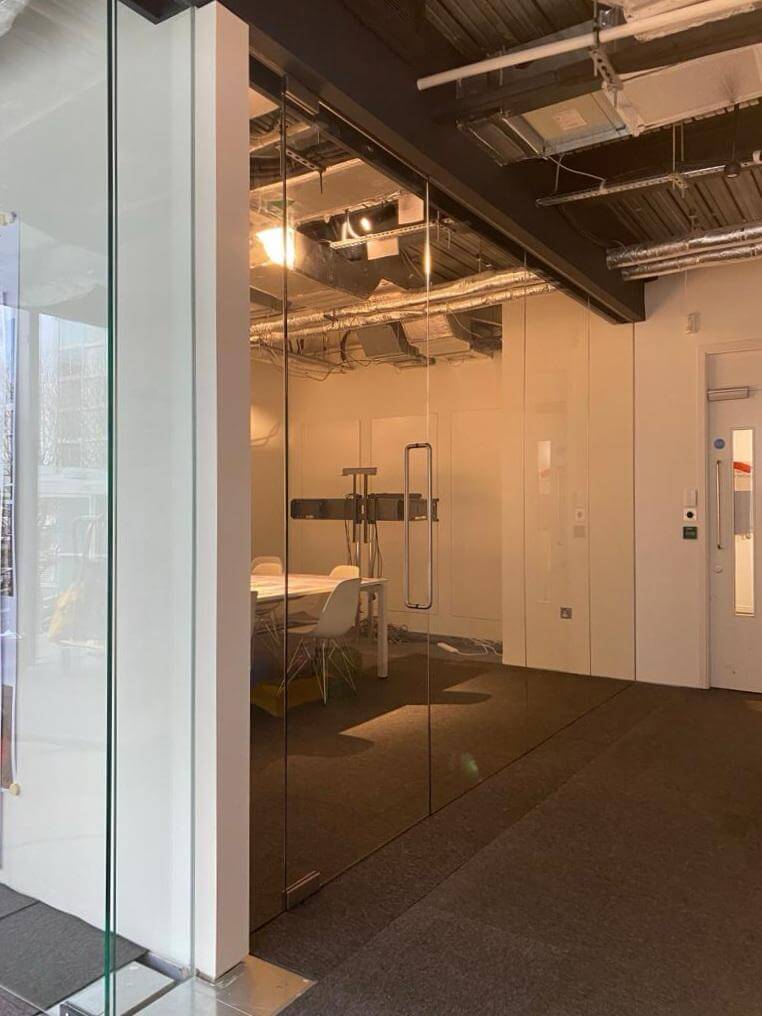
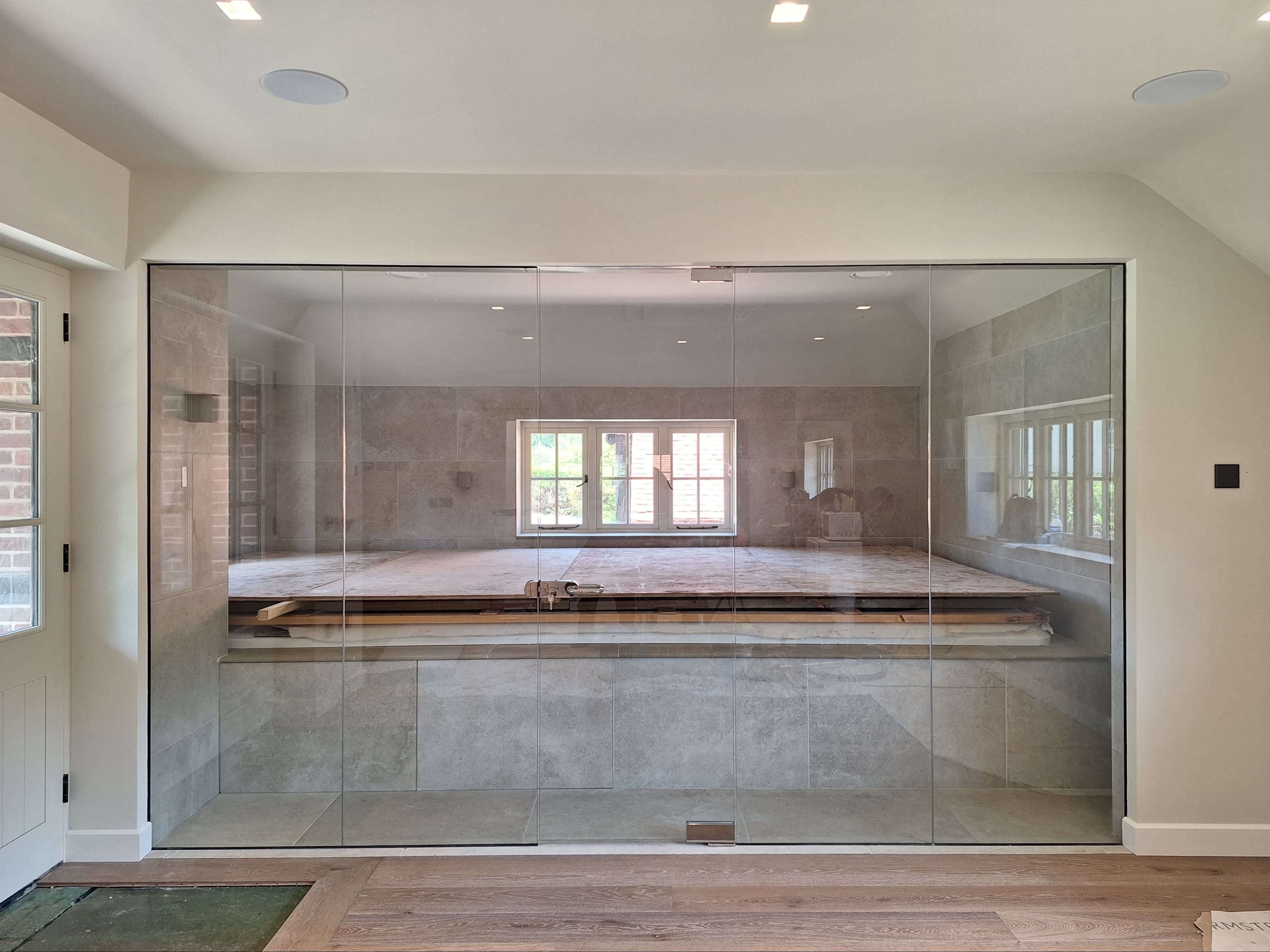
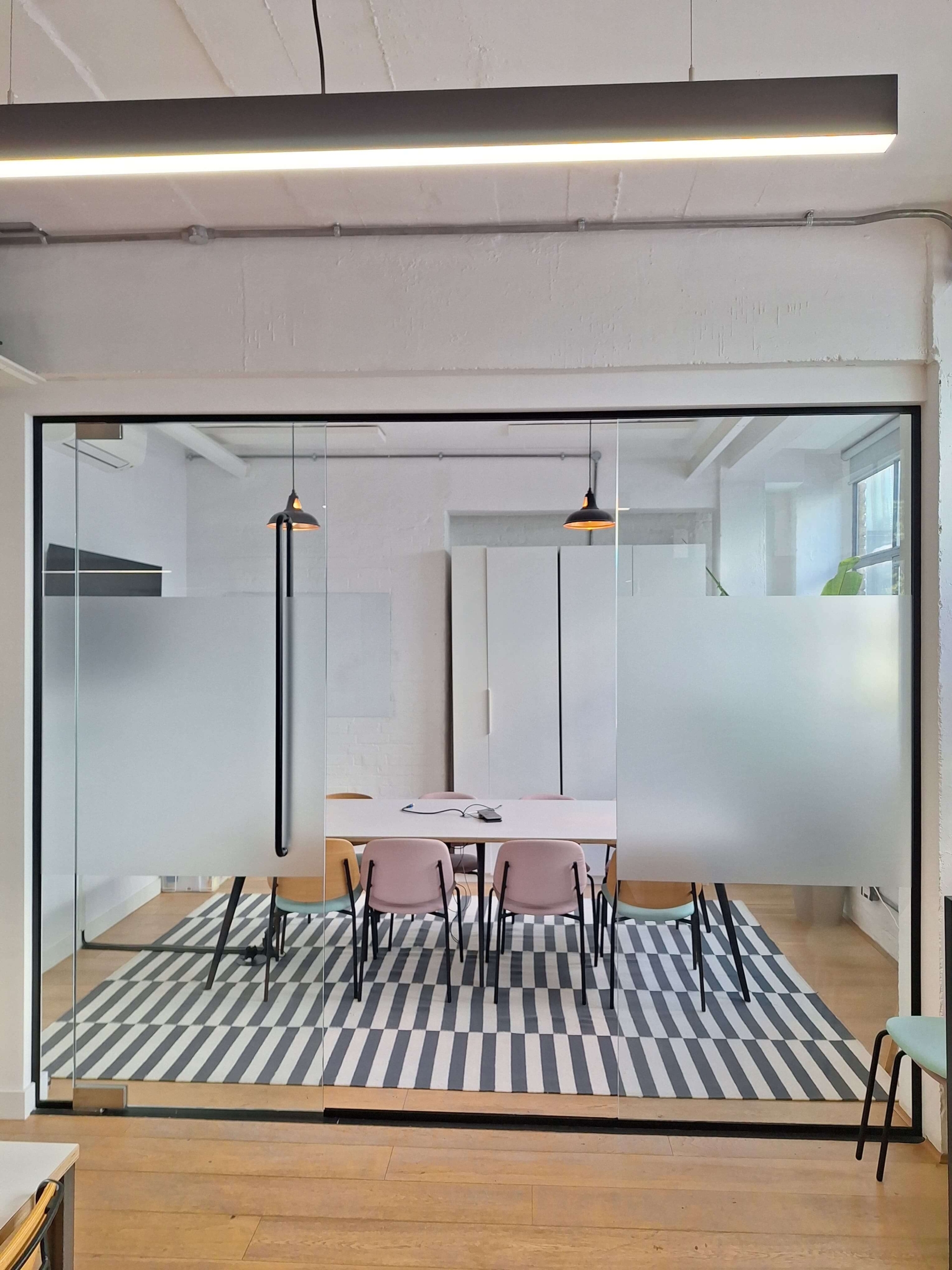
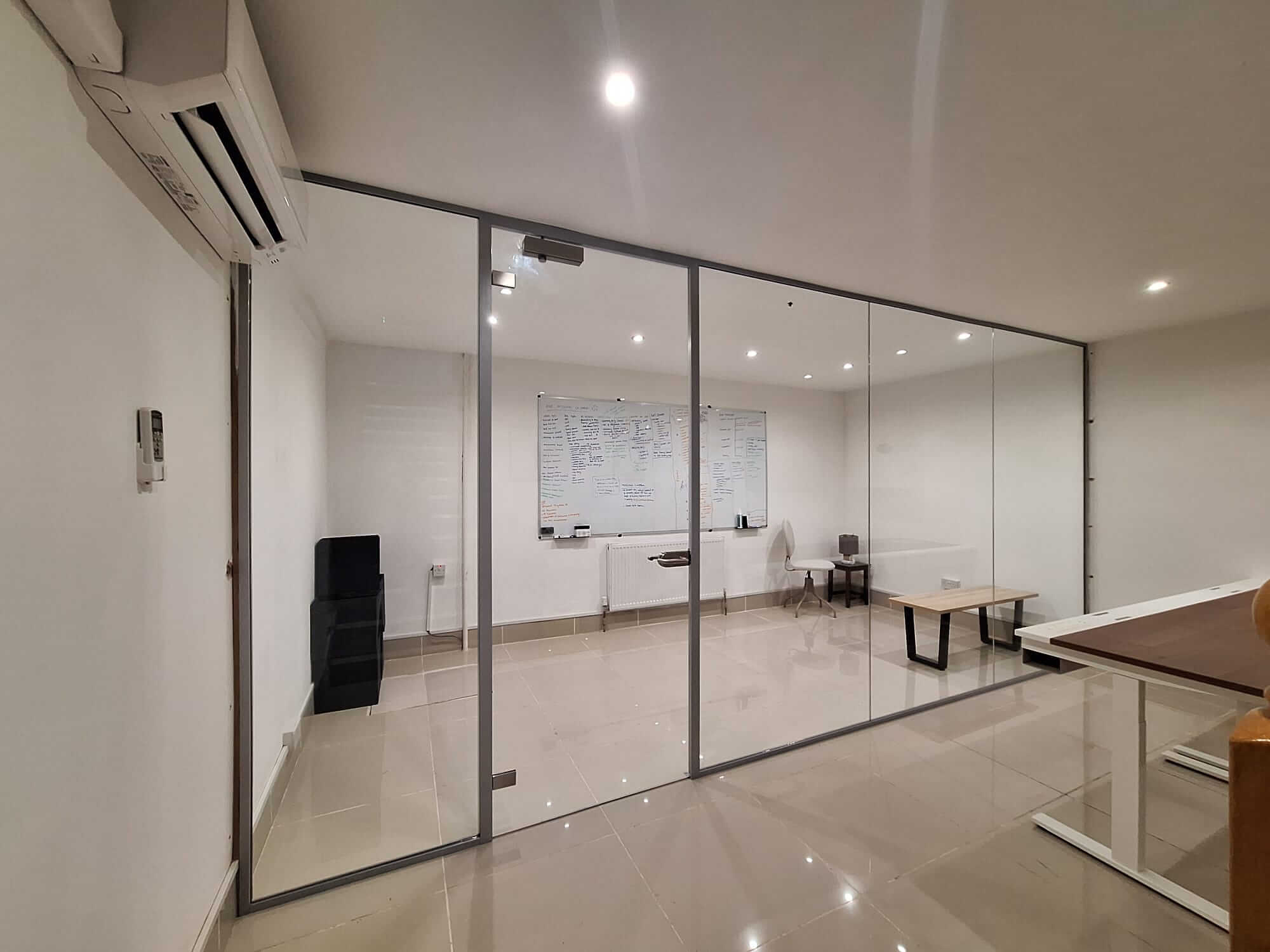
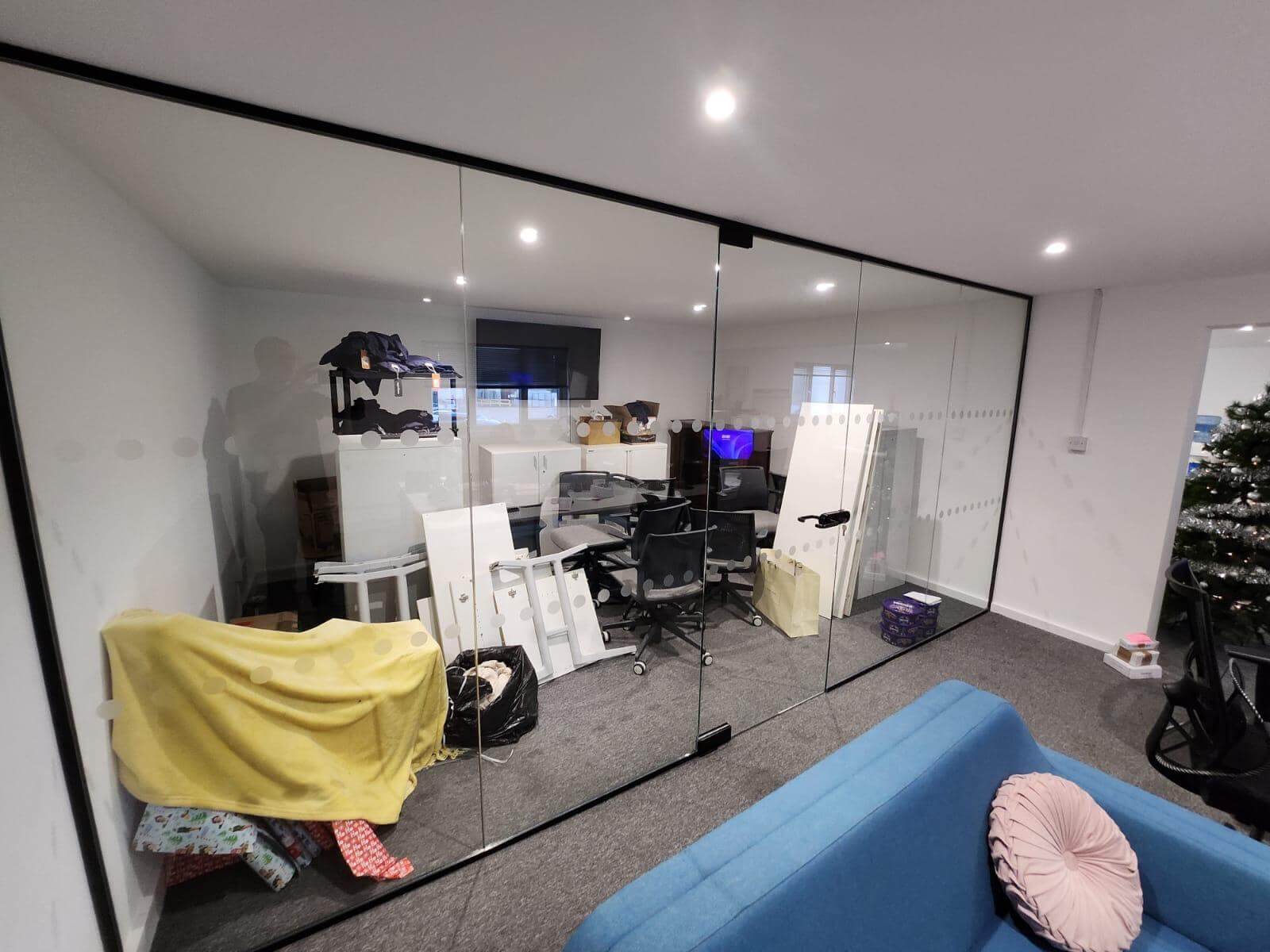
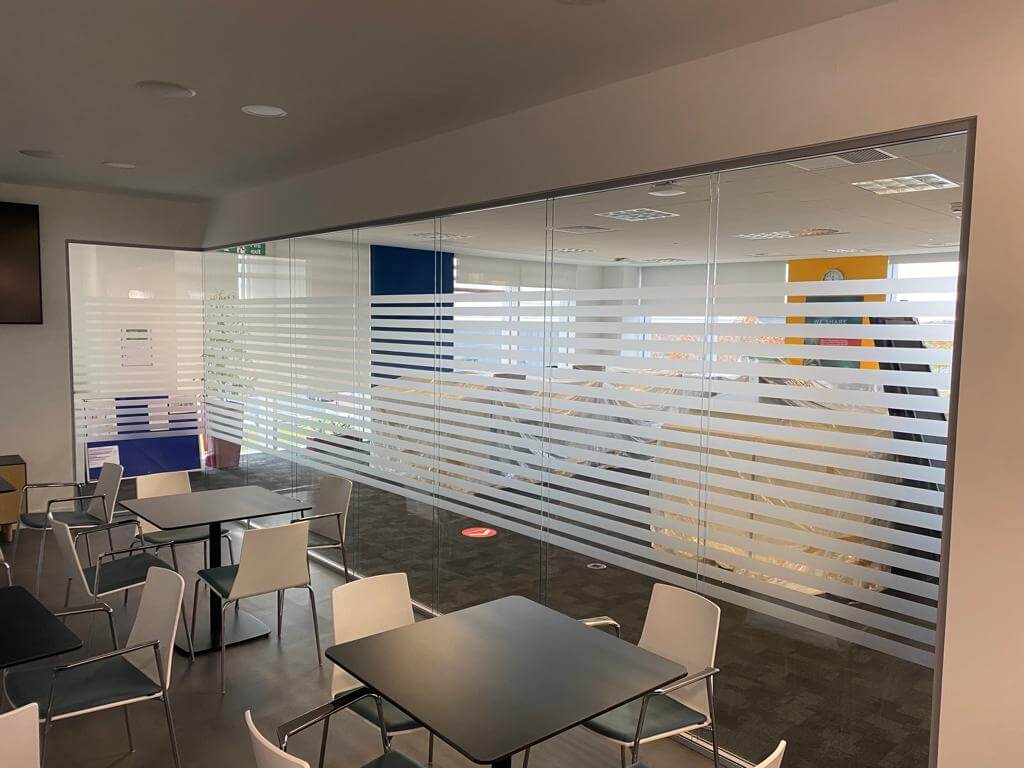
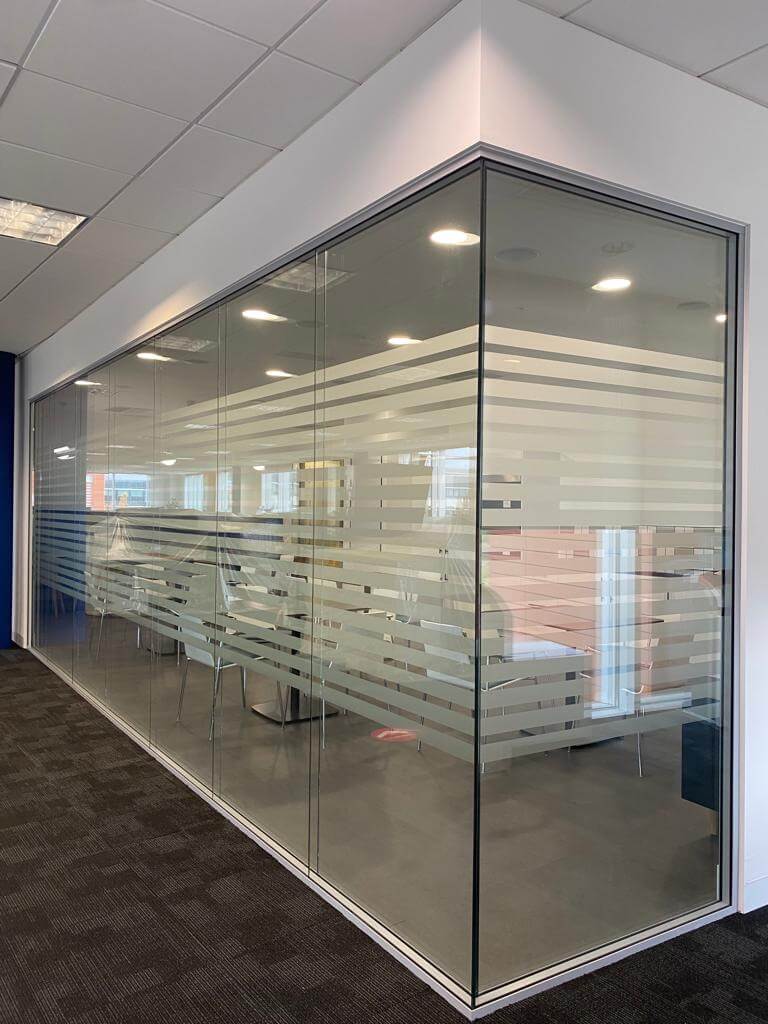
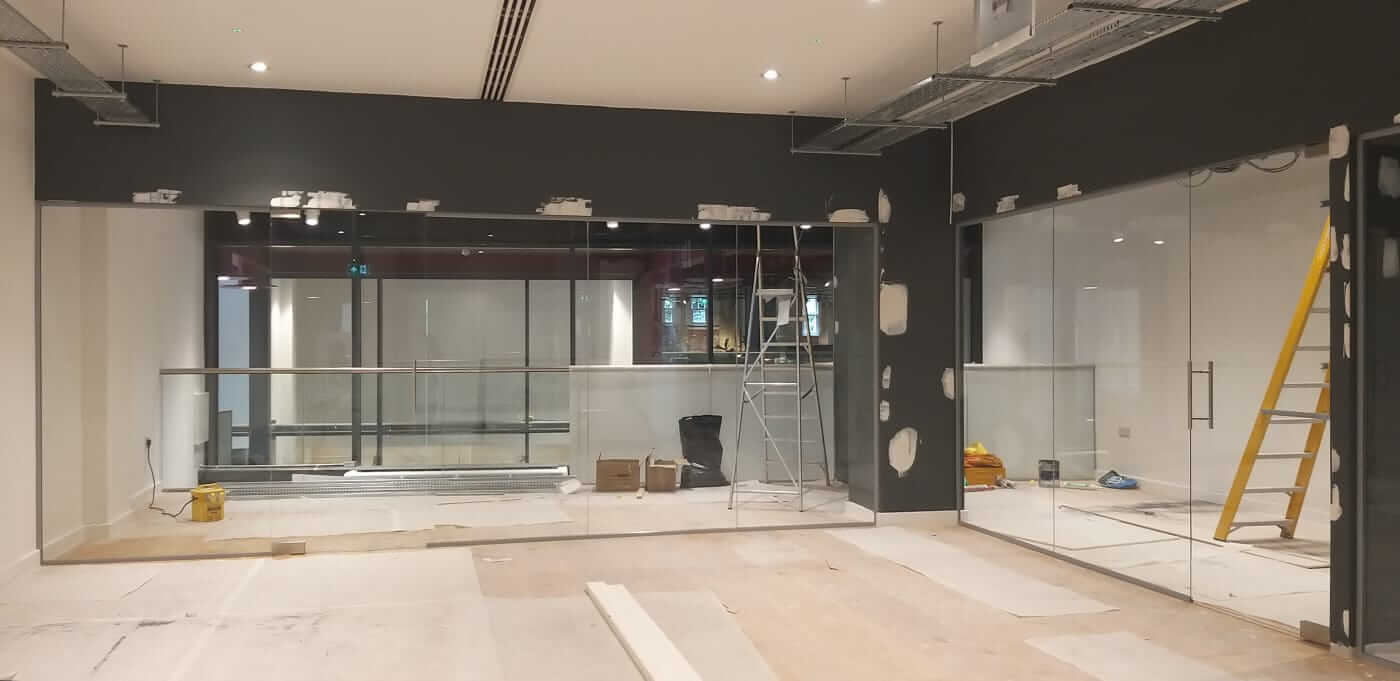
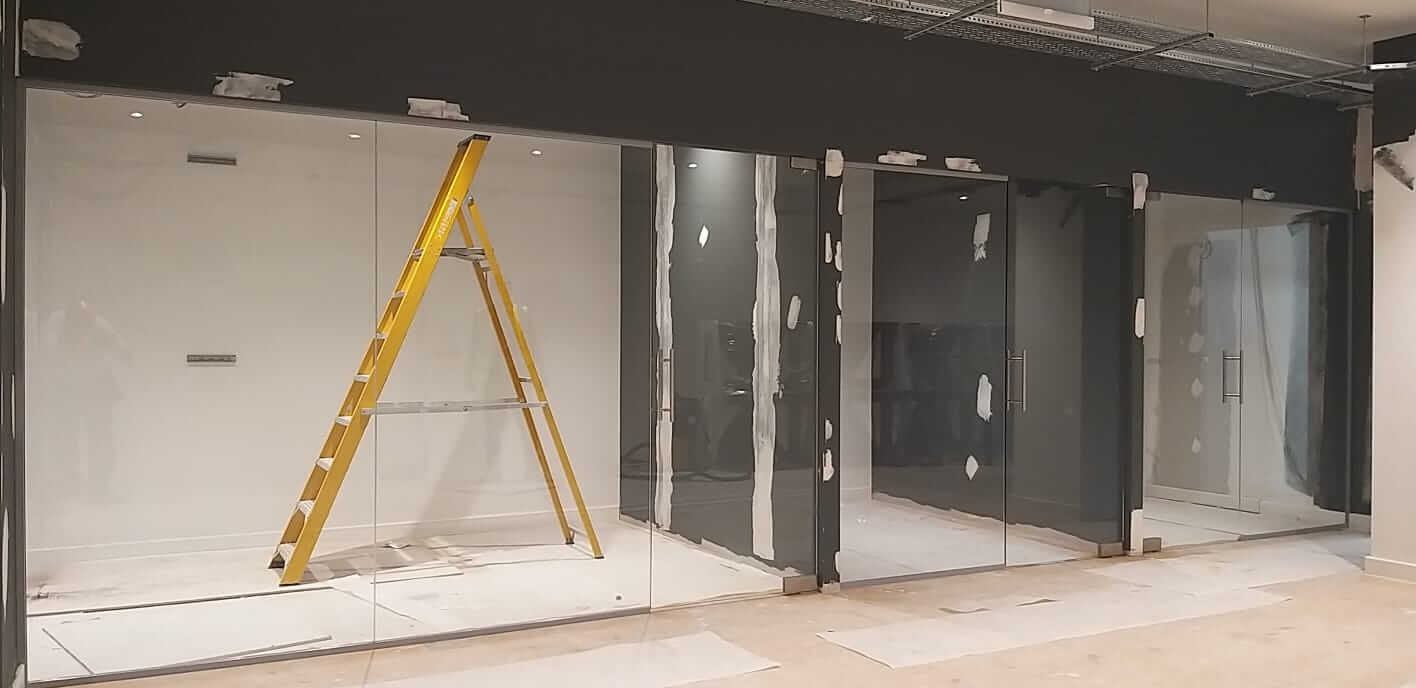
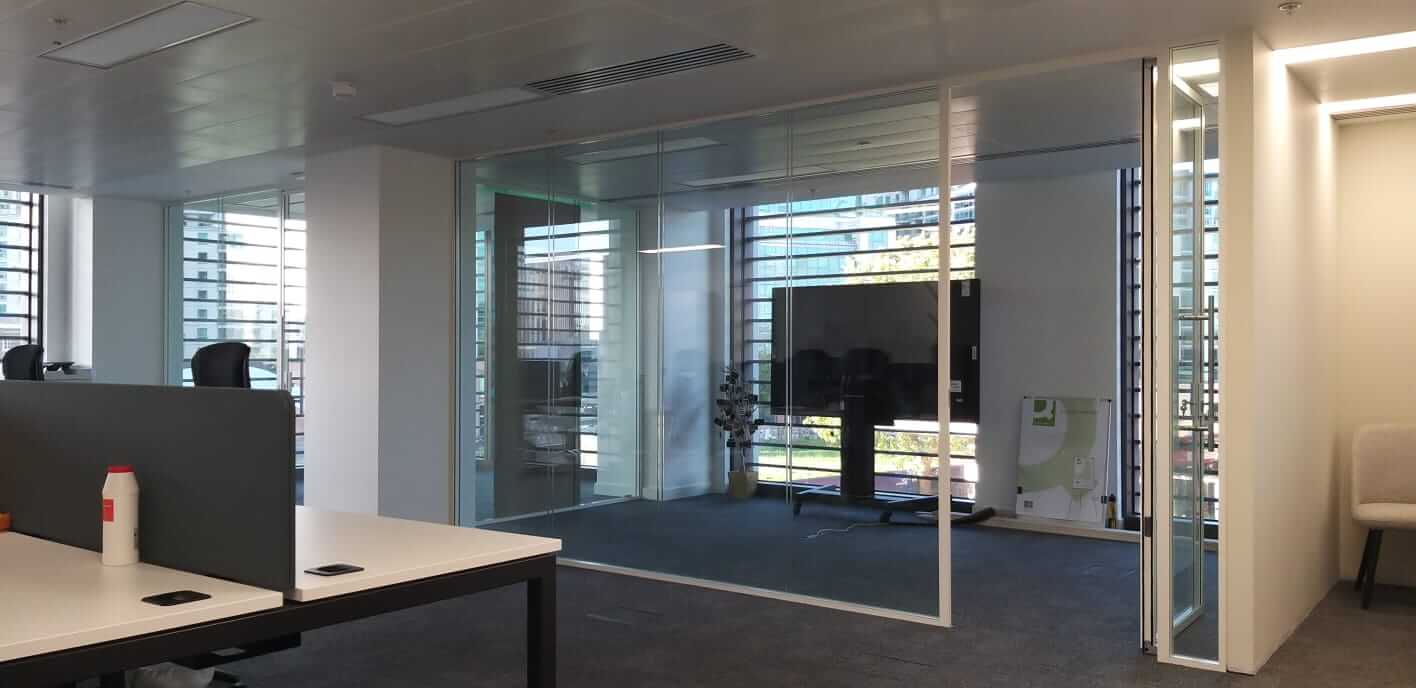
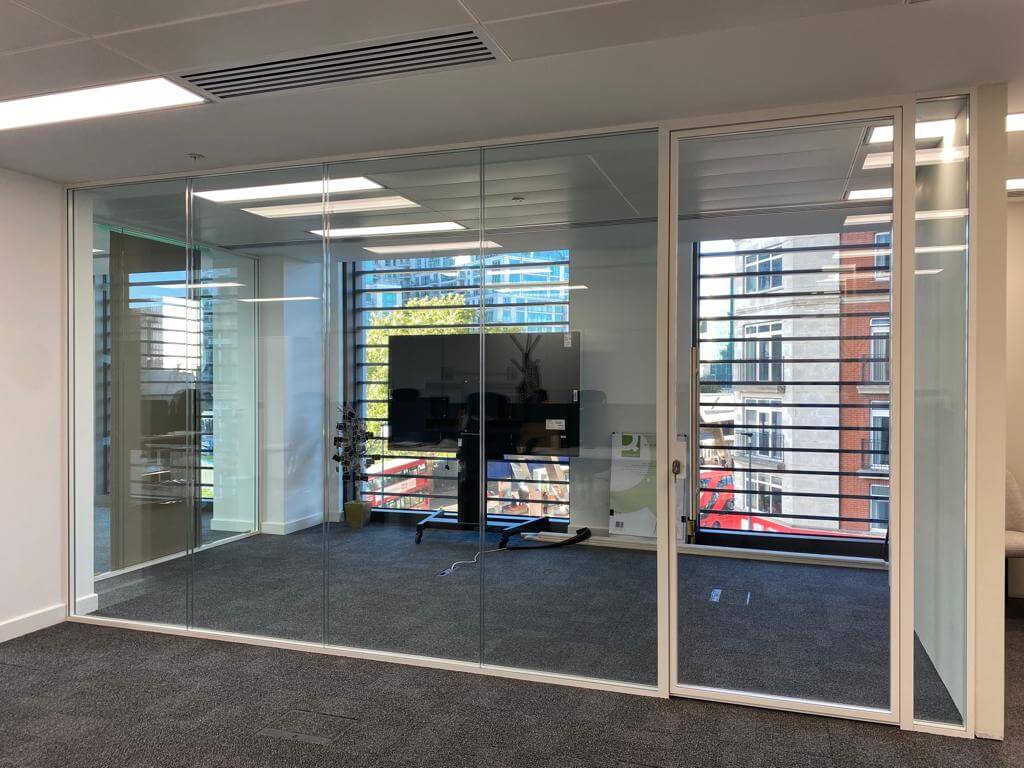
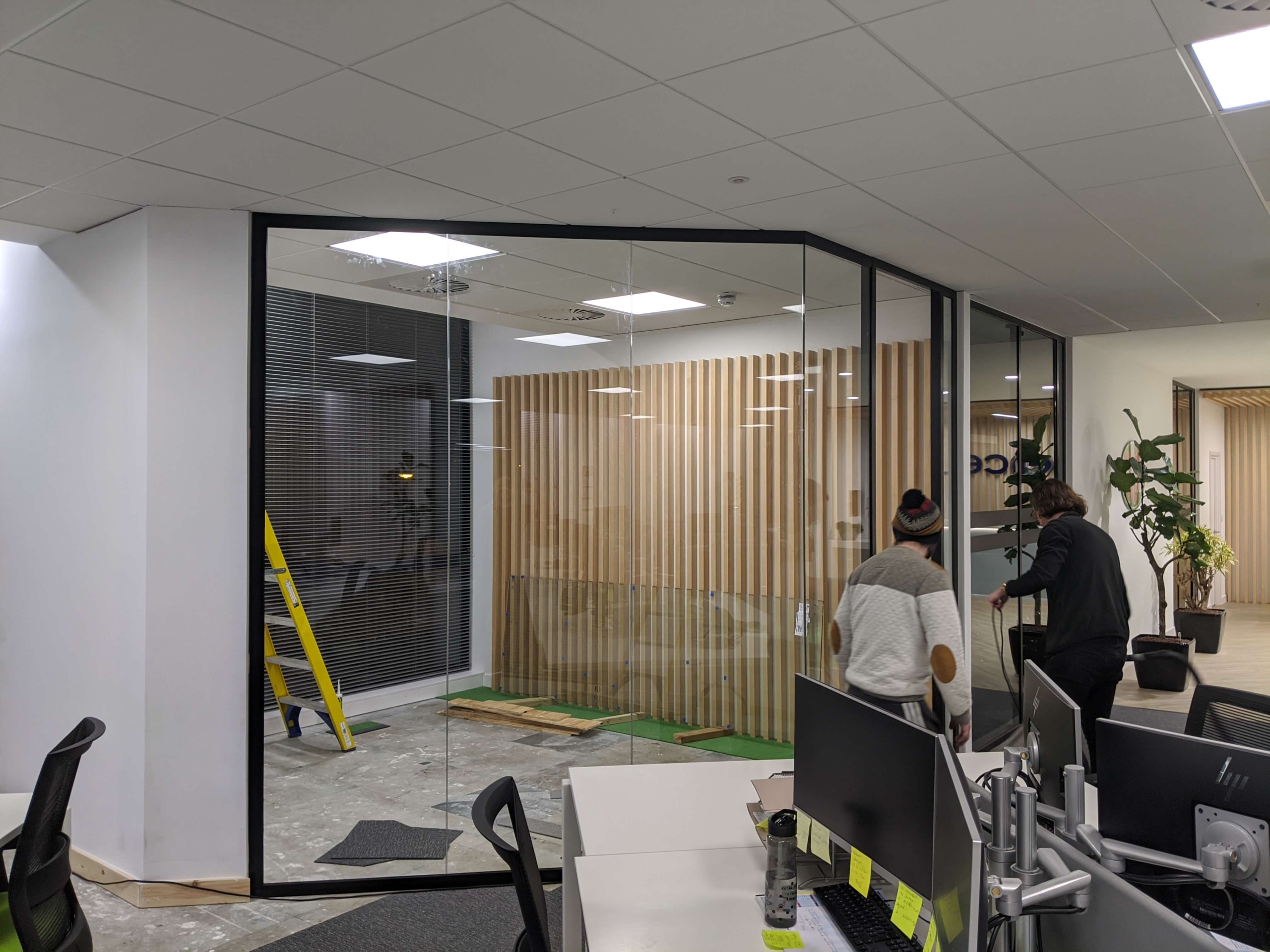
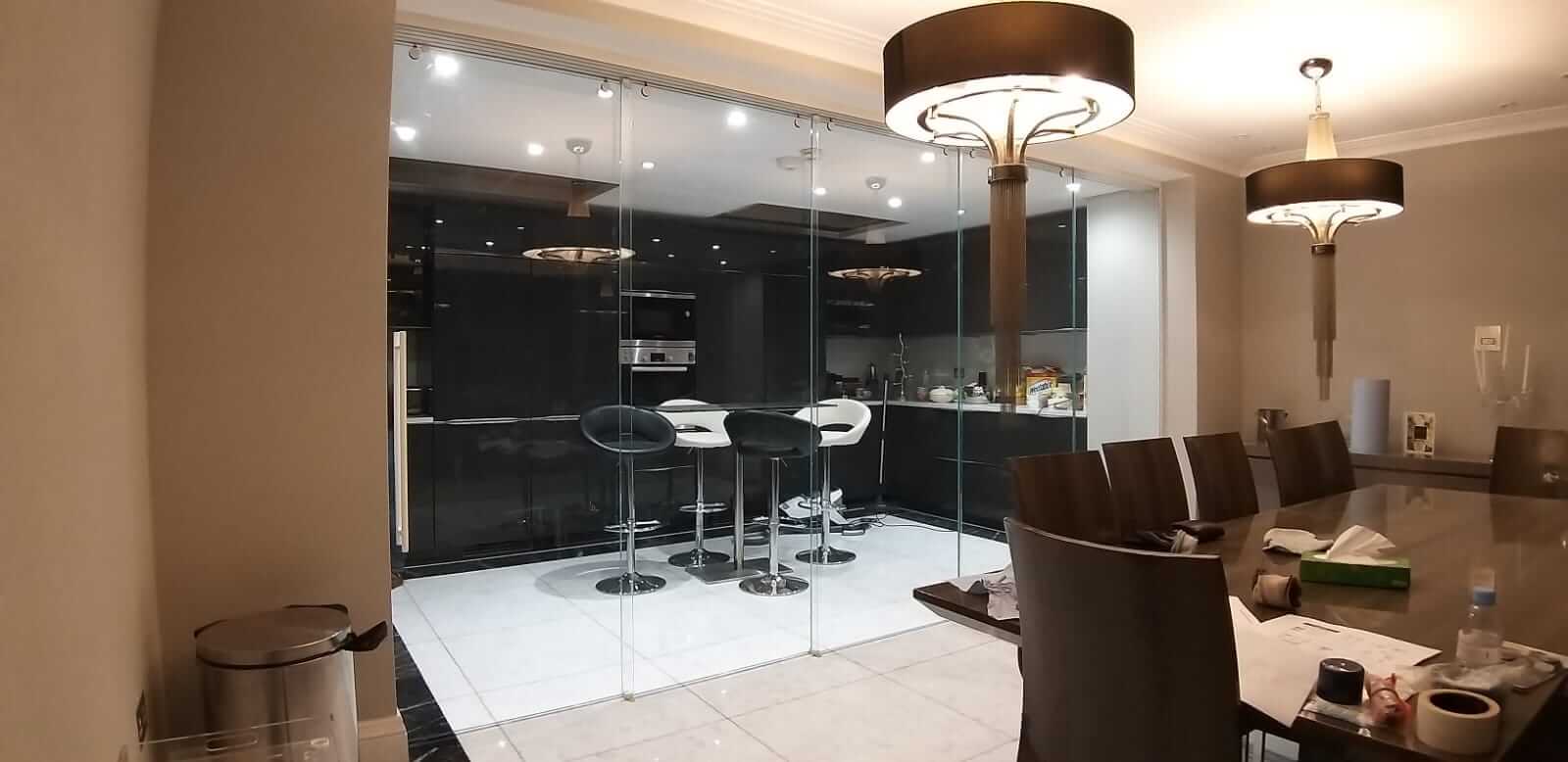
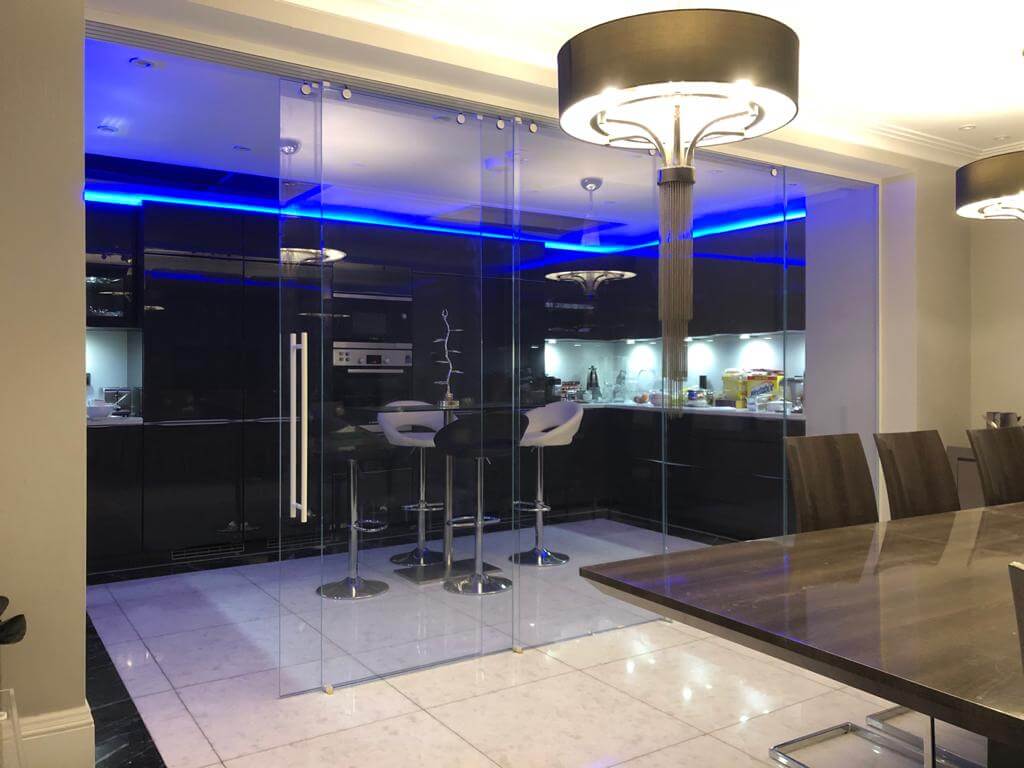
Our frameless glass partitions create bright, open interiors with minimal visible framework, making them one of the most popular choices for contemporary homes and offices. Toughened safety glass allows natural light to flow throughout the space while creating clear separation between rooms. They’re ideal for meeting rooms, executive offices, home workspaces and open-plan living areas where a clean, modern appearance is important.
Available with discreet channels and a range of door options, frameless systems can be customised to complement virtually any interior style.
Specification: Toughened safety glass available in 10mm or 12mm, with maximum panel heights of up to 3,000mm, subject to site conditions.
Framed Glass Partitions
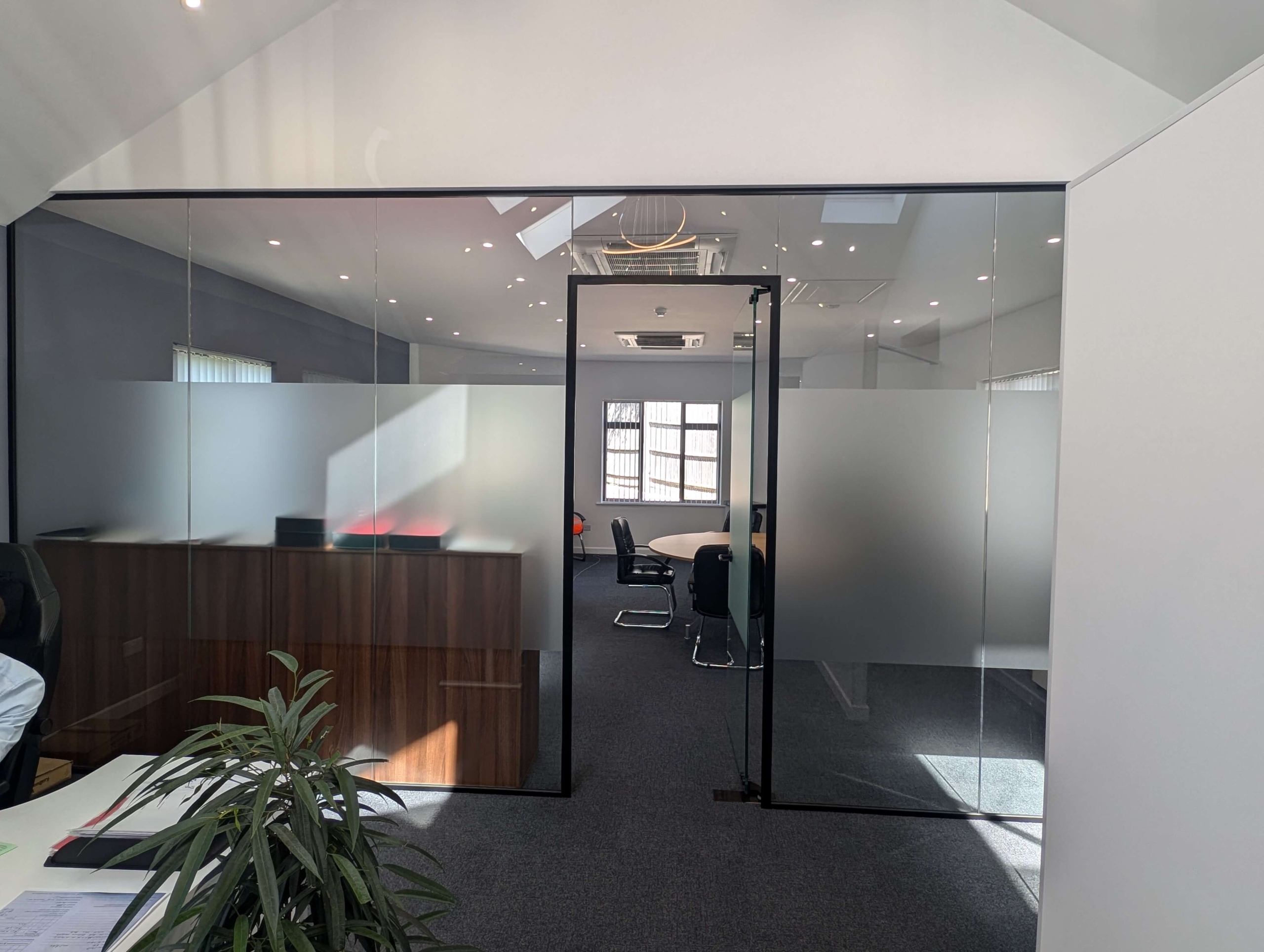
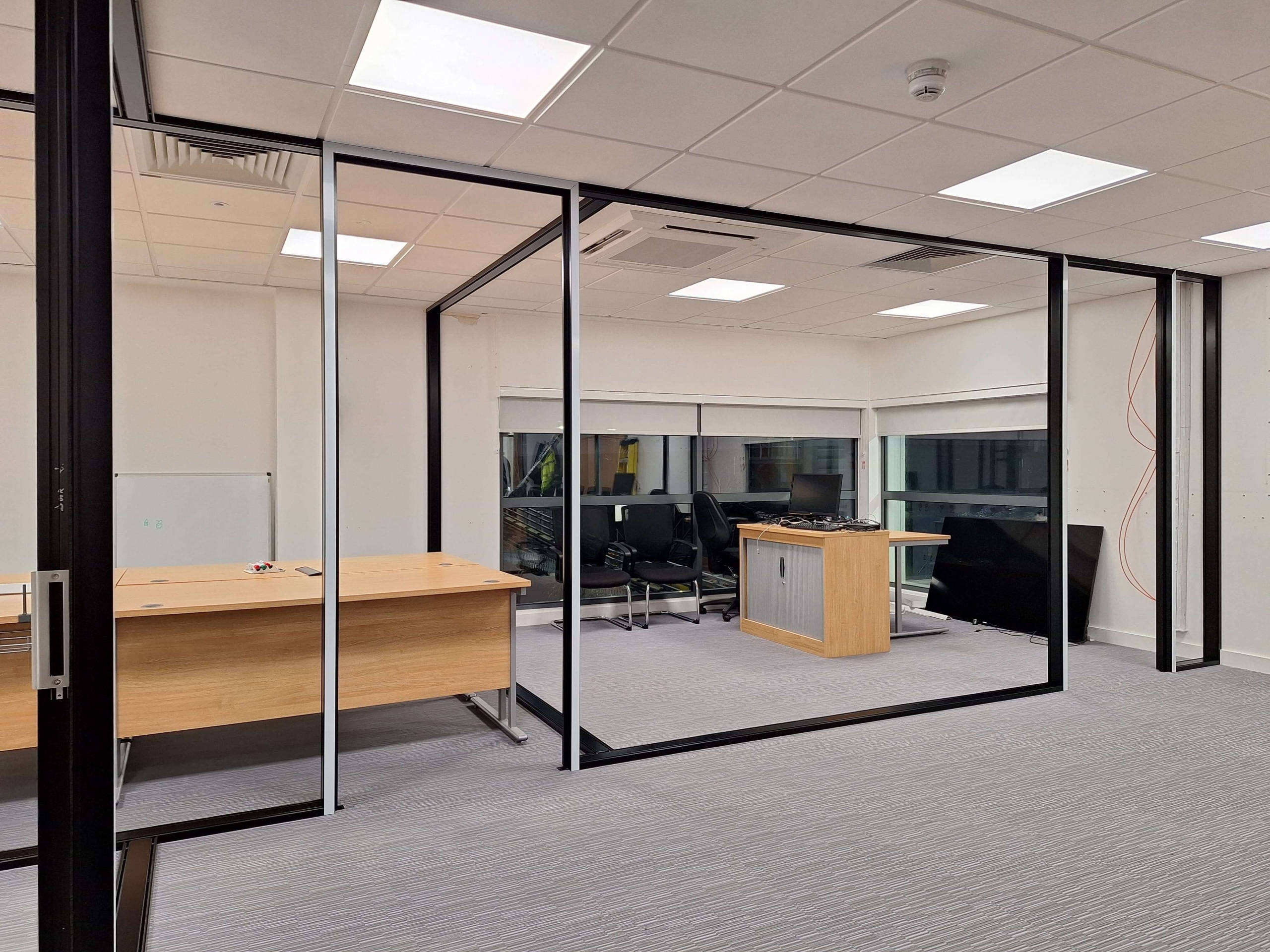
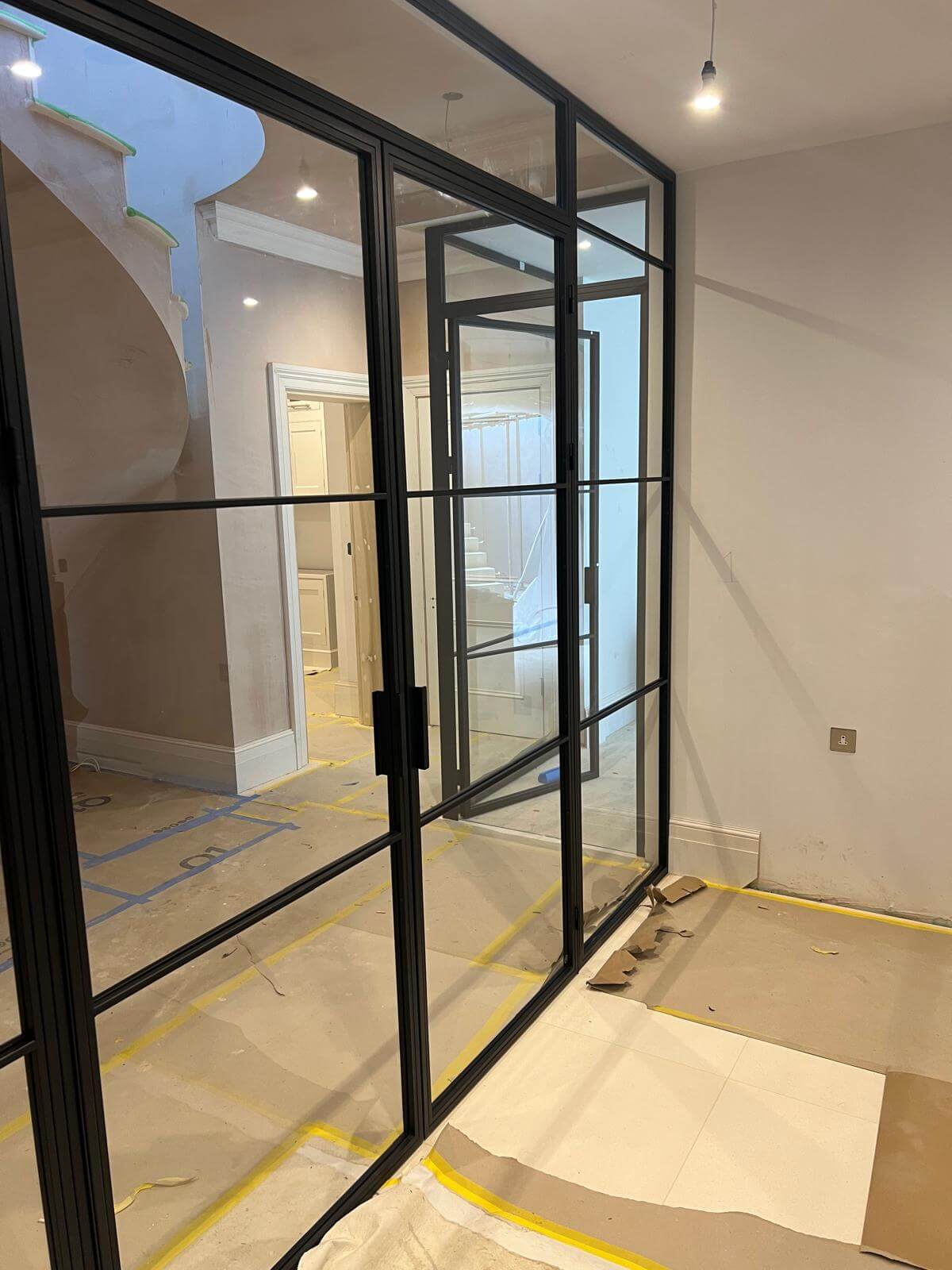
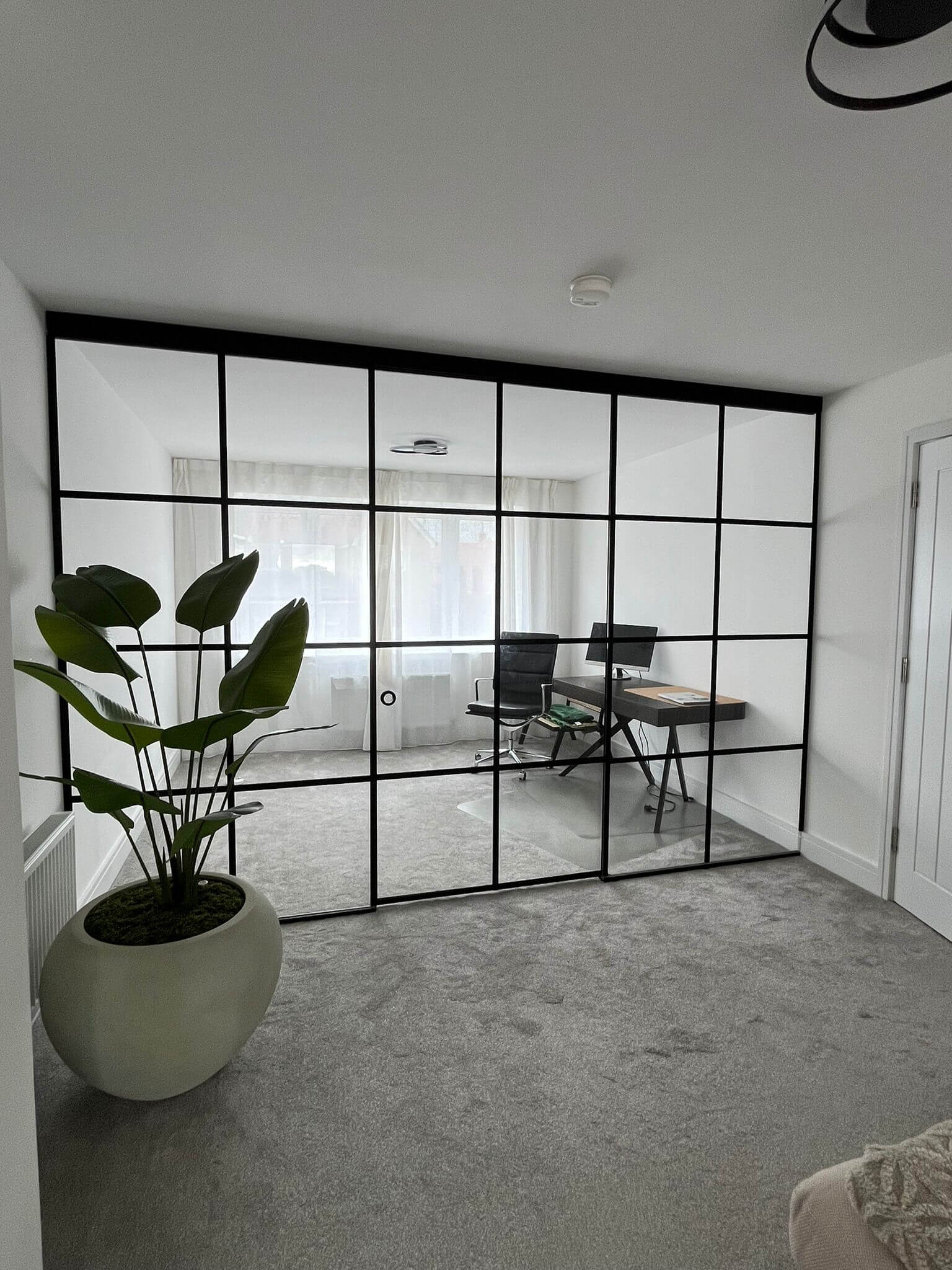
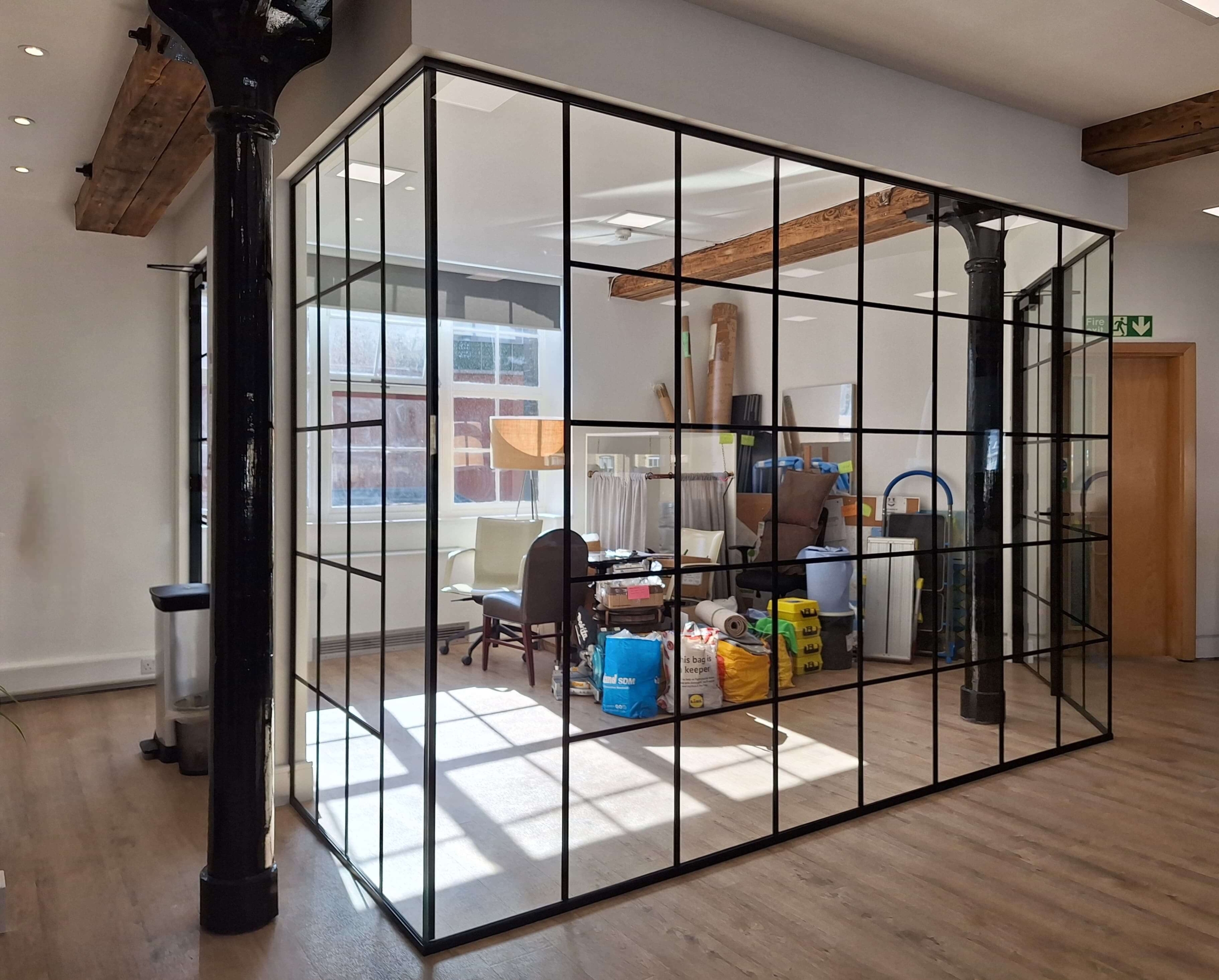
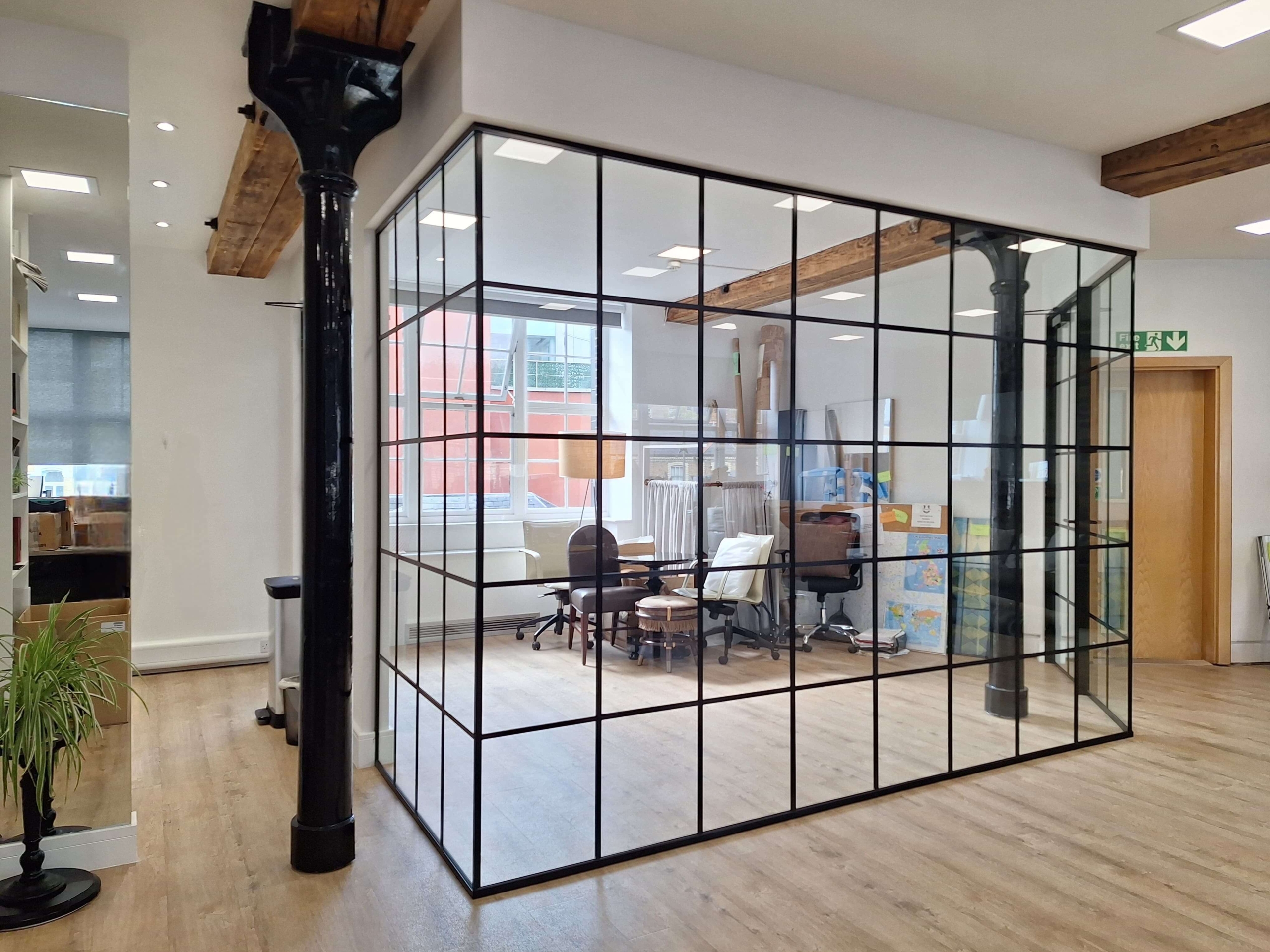
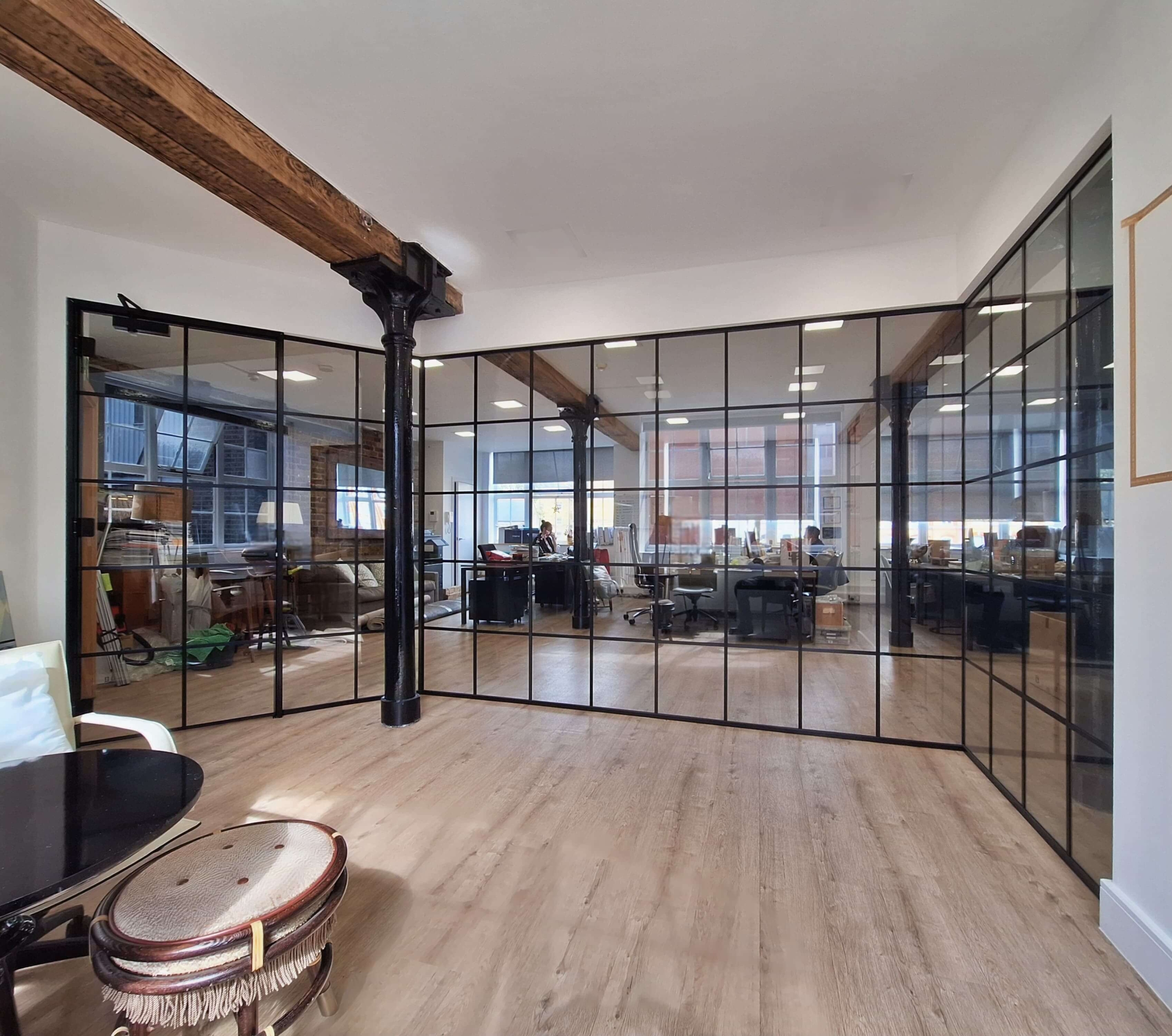
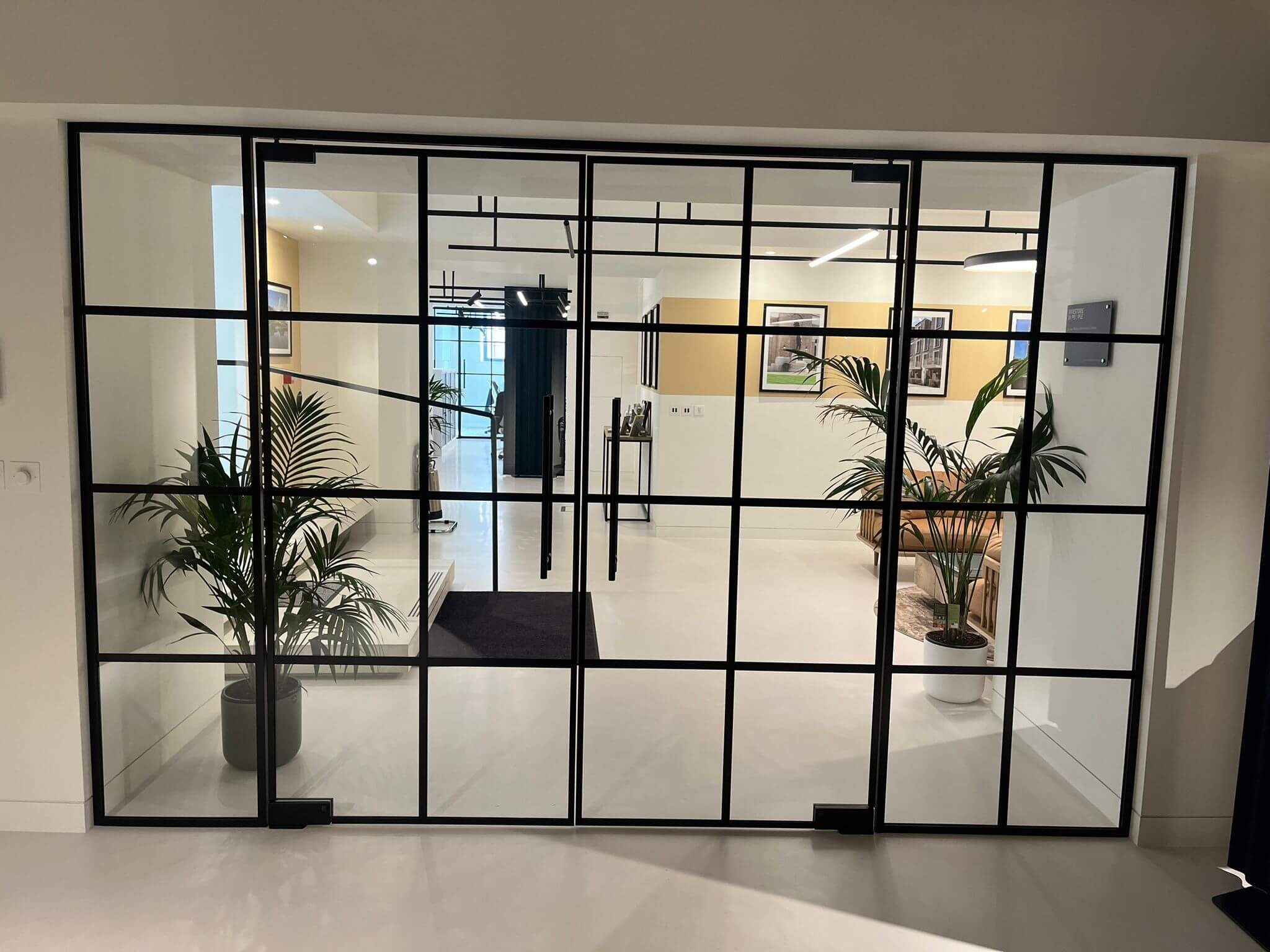
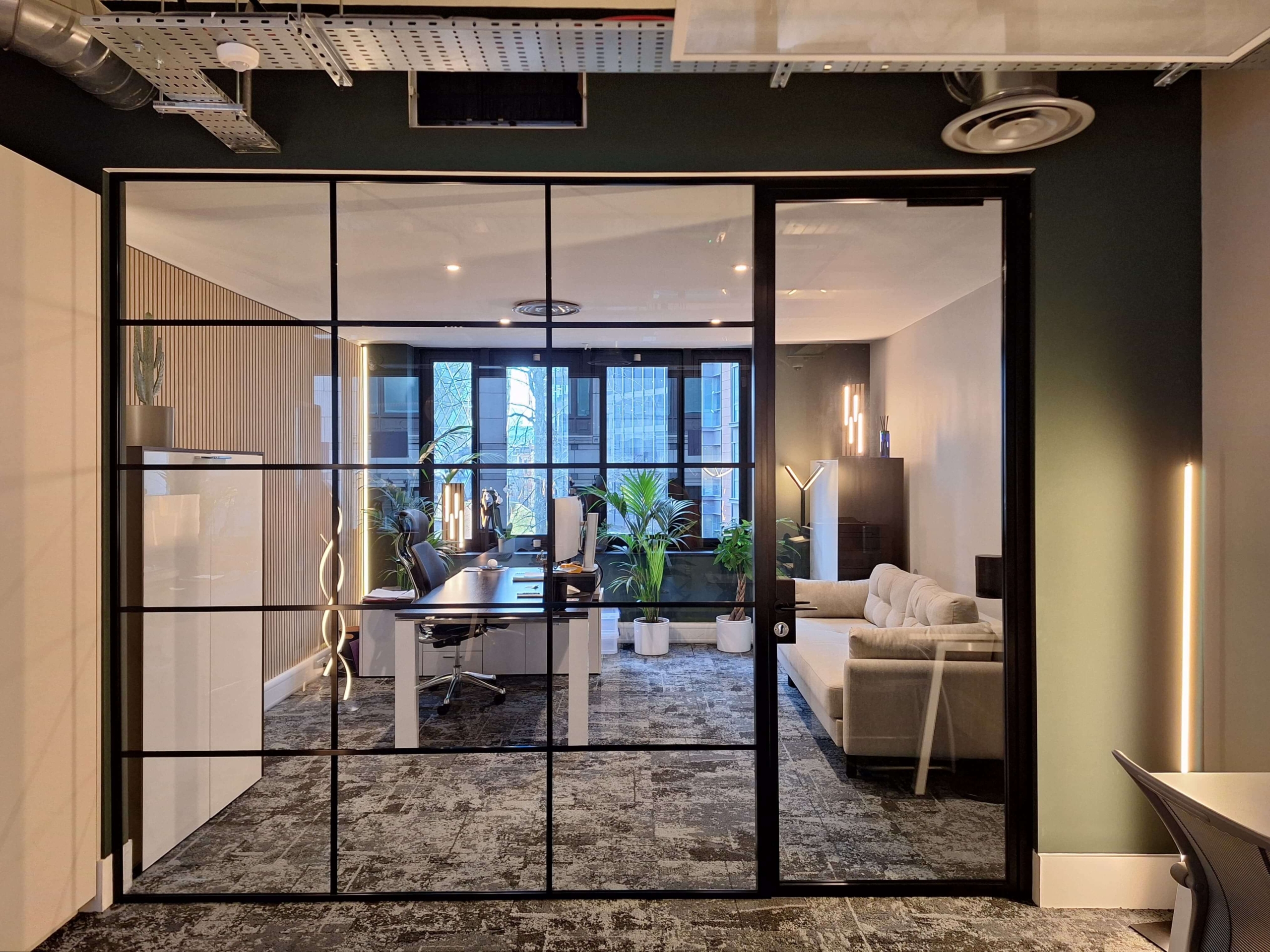
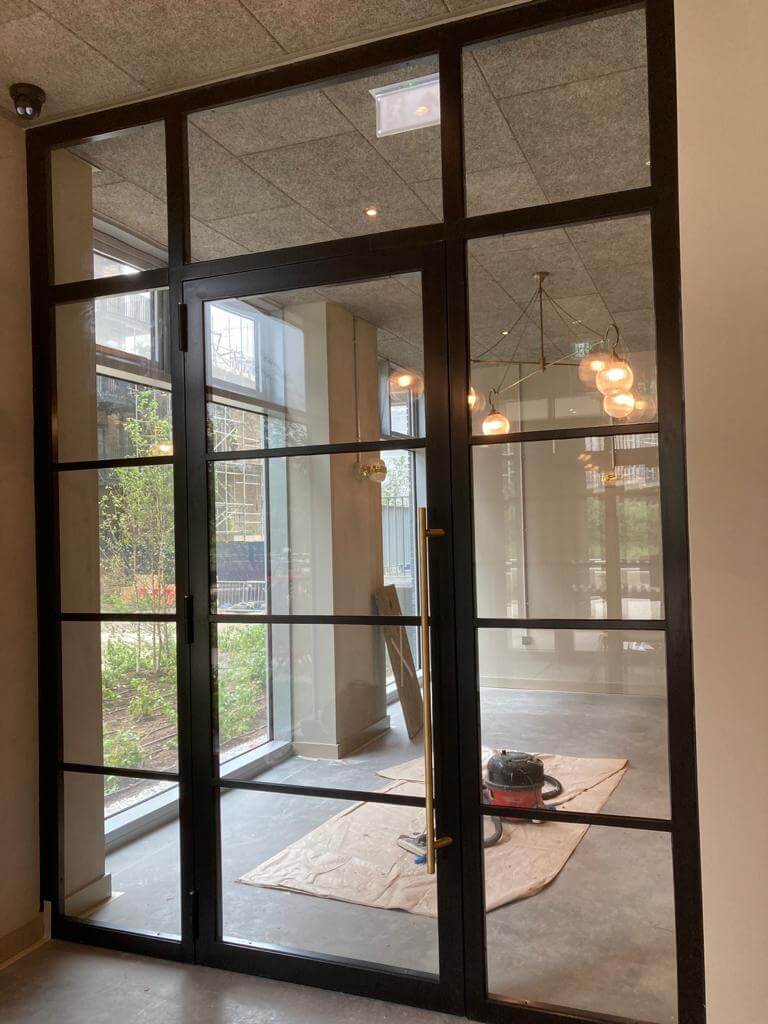
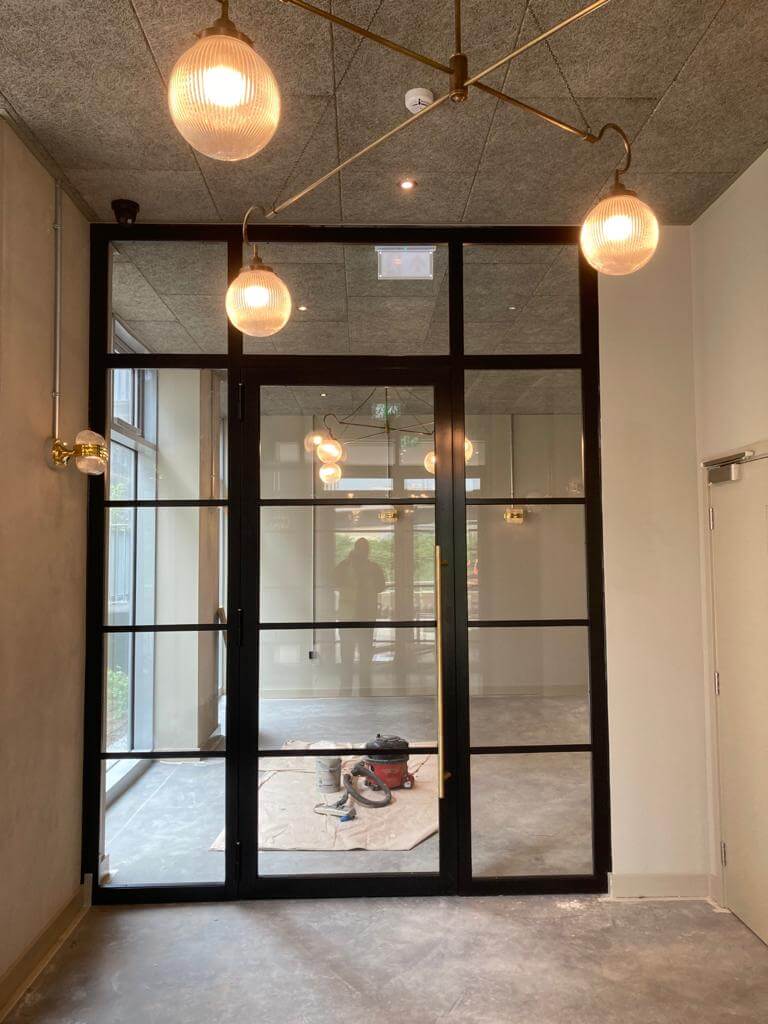
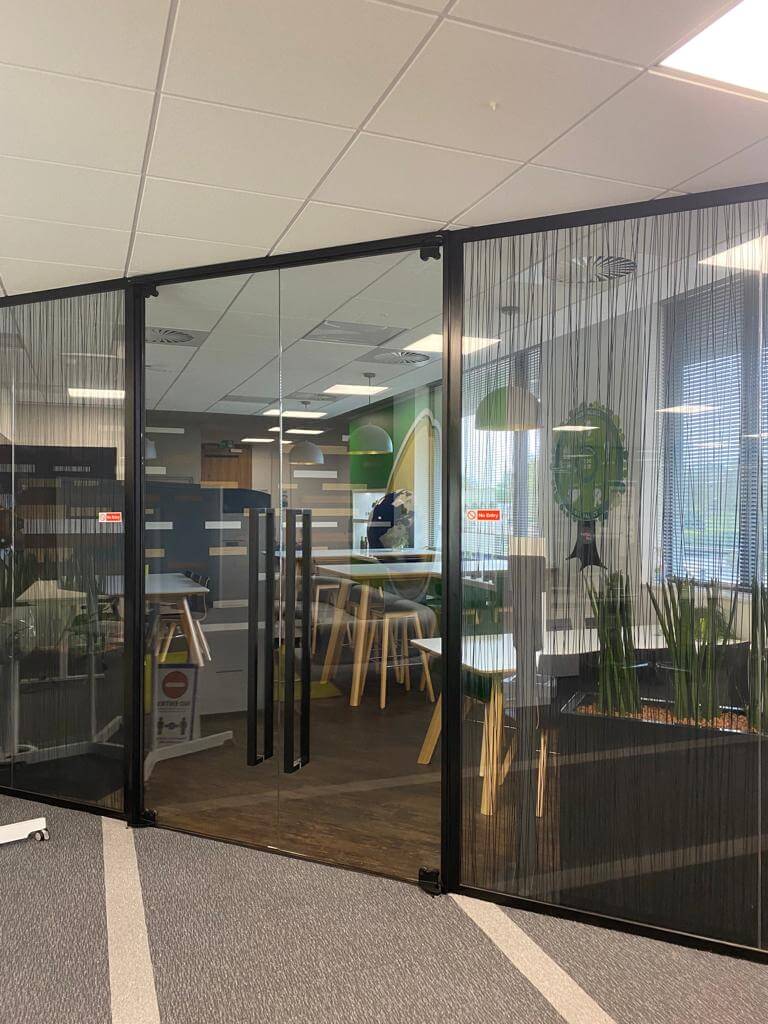
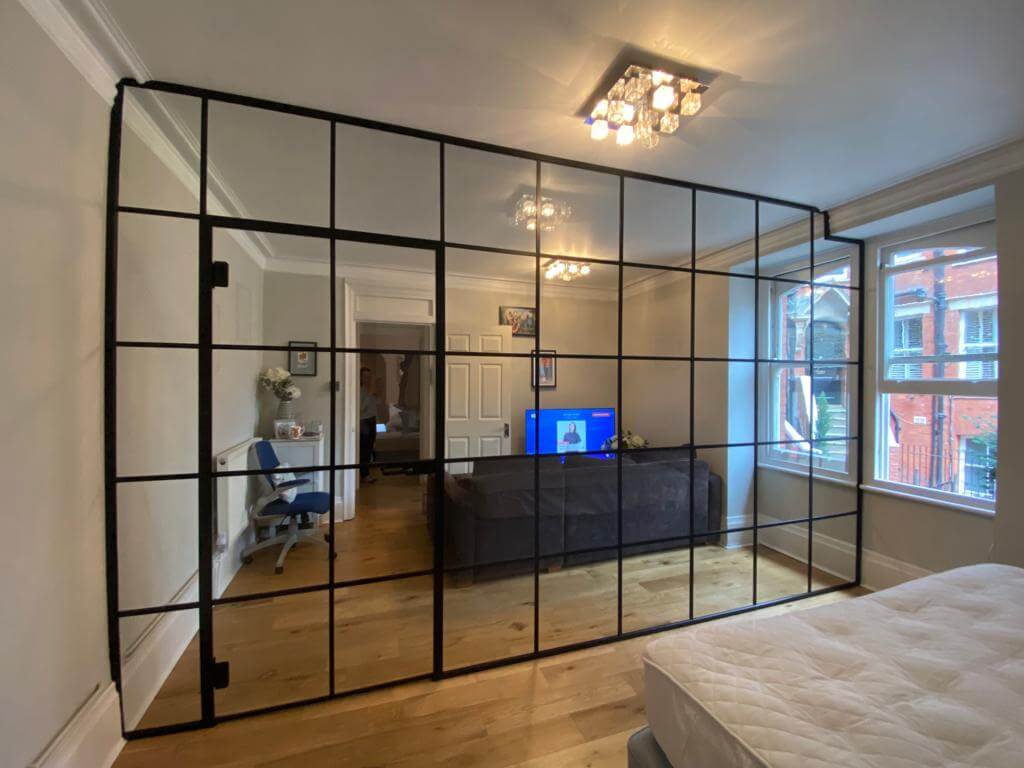
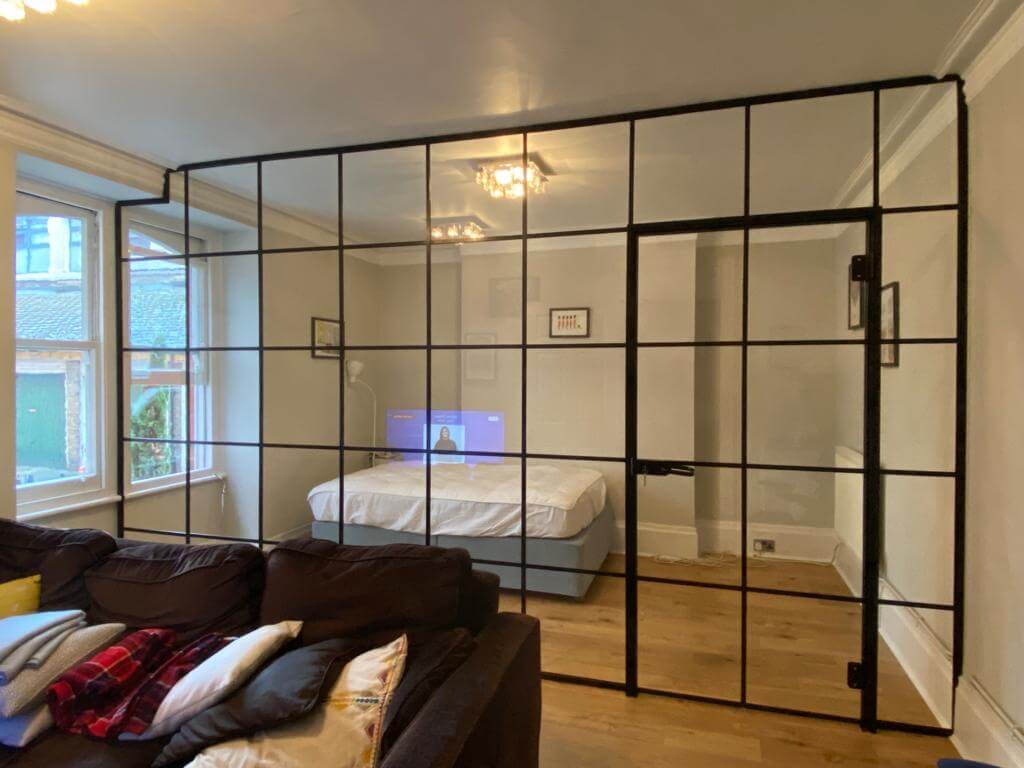
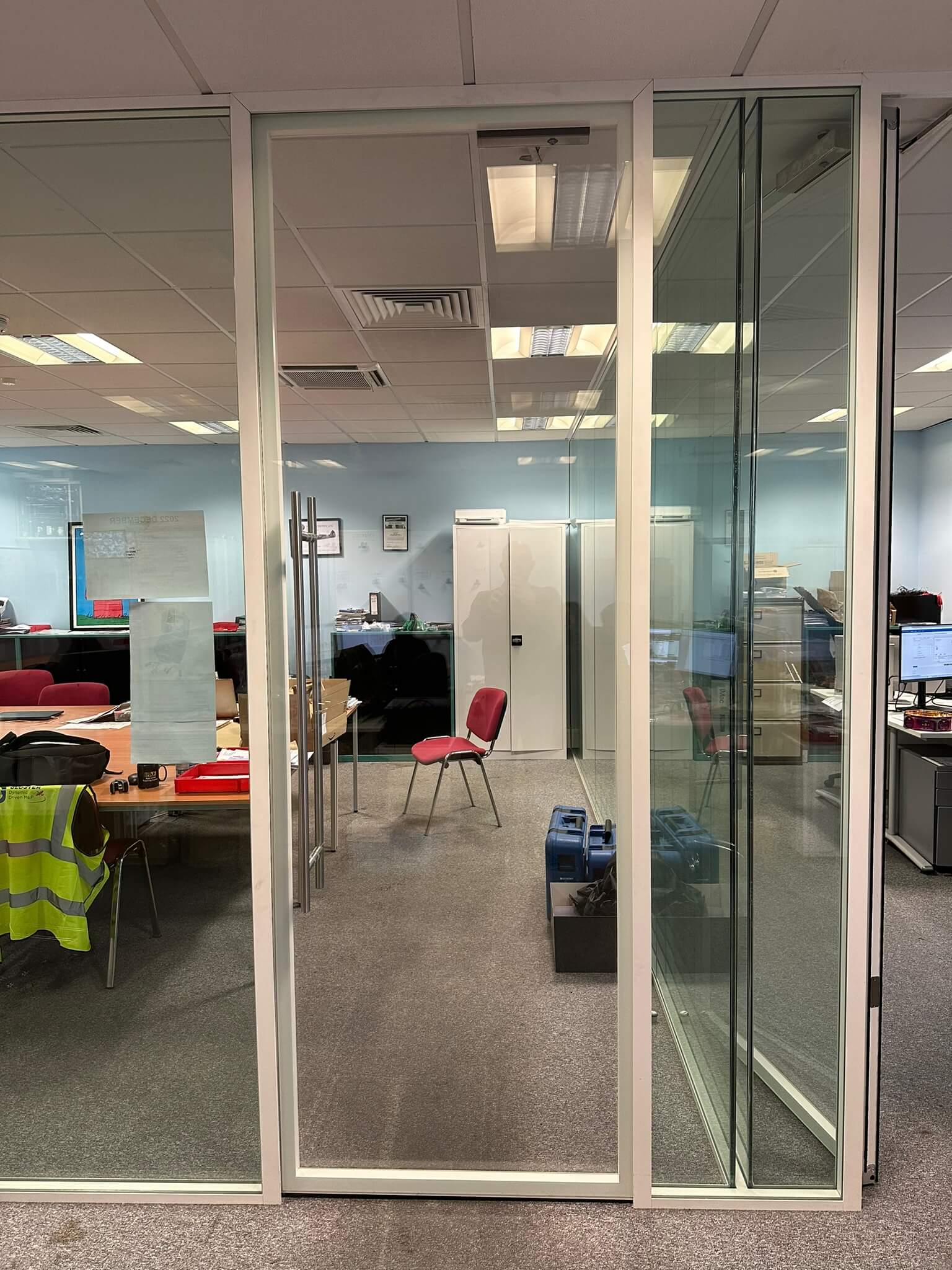
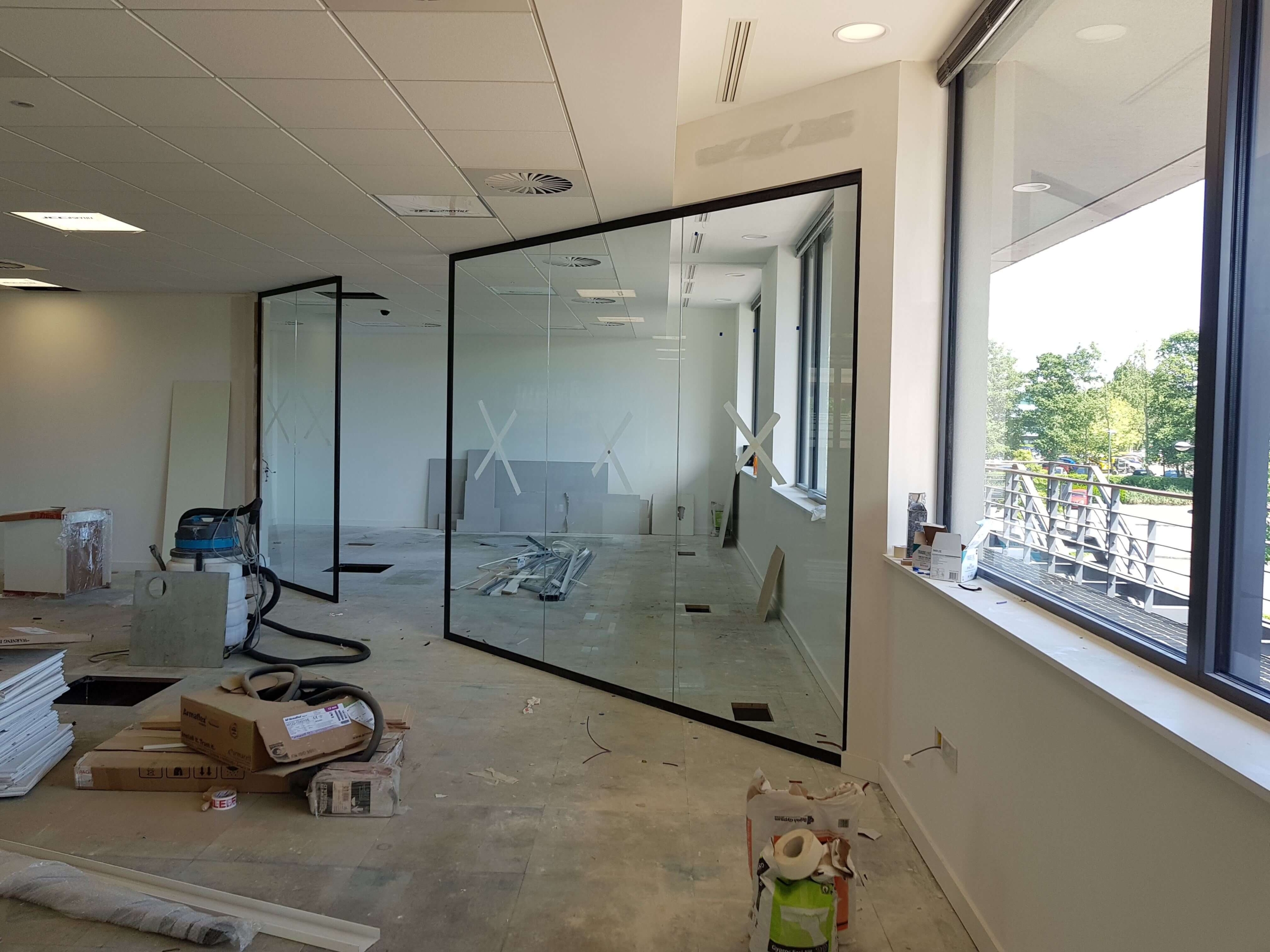
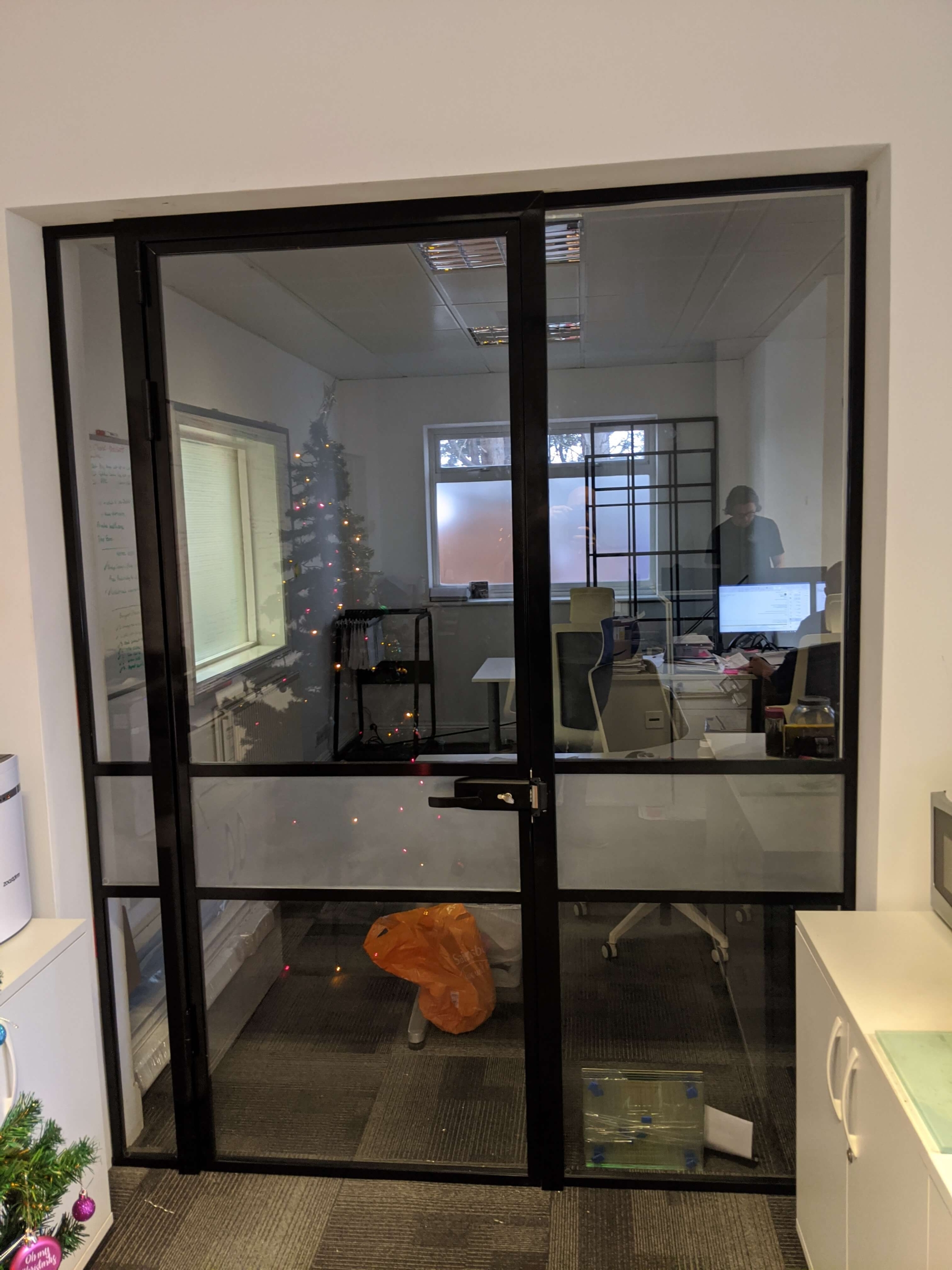
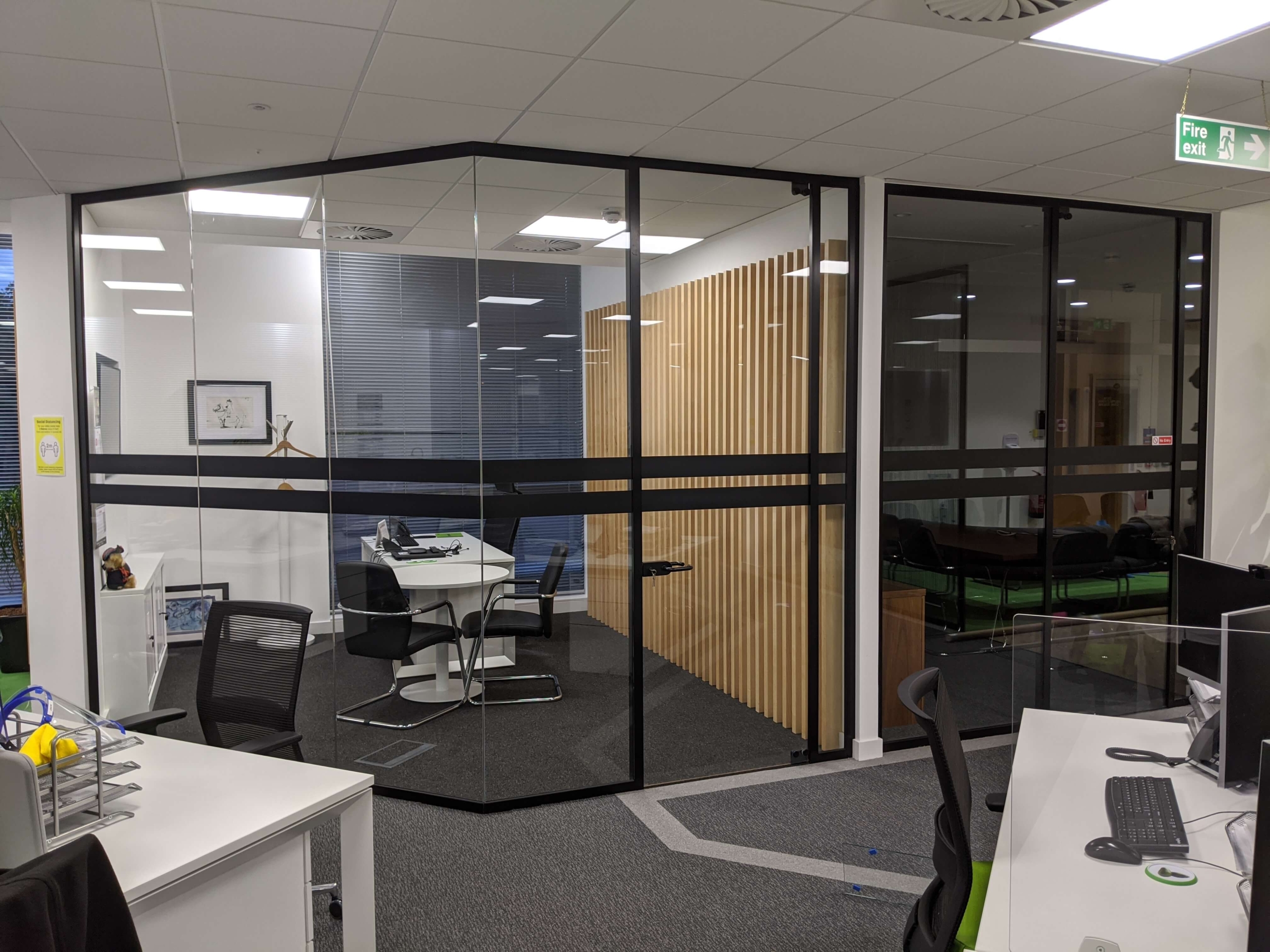
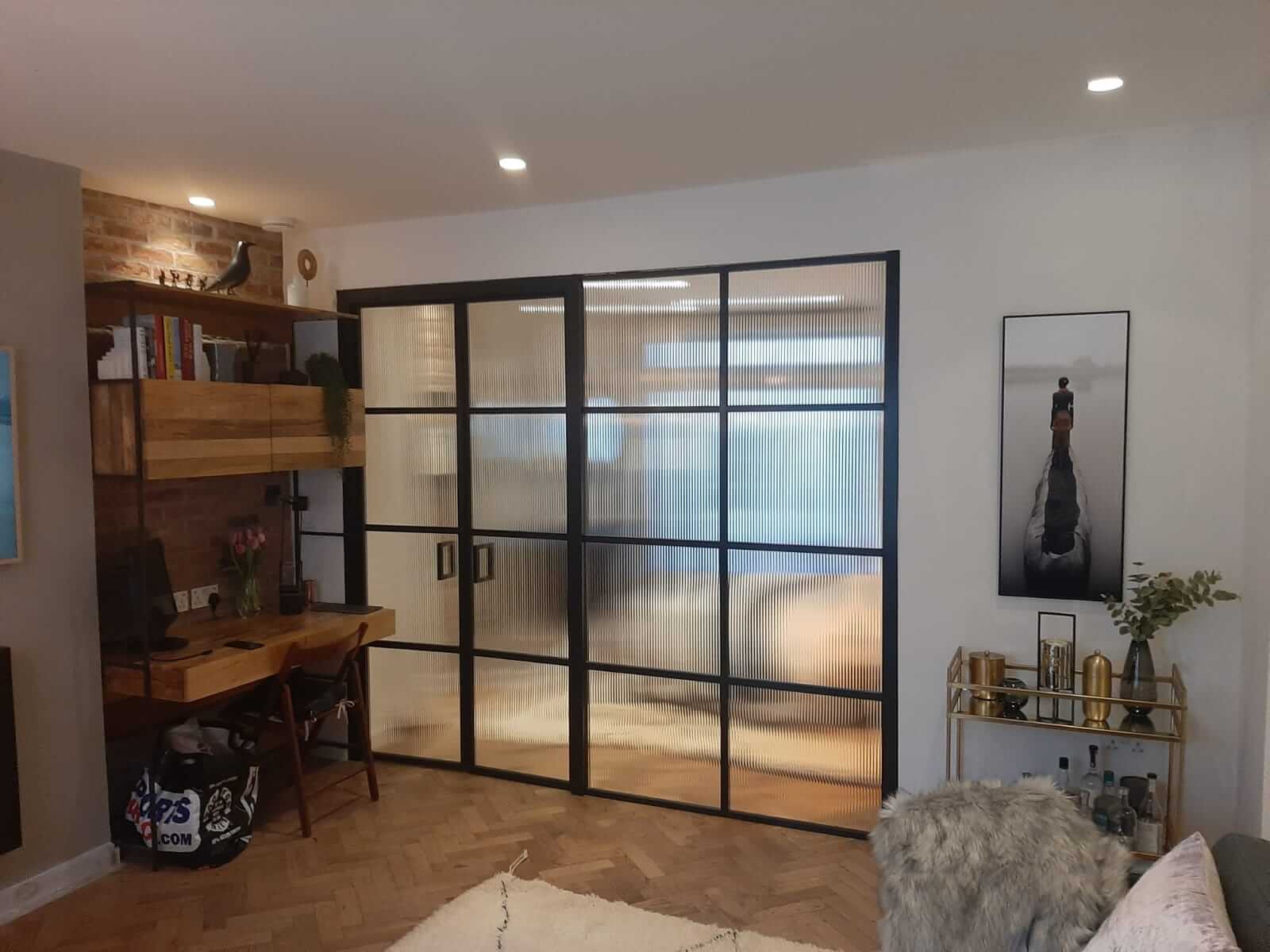
Where additional definition or a more industrial aesthetic is preferred, our framed glass partitions provide excellent durability while maintaining the openness associated with glazed interiors. Aluminium frames are available in a variety of finishes, allowing the system to coordinate with existing décor or corporate branding.
Choose from:
- Black powder-coated frames
- White finishes
- Anthracite grey
- Brushed aluminium
- Bespoke RAL colours
Framed systems are particularly popular in offices, hospitality venues and retail environments where a stronger architectural feature is required.
Specification: Aluminium-framed systems with 10mm or 12mm toughened safety glass and a wide choice of powder-coated finishes.
Sliding Glass Partitions & Glass Pocket Doors
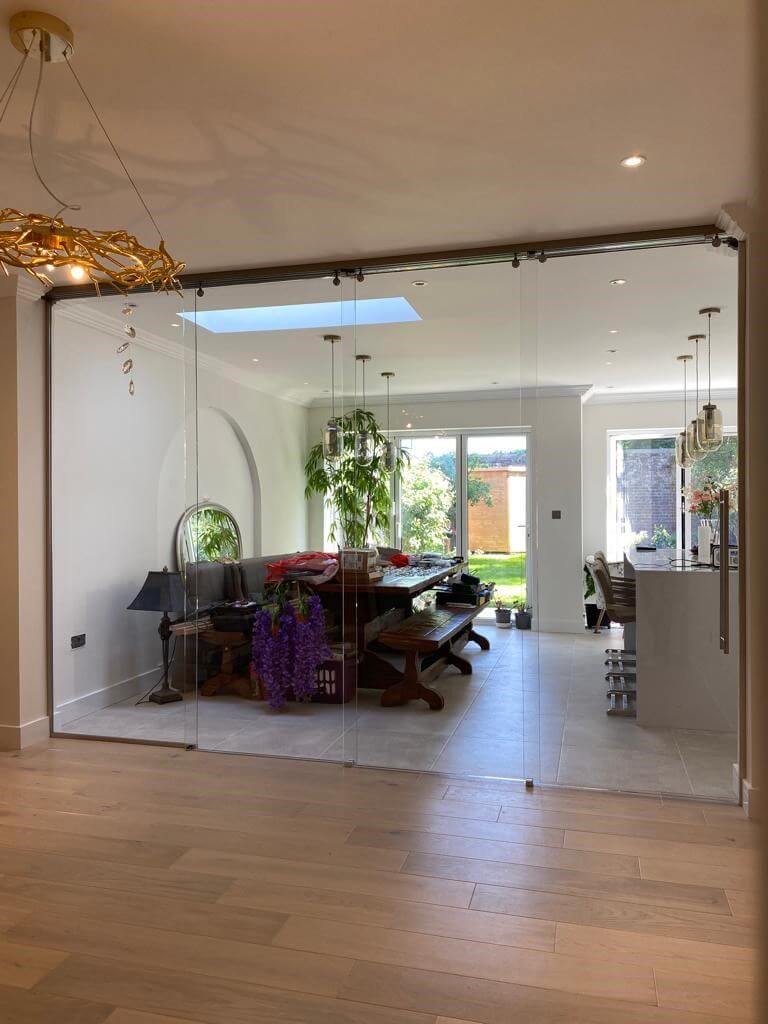
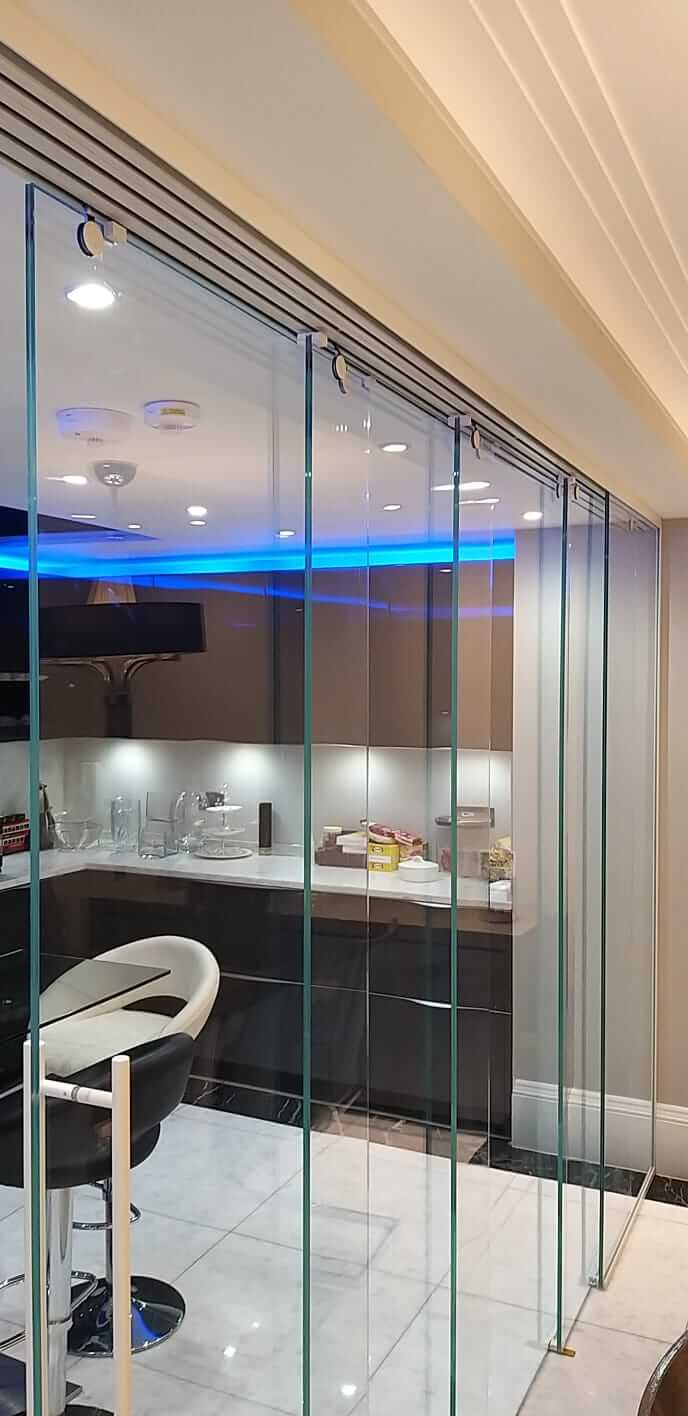
Sliding glass partitions provide flexible room division where space is limited or a hinged door isn’t practical. They’re commonly installed in home offices, meeting rooms, apartments, restaurants and multifunctional commercial spaces, allowing areas to be opened or closed as required.
Our sliding systems combine smooth operation with contemporary styling and can be specified with soft-close mechanisms, discreet tracks and matching glazed panels for a seamless appearance.
If you’re considering sliding solutions throughout your property, explore our range of internal glass sliding doors to see additional design options.
Specification: Sliding systems suitable for 10mm or 12mm toughened safety glass, with soft-close hardware available.
Acoustic Glass Partitions
For workplaces where privacy and concentration are important, acoustic glass partitions help reduce sound transfer while maintaining the openness and transparency of glazed interiors. They’re ideal for meeting rooms, executive offices, healthcare settings and educational environments where confidential conversations take place.
Depending on your acoustic requirements, we can recommend laminated or specialist acoustic glazing systems designed to improve sound insulation without compromising natural light.
Specification: Acoustic glazing options are available to improve sound reduction performance, subject to the selected glass specification and system design.
Fire-Rated Glass Partitions
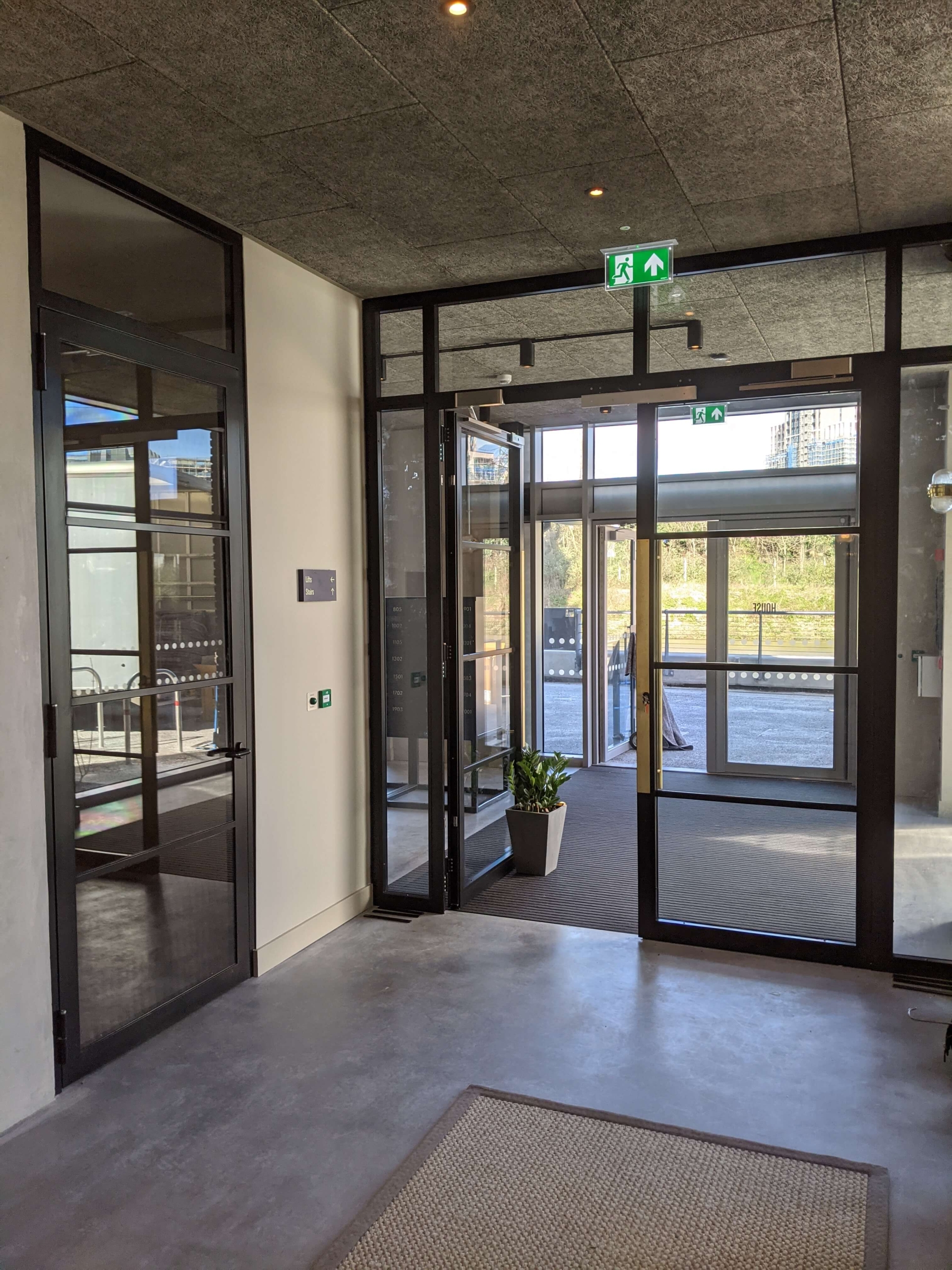
Where fire protection is required, our fire-rated glass partitions combine safety with contemporary design. Suitable for commercial buildings, apartment developments, educational facilities and healthcare environments, these systems help compartmentalise buildings while preserving visibility and daylight.
Fire-rated glazing is supplied in accordance with the required fire performance specification and can be incorporated into framed partition systems with compatible doors and hardware.
Specification: Fire-rated systems available in certified configurations to meet project-specific fire performance requirements and relevant Building Regulations.
Curved & Bespoke Glass Partitions
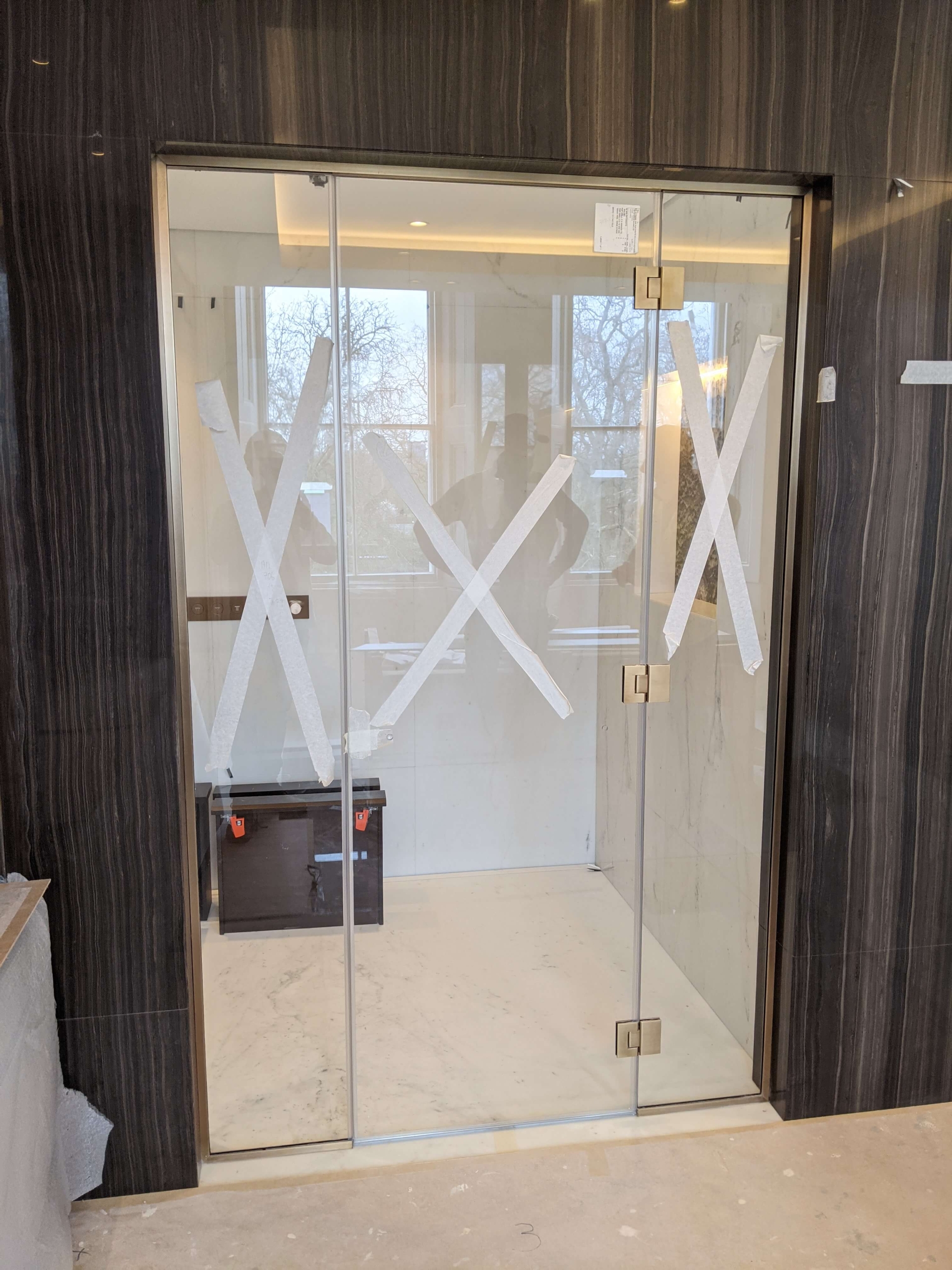
Some spaces require a completely bespoke solution. We design and install bespoke glass partitions for projects where standard systems aren’t suitable, including curved glazing, feature walls, unusual layouts and architect-designed interiors.
Working closely with homeowners, architects, designers and commercial clients, we manufacture partitions tailored to the exact dimensions, finish and performance requirements of your project.
As experienced structural glazing specialists, we also undertake more complex glazing projects requiring precision design and installation.
Specification: Bespoke glass manufactured to project-specific dimensions, layouts and finish requirements.
How Much Do Glass Partitions Cost?
The cost of glass partitions depends on the size of the project, the type of glazing, the framing system and the complexity of the installation. While every project is individually quoted, providing a pricing guide helps you budget from the outset and understand the factors that influence the final cost.
As a guide:
- Most domestic glass partition projects start from £450 per m² supplied and installed.
- Office glass partitions typically start from £350 per m² supplied and installed.
The final quotation will depend on your chosen specification, site conditions and any bespoke design requirements. A free site survey allows us to assess your space, discuss your objectives and provide an accurate, no-obligation quotation.
What Affects the Cost?
The type and thickness of glass have a significant impact on cost. Toughened safety glass is commonly used for internal partitions, while laminated, acoustic or fire-rated glass carries a higher price due to its specialist performance characteristics.
Frameless systems create a sleek, contemporary appearance, while framed systems offer additional design flexibility with a choice of finishes. The frame material and finish selected will influence the overall project cost.
Handles, hinges, sliding mechanisms, door closers and locking systems are available in a range of specifications and finishes. Premium architectural hardware can enhance both appearance and durability.
Properties with restricted access, upper-floor installations or limited working space may require additional labour or specialist lifting equipment, which can affect installation costs.
Larger commercial fit-outs or bespoke residential projects often require more installation time than straightforward partition systems. Complex layouts, curved glazing and multiple glazed rooms will naturally increase labour requirements.
Every quotation includes a detailed breakdown so you know exactly what’s included before work begins.
Our Glass Partition Installation Process
From your initial enquiry through to installation, we follow a clear, structured process to ensure every project is completed efficiently and to a high standard.
-
Free Site Survey
We visit your property to discuss your requirements, take accurate measurements and assess the installation environment. This allows us to recommend the most suitable partition system for your space.
-
Design & 3D Visual
Our team prepares a bespoke design, including a 3D visual where appropriate, helping you understand how the finished installation will look before manufacture begins.
-
Approval & Order
Once you’re happy with the design and quotation, we’ll confirm all specifications, finalise your order and schedule manufacturing.
-
Fabrication
Your bespoke glass partitions are manufactured to order using premium materials and precision engineering. Typical lead times are 3–5 weeks, depending on the complexity of the project.
-
Professional Installation
Our experienced installers complete most projects within 1–3 days, depending on the size and scope of the installation. We work efficiently, minimise disruption and ensure every partition is installed safely and accurately.
Recent Glass Partition Projects
Areas We Serve
GH Interior Glass designs, manufactures and installs glass partitions for residential and commercial clients across London and the South East. Whether you’re creating a home office, refurbishing a workplace or fitting out a retail or hospitality venue, our experienced team delivers bespoke glazing solutions tailored to your project, with a free site survey and professional installation from start to finish.
If you’re based in the capital, explore our glass partition installation in London services for bespoke solutions across residential and commercial properties. We also complete glass partitions in Kent for homeowners and businesses looking to maximise natural light and create flexible interiors.
Our team regularly delivers glass partitions across Surrey, supporting office refurbishments, home renovations and retail fit-outs with high-quality glazed partition systems. For clients in the East of the region, we also provide bespoke glass partitions in Essex, offering tailored designs, precision manufacturing and expert installation for projects of all sizes.
Why GH Interior Glass?
Choosing the right supplier is just as important as choosing the right glass partition system. At GH Interior Glass, we combine decades of experience with a practical approach, delivering bespoke glazing solutions for homes, offices, retail and hospitality spaces. From your initial consultation to the final installation, we’ll manage every stage of your project with precision and attention to detail.
Over 30 Years of Industry Experience
With more than three decades of experience, we've completed glass installation projects for homeowners, architects, interior designers, contractors and businesses across London and the South East. Our expertise enables us to recommend solutions that balance aesthetics, functionality and long-term performance.
In-House Design & Installation
Your project is managed by our experienced in-house team from consultation through to installation, ensuring clear communication, accurate measurements and quality workmanship throughout.
Fully Insured & Professionally Installed
Every installation is completed using quality materials and recognised industry methods. We work efficiently to minimise disruption while ensuring every partition is fitted safely and accurately.
Trusted by Homeowners & Businesses
Our reputation is built on reliable service, attention to detail and quality workmanship. From single-room residential projects to large commercial fit-outs, we deliver bespoke glass partition solutions tailored to every client's requirements.
Recent Glass Partition Projects

The Westin City London Hotel
GH Interior Glass was appointed to deliver a bespoke glazing and steelwork package for this hotel development, providing innovative design solutions throughout the project. Read More

Slough Commercial Office
GH Interiors provided a complete survey, design, drawing, supply, and installation service. The project was completed over the course of four weeks. Read More

Fryerning
The Fryerning Balustrading project was completed in Essex. GH Interiors provided survey, design, drawing, supply and installation services. Read More
Frequently Asked Questions
How much do glass partitions cost?
Most domestic glass partition installations start from approximately £450 per m² supplied and installed, while office projects typically start from £350 per m². The final cost depends on the glass specification, framing system, hardware, site access and installation requirements.
How long does it take to install a glass partition?
Following your free site survey and design approval, fabrication typically takes 3–5 weeks. Most installations are then completed within 1–3 days, depending on the size and complexity of the project.
Can glass partitions be soundproofed?
Yes. Acoustic glass partitions are available for offices, meeting rooms and other spaces where reducing sound transmission is important. We’ll recommend the most suitable glazing specification based on your privacy requirements.
Do I need planning permission for an interior glass partition?
In most cases, internal glass partitions do not require planning permission. However, if your property is listed or forms part of a protected building, additional permissions may be required. We’ll advise you during your consultation if this applies.
Are glass partitions fire-rated?
Yes. We supply and install fire-rated glass partition systems designed to meet specific fire performance requirements where required by the building design and relevant regulations.
Can I have a glass partition with a door?
Absolutely. We offer hinged, pivot and sliding door options that integrate seamlessly with both framed and frameless partition systems.
What thickness of glass is used in partitions?
Most internal partitions use 10mm or 12mm toughened safety glass, although laminated, acoustic and fire-rated glass specifications are also available depending on the project requirements.
Do you install glass partitions in homes as well as offices?
Yes. We regularly install bespoke glass partitions for homes, offices, retail premises, hospitality venues and commercial developments across London and the surrounding counties.
Can glass partitions be removed later?
In many cases, yes. Most partition systems can be removed or reconfigured if your requirements change in the future, although this will depend on the original design and installation.
What areas do you serve?
We install glass partitions throughout London, Kent, Surrey and Essex, providing a complete design, manufacture and installation service for residential and commercial clients.